Lifetime Citizen Portal Access — AI Briefings, Alerts & Unlimited Follows
Senate panel presses nominee on stalled electronic health record program and accountability
Loading...
Summary
Senators told nominee Paul Lawrence the VA's electronic health record modernization program has underperformed and asked for concrete plans to hold vendors and managers accountable. Lawrence said he would prioritize accountability, measurement and faster decision‑making if confirmed.
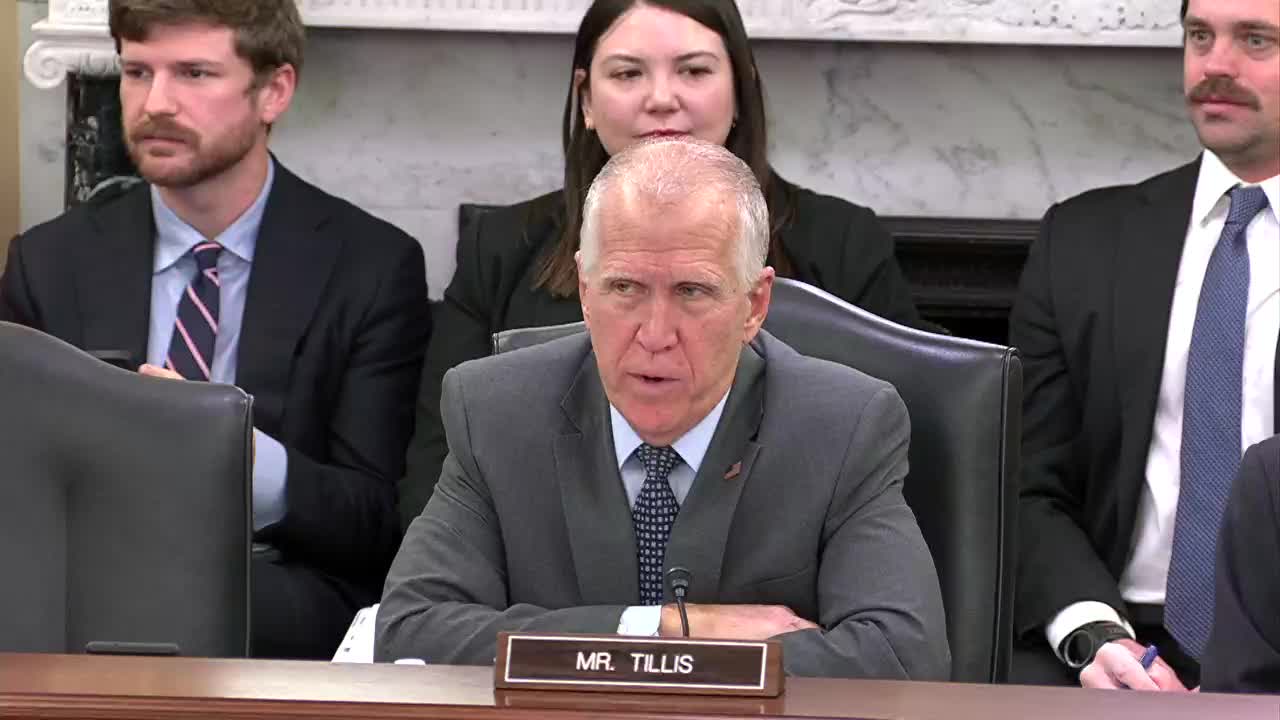
At a Senate Committee on Veterans' Affairs hearing, senators pressed Paul R. Lawrence about the VA's electronic health record modernization (EHRM) program, asking what he would do differently to finish a rollout that lawmakers described as costly and disruptive.
Senators told the committee the program has stretched over many years, carries a multibillion‑dollar price tag and has at times endangered patient care during earlier deployments. "It costs the VA about three times as much to deliver a dollar of care than comparable systems," one senator said, citing longstanding concerns about cost and efficiency. Members asked Lawrence for a concise, actionable review of what to stop, start and continue in the program.
Lawrence, who previously managed large technology components while serving as undersecretary for benefits, said he would emphasize accountability, measurement and urgency. "I would probably foot‑stomp urgency," he told the committee, adding that implementation needs stronger oversight and clearer roles for contractors and VA leaders. He singled out three themes from his prior experience: accountability, clear contracting roles and better oversight by complementary contractors to monitor performance.
Why it matters: The EHR system is intended to enable seamless transfer of medical records between the Defense Department and VA and to modernize care delivery. Senators warned that past deployments were "a complete disaster" in some locations and that additional pre‑deployment work should not proceed without a plan to fix known problems.
Committee requests: Several senators asked Lawrence to appear again, after a short period if he is confirmed, with a diagnostic report describing what has gone wrong and proposed corrective actions. Lawrence declined to commit to an exact 90‑day deadline but said he supported a review led by the secretary that would convene all stakeholders and chart an implementation plan with enforceable accountability measures.
Points of contention: Lawmakers raised several recurring issues they want examined: whether the program was excessively customized to local practices rather than standardizing VHA operations in advance; whether the cost estimates and anticipated benefits are being clearly communicated to Congress; and whether training and change management have been sufficient to avoid harms to patient care.
Next steps: The nominee committed to studying the deployment history and to working with the secretary to convene a cross‑stakeholder team to assess vendor performance, standardization practices and the value proposition of the current approach.