Lifetime Citizen Portal Access — AI Briefings, Alerts & Unlimited Follows
Lawmakers, VSOs warn VA workforce cuts and contract terminations risk veteran services
Loading...
Summary
A joint House and Senate Veterans' Affairs hearing on veteran service priorities turned into an urgent inquiry about personnel separations and contract cancellations at the Department of Veterans Affairs, with lawmakers and veterans service organizations warning the changes could disrupt care and benefits delivery.
A joint House and Senate Veterans' Affairs hearing on veteran service priorities turned into an urgent inquiry about personnel separations and contract cancellations at the Department of Veterans Affairs, with lawmakers and veterans service organizations warning the changes could disrupt care and benefits delivery.
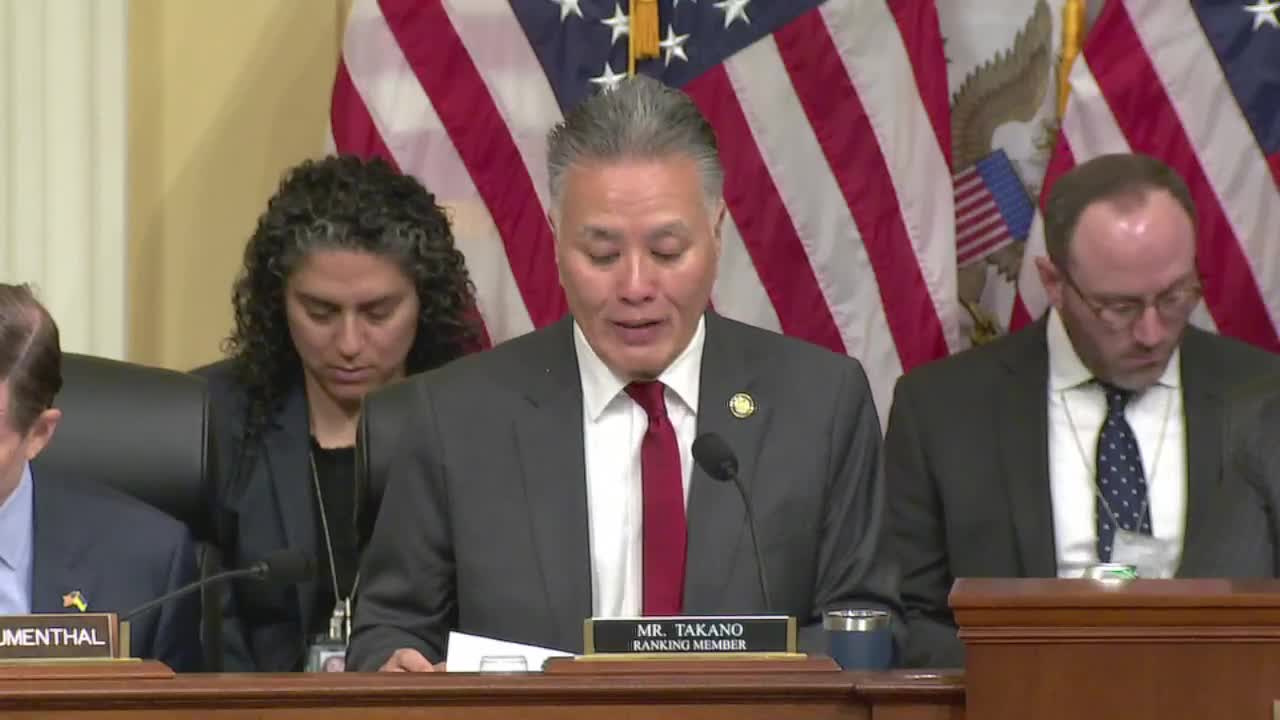
The hearing opened with lawmakers and VSO leaders describing recent personnel actions. "We learned on Monday that VA indiscriminately fired an additional 1,400 employees," Rep. Mark Takano, ranking member of the House Veterans' Affairs Committee, told the panel. Sen. Richard Blumenthal said similar workforce reductions and contract terminations were already producing localized effects: "They are having a real impact in Connecticut, where veterans are coming to me," he said.
Why it matters: witnesses said the workforce and contracts support claims processing, crisis lines, prosthetics and other direct care functions that veterans rely on. Several members cited specific recent events: public reporting and member statements referenced roughly 2,400 separations occurring over recent weeks and news that the VA had announced termination of a set of contracts described in public statements as covering $2 billion in work. Lawmakers pressed for lists, impact assessments, and assurances that mission‑critical roles would be retained.
The American Legion, which testified at the hearing, said it had met with VA career officials who described the administration’s exemption policy as "liberal" and told the Legion that those officials did not anticipate harms to direct health care or benefits operations. "They did not express any concern that they would," Cole Lyle, director of Veterans Affairs & Rehabilitation for the American Legion, said of VA career officials' assessments. The American Legion said it would continue monitoring the situation and raise specific examples with Congress and VA.
Still, multiple legislators said VA officials’ public and private explanations did not resolve constituent reports of immediate harm. Members and witnesses described cases they said needed investigation, including temporary terminations and rapid rehiring of staff who worked the Veterans Crisis Line and claims processor positions with long institutional knowledge. Senator Blumenthal asked that a spreadsheet of contract terminations be provided to the committees and entered into the record; he said some of the contracts identified provided direct services such as cancer care and facility decontamination.
VA leadership and the department’s political appointees were not part of this panel; committee leaders repeatedly asked Secretary Doug Collins and VA officials for more complete documentation and for timely briefings. Chairman Mike Bost said he would take members’ concerns "under advisement" and urged VSOs to bring concrete cases to the committee. Ranking members and several senators called for formal oversight hearings specifically focused on the workforce and contract actions.
The hearing ended with lawmakers directing VSOs and VA to continue sharing evidence of impacts so the committees can determine whether further congressional action or oversight is needed.
Ending: Committee members said they will continue follow‑up, ask for lists and written briefings from VA, and monitor reports from VSOs and local facilities to determine whether additional hearings or legislative responses are required.