Lifetime Citizen Portal Access — AI Briefings, Alerts & Unlimited Follows
Senators Press Dan Bishop on OMB Role in Funding Freezes, Oversight and Reforms
Loading...
Summary
During his nominee hearing for deputy director of the Office of Management and Budget, Rep. Dan Bishop faced sharp questioning about funding freezes, the Impoundment Control Act, transparency on federal grants and reporting, and how OMB would implement presidential priorities and laws such as the Hyde and Weldon provisions.
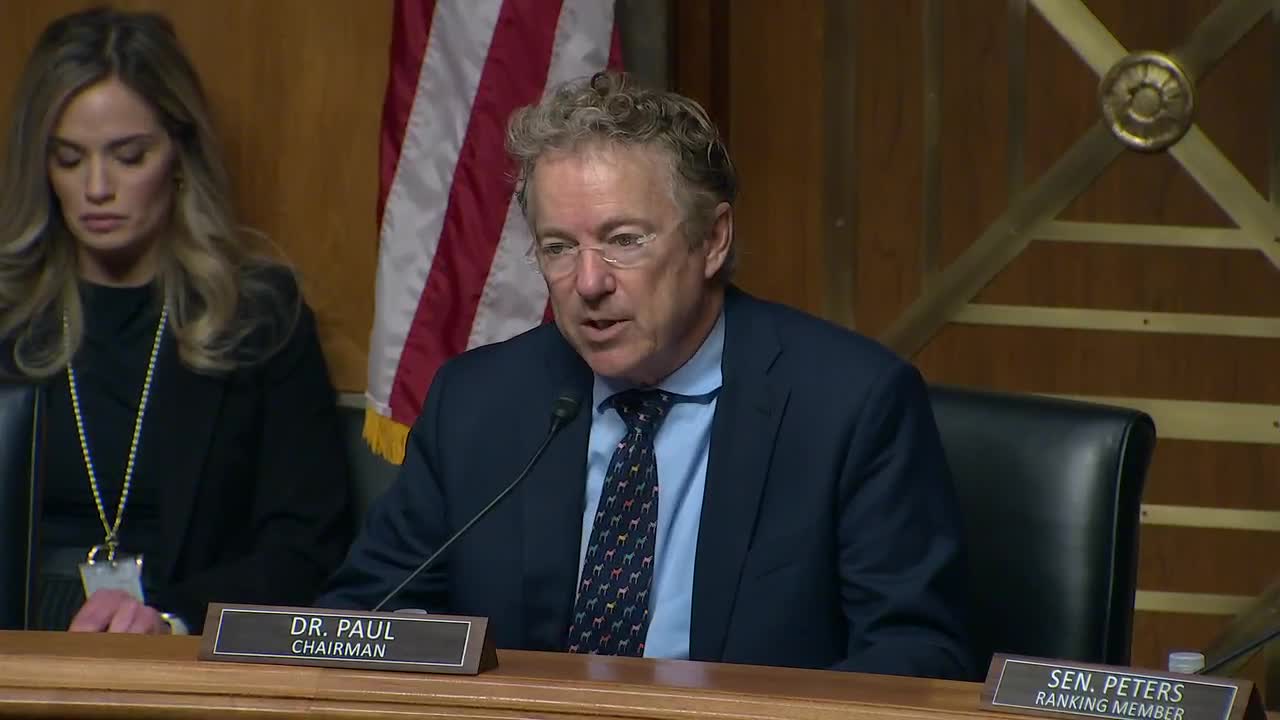
Dan Bishop, President Trump’s nominee to be deputy director of the Office of Management and Budget, told the Senate Homeland Security and Governmental Affairs Committee that, if confirmed, he would implement the president’s budget priorities while working with OMB Director Russ Vought and career staff to address government inefficiencies.
The hearing featured sustained questioning about recent actions by the White House and OMB, including temporary funding freezes, the administration’s authority to pause or redirect appropriated funds, reporting of federal spending on USAspending.gov, and compliance with longstanding statutory riders such as the Hyde and Weldon provisions. Senators from both parties pressed Bishop on whether he would follow the law, provide timely responses to congressional oversight requests, and ensure that OMB would enforce reporting and transparency requirements.
Why it matters: OMB sits at the center of federal budget execution and regulatory review. Senators pressed Bishop to clarify whether the office would comply with court orders and congressional oversight, how it would handle requests for documents and data, and whether it would support agency reporting that enables public scrutiny of federal spending.
Discussion highlights - Funding freezes and impoundment: Senator Peters asked whether Bishop would commit to ensuring that OMB promptly responds to congressional oversight requests and whether he would support providing requested information within two weeks. Bishop repeatedly said he would follow OMB processes and the advice of counsel, and that he would work to provide information in an expedited manner where possible. The Impoundment Control Act (and related debates over executive authority to pause spending) was referenced repeatedly by senators during questioning.
- Transparency and USAspending reporting: Senator Ernst and others pushed Bishop to require agencies to report expenditures fully and accurately on public platforms such as USAspending.gov. Bishop said he had learned about gaps in reporting during his vetting and would pay close attention to those issues if confirmed.
- Federal workforce and layoffs: Several senators raised concerns about recent administration decisions to remove civil service employees and whether those actions were conducted with proper analysis of mission impacts. Bishop said he did not believe the administration was proceeding “indiscriminately” but acknowledged he had not personally reviewed all personnel decisions and would follow OMB’s deliberative processes.
- Title X, Hyde and Weldon: Senators asked whether Bishop would implement the administration’s stated policy positions on Title X funding and ensure agency compliance with statutory riders such as the Hyde and Weldon amendments. Bishop said OMB’s role is to implement the president’s policy and that he would give attention to ensuring agencies comply with applicable laws and statutes.
Clarifying details from the hearing record - Bishop said, “If I'm confirmed, it would be an honor to serve our nation in a new capacity to implement President Trump's vision and agenda.” - Bishop repeatedly qualified commitments with “subject to the advice of counsel and direction of [the] director,” reflecting the standard OMB practice that some actions require legal review and director-level approval.
What was not decided: The committee did not vote on Bishop’s nomination during the hearing. Senators requested additional records and commitments on timelines for producing information in response to oversight requests.
Ending note: The hearing underscored the tension between congressional oversight and executive management priorities. Senators from both parties demanded documentation and specific plans for restoring or improving transparency, and Bishop emphasized he would work within OMB processes and with the director if confirmed.