Citizen Portal

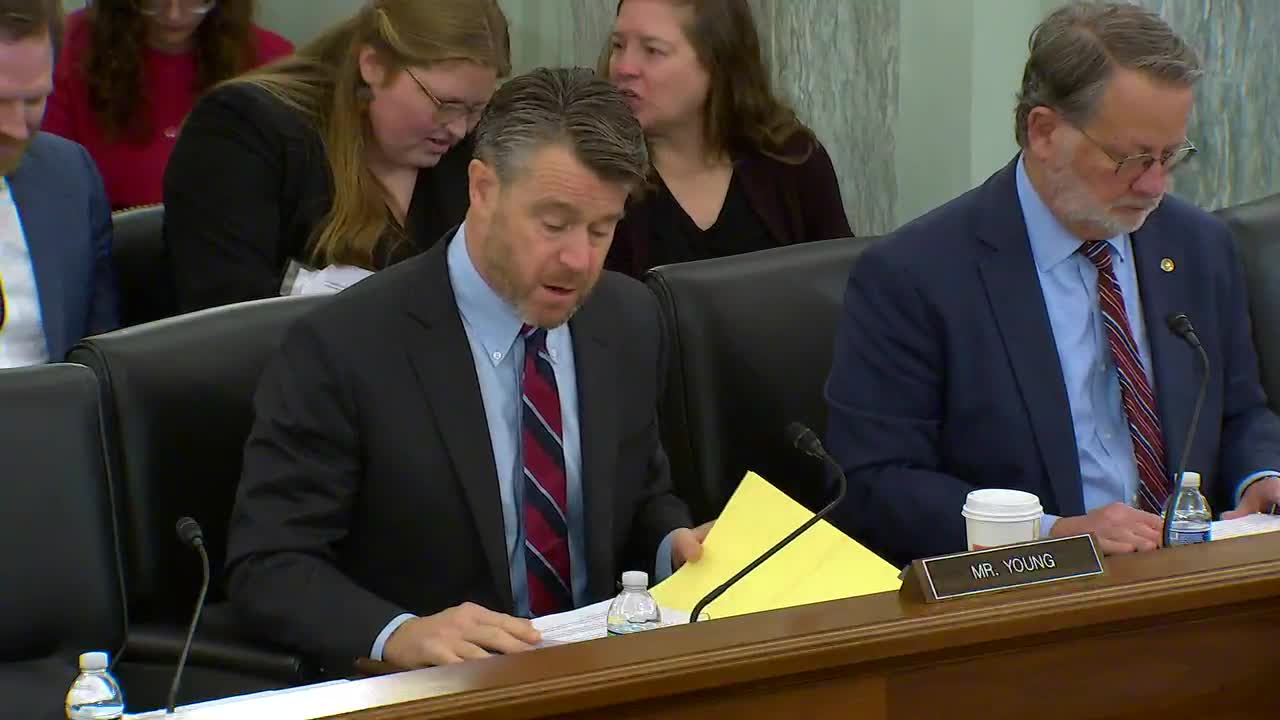
Senate Commerce subcommittee hears testimony on surge in cargo theft; witnesses urge federal task force and FMCSA reforms

2439096 · February 27, 2025

Get AI-powered insights, summaries, and transcripts

Subscribe
AI-Generated Content: All content on this page was generated by AI to highlight key points from the meeting. For complete details and context, we recommend watching the full video. so we can fix them.

Summary

A Senate Commerce subcommittee hearing on cargo theft heard testimony from law enforcement and industry that thefts and freight fraud have surged, with witnesses calling for a federal task force, stronger FMCSA vetting, criminal penalties and better interagency coordination.

The Senate Commerce subcommittee on transportation security convened a hearing on cargo theft, where law enforcement officials and industry witnesses described a steep rise in organized cargo theft, fraud and identity-based scams that target shippers, carriers and small trucking businesses.

Witnesses testified that cargo theft has become both more sophisticated and more costly. Chief Will Johnson of the BNSF Railway Police Department and Second Vice President of the International Association of Chiefs of Police told the panel that strategic cargo theft in the trucking industry has risen dramatically and that the Association of American Railroads estimated more than 65,000 thefts in 2024. "Cargo theft is not a low level property crime," Chief Johnson said, noting armed takeovers and deliberate sabotage of rail safety equipment.

Retail and carrier witnesses described concrete business impacts. Robert Howell, senior vice president and chief supply officer for Academy Sports and Outdoors, said stolen shipments force retailers to reroute inventory, buy more secure transportation and bear incremental costs that ultimately raise prices for consumers. Adam Blanchard, chief executive officer of Double Diamond Transport and Tanager Logistics, described how criminals spoofed his company’s identity, inserted counterfeit listings on the FMCSA SAFER site and diverted high-value loads. Louie Pugh, executive vice president of the Owner-Operator Independent Drivers Association, said small motor carriers and owner-operators suffer outsized harm and can be driven out of business by a single fraud.

Panel witnesses and committee members discussed a range of possible responses. Witness recommendations and committee suggestions included establishing a federal supply chain crime coordination center or task force, directing the Federal Motor Carrier Safety Administration (FMCSA) to strengthen authentication and remove fraudulent entries from public registries, enabling the FMCSA to assess civil penalties for fraud, expanding prosecution venue options to include victims' corporate locations, improving FMCSA’s National Consumer Complaint Database, and giving U.S. Customs and Border Protection (CBP) authority to waive regulatory fines when theft is proven.

Committee members highlighted law-enforcement capacity and international links. Ranking Member Gary Peters (in his remarks) and others called for more federal prosecutorial focus and coordination with the FBI and Homeland Security Investigations; witnesses and members cited links between theft rings and transnational criminal organizations in Eastern Europe, South Asia and Mexico. Committee staff made the hearing record and deadlines public: senators may submit questions for the record through close of business on Thursday, March 6; witnesses were asked to respond by March 20.

The hearing closed with members and witnesses urging Congress and FMCSA to act on technical controls, criminal penalties and coordination to reduce cargo theft, protect small carriers and limit consumer price impacts.