Lifetime Citizen Portal Access — AI Briefings, Alerts & Unlimited Follows
Committee advances bill to license and regulate human composting, sponsor cites sanitary safeguards
Loading...
Summary
Senate Bill 241, which would add "organic human reduction" (human composting) to the statutory list of permitted final dispositions and require licensing and sanitary guardrails, passed the committee unanimously after testimony from an industry visitor and sponsor explanation of safeguards.
A Georgia Senate committee voted to advance Senate Bill 241, sponsor Senator Williams told the panel, to authorize and regulate human composting — described in the bill as "organic human reduction" — and to put sanitary guardrails in place.
Williams said accepted methods of disposition currently listed in law include burial, green burial, cremation, alkaline hydrolysis, and donation to medical or research institutions, and that his bill would add a regulated option for composting. "This is just human composting and ... this is tightening up and putting the guardrails," Williams said, citing other states that have legalized similar processes and industry interest in establishing standards to avoid past failures.
An individual who described traveling to Washington state to view a facility testified about the controlled process: bodies placed in a vessel with wood chips and other organics, monitored to reach temperatures between approximately "141 and 161 degrees," left for about "6 to 8 weeks," then placed in another container for an additional "4 to 6 weeks" while the resulting soil is tested. He described the end product as hygienic soil that may be returned to families or donated to land banks; he estimated a family share about "the size of a back of a pickup truck" (roughly one cubic yard). He said the cost to families is "probably gonna be around $10,000" and that equipment to set up a facility could cost on the order of "$250,000, 3 hundred thousand dollars." The witness also told the committee the process he observed smelled "like a feed store," not foul, and that facilities include air scrubbers to control odors.
Questions from senators focused on religious accommodations, commingling of remains (the witness said facilities do not commingle remains), where final soil might be used, market demand and costs. Williams and witnesses said some states have legalized the process and that the intent of the bill was to regulate an activity that currently has little or no statewide licensing framework; Williams singled out failures elsewhere as a reason to set guardrails in advance.
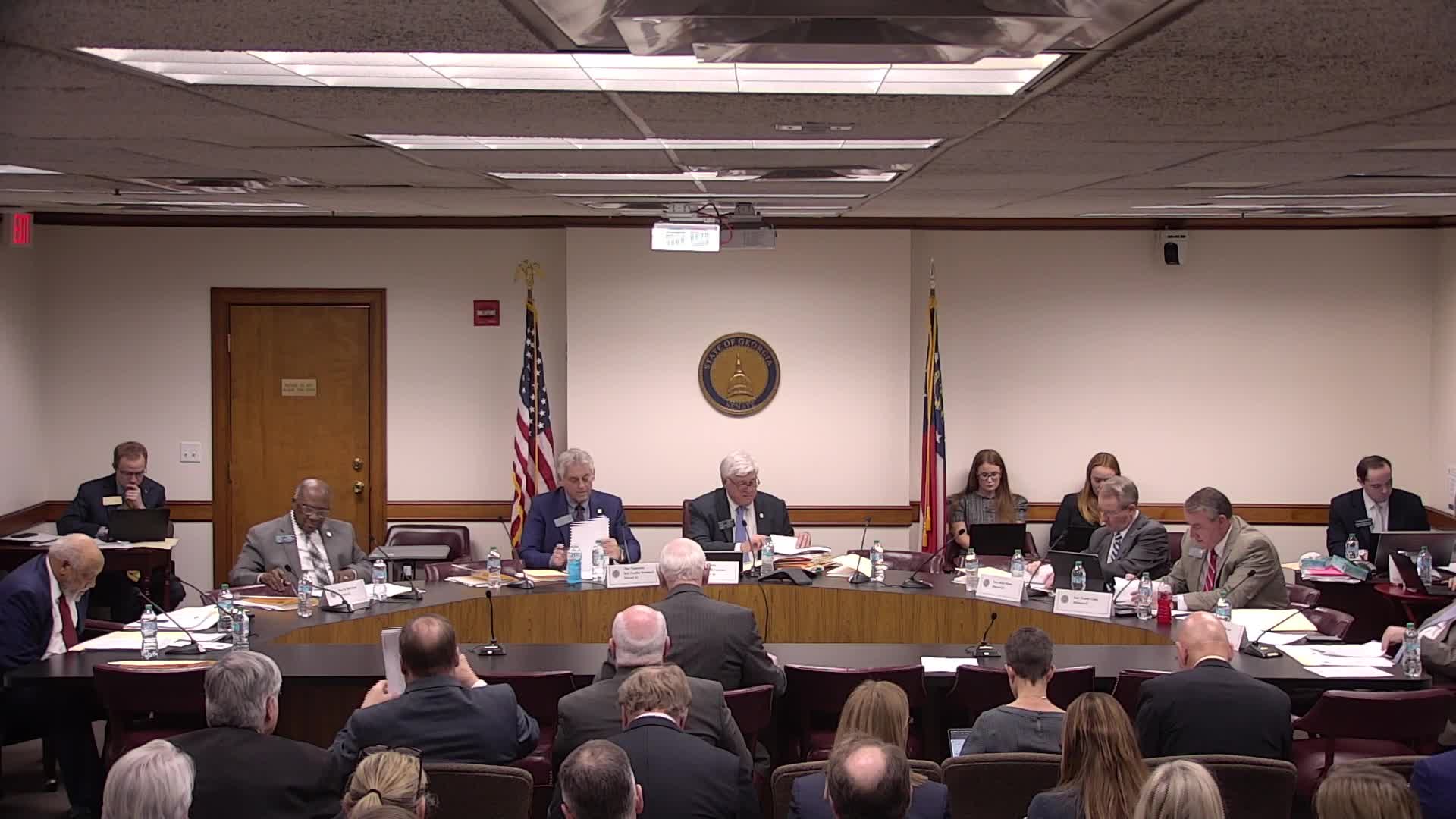
Committee action: A motion to pass was made and seconded (mover identified in the transcript as Senator Summers, second by Senator Albers). The committee voted by raised hands and the chair announced the motion "passes unanimously." The transcript records no amendments at the hearing.
Why this matters: Supporters framed the bill as a public-health and consumer-protection measure that allows an additional disposition choice while preventing unregulated or inhumane operations. The bill directs the regulatory structure and licensing rather than creating an immediate commercialization plan.