Get Full Government Meeting Transcripts, Videos, & Alerts Forever!
Get email alerts on the Commercial Cheating topic
No spam. Unsubscribe anytime.
Senate committee unanimously approves bill targeting commercial cheating services
Summary
A Georgia Senate committee voted unanimously to pass Senate Bill 213, which would make it unlawful for businesses to provide substantially completed work products for commercial purposes — targeting firms that take exams, write essays or complete courses for pay.
A Georgia Senate committee voted unanimously to advance Senate Bill 213, aimed at curbing commercial cheating services that complete exams, homework or course work for paying customers.
Sponsor Sen. Kirkpatrick said the practice has spread across education and occupational licensing and presents both academic-integrity and public-safety concerns. "Commercial cheating has become a widespread problem at all levels of education, including occupational licensing," Kirkpatrick said, describing the activity as a "billion dollar industry" and citing news reports and a letter from the Credential Integrity Action Alliance.
The bill would add the activity to the state's unfair trade practices framework and allow civil penalties under a cited provision of state law. Kirkpatrick told the committee the draft uses the civil-penalty authority already "outlined in 10 dash 1 dash 3 97" and that she had spoken with university system, Secretary of State and Department of Education officials who did not raise objections.
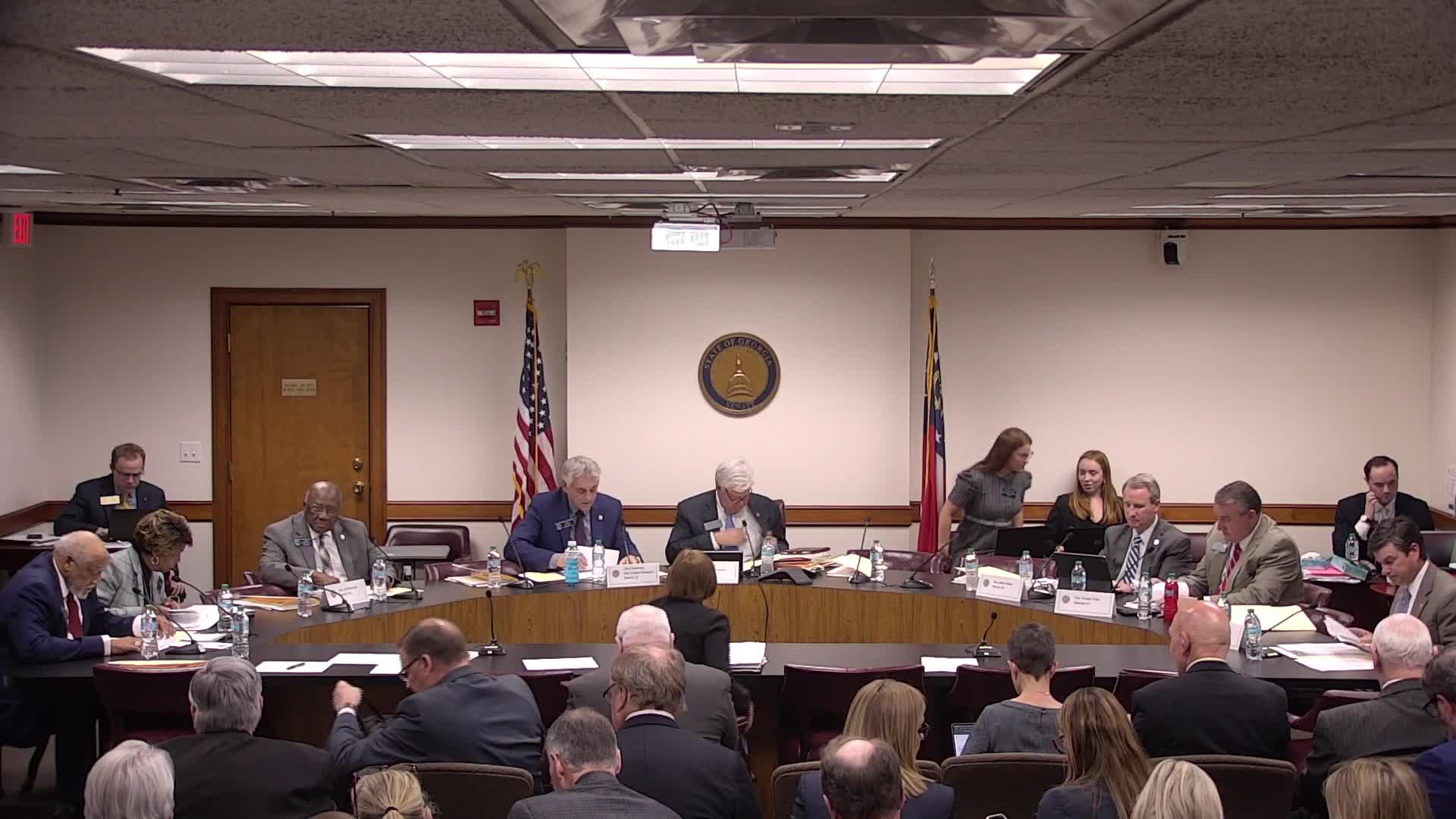
Committee action: Senator Albers moved to pass the bill and the motion was seconded by the Dean of the Senate. The chair called for a voice/hand vote; committee members voted in favor and the measure passed unanimously (hands raised; exact roll count not specified in the transcript).
Why this matters: Supporters said the measure signals state enforcement against commercial operators who facilitate cheating for profit and could reduce demand for those services; the bill relies on existing civil-penalty mechanisms rather than creating a new criminal offense. The sponsor noted practical limits to legislation but said making the activity unlawful could make shortcuts harder to obtain.
The committee did not record extended debate or technical amendments in the transcript. The bill was advanced to allow further consideration in the legislative process.