Get Full Government Meeting Transcripts, Videos, & Alerts Forever!
Get email alerts on the Dei Legislation Education topic
No spam. Unsubscribe anytime.
Hours of public testimony as Senate committee holds hearing on bill restricting DEI programs in Georgia schools
Summary
Senate Bill 120, a wide-ranging proposal to limit diversity, equity and inclusion programs in K–12 and higher education, drew extensive public comment at a hearing. Supporters framed the bill as restoring meritocracy; opponents warned it would harm students, prompt legal challenges and jeopardize federal funding.
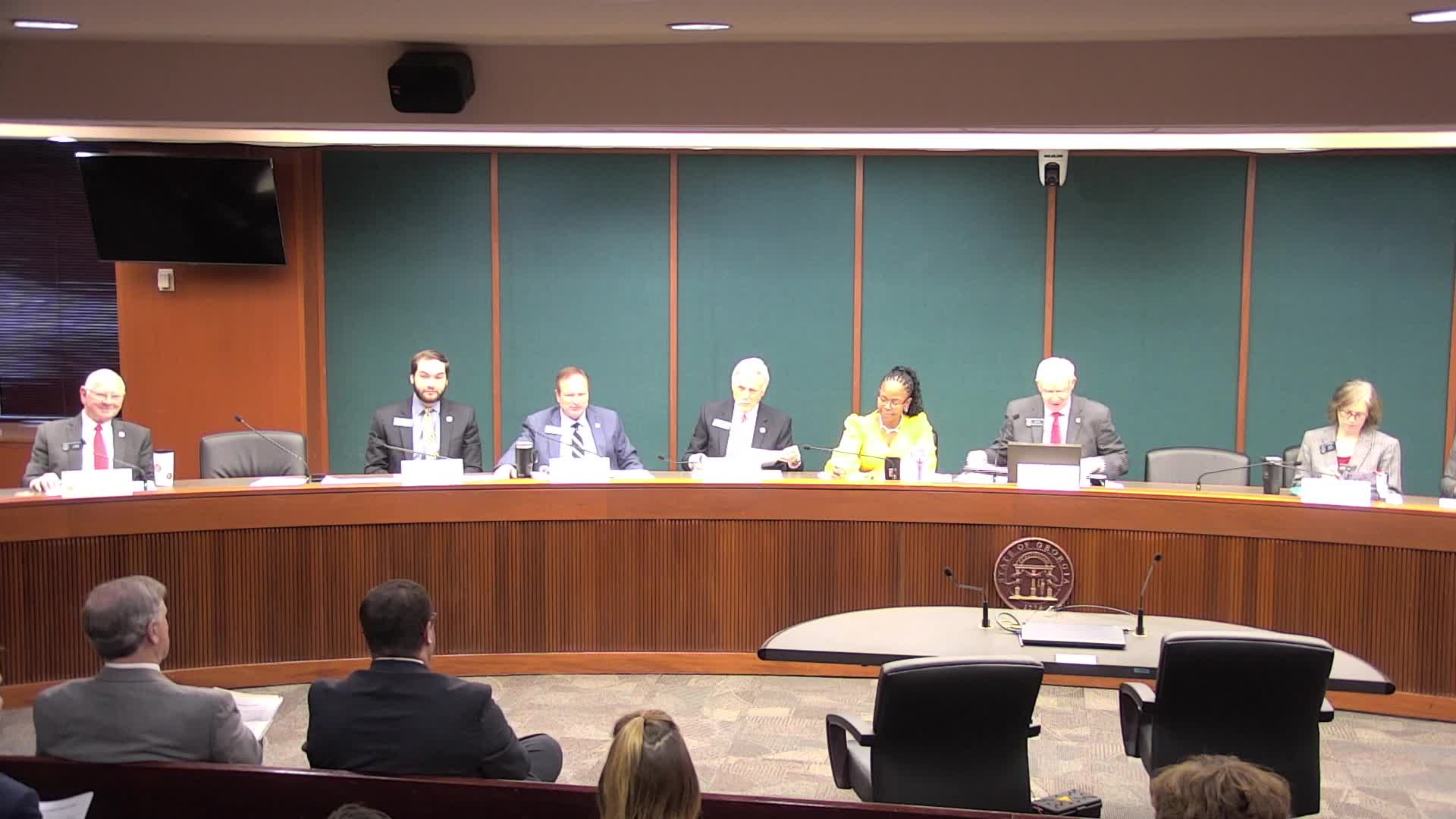
The Georgia Senate Higher Education Committee held an extended hearing on Senate Bill 120, a proposal to restrict diversity, equity and inclusion (DEI) initiatives in public K–12 schools and higher education. The bill's author said the measure would remove what he described as ideology enforcement and return institutions to merit-based standards; teachers, students, civil-rights groups and higher‑education associations urged the committee to reject the bill or to narrow its scope.
Sponsor Senator Michael Harbin told the committee he brought the bill after hearing constituents’ concerns that DEI programs have “become tools of ideology enforcement” and that some students discouraged from speaking out fear “retribution.” He said the bill as drafted applies to University System of Georgia institutions, the Technical College System of Georgia and private postsecondary institutions that receive state funding, and he described the proposal as mirroring federal guidance under review.
More than two dozen individuals affiliated with advocacy groups, university and K‑12 educators, students and civil-rights organizations spoke in opposition during the public‑comment portion. The ACLU of Georgia’s policy and advocacy director warned the committee that broad restrictions on classroom instruction and campus programs could violate the First Amendment and described recent litigation in other states where similar measures were blocked. The NAACP Legal Defense Fund argued SB 120’s “vague prohibitions” and lack of procedural guardrails could exacerbate racial inequality and strip funding for programs that help students access and succeed in education.
Student speakers and campus-affiliated witnesses described personal and safety implications. An Emory student, Daniel Bomberger, said his Jewish student organization and related programs provided community supports and warned that similar laws in other states led to removal of curricular material, elimination of student cultural organizations and loss of staff positions. Multiple student speakers, including high‑school and university students, said DEI programs and related campus groups helped first‑generation students, veterans, students with disabilities and LGBTQ students find support and persist in college.
Representatives from Georgia Educators for Equity and Justice, the Urban League of Greater Atlanta, the League of Women Voters of Georgia and education associations told the committee SB 120 would reverse progress on teacher pipelines and workforce development. The Professional Association of Georgia Educators said conversations with the bill’s sponsor were constructive and urged continued refinement to avoid undermining recruitment programs that partner with HBCUs.
Committee members asked the sponsor about constitutional and implementation risks. Senator Hufsteler raised concerns about applying the bill to private colleges and potential First Amendment conflicts. Senator Payne asked where DEI would be defined in the bill; the sponsor pointed to line 23 and said the bill lists activities it would restrict. Several members asked staff whether federal guidance and funding implications had been considered; witnesses warned that broad restrictions could jeopardize federal grants and prompt legal challenges.
No final committee action was taken; the hearing produced extensive testimony and an offer from the sponsor to continue refining language. Chairman Burns said the committee scheduled a follow‑up higher education meeting and encouraged written testimony from those who did not speak.
Ending
Senate Bill 120 remained under committee consideration after the hearing; supporters framed the measure as protecting merit-based standards, while opponents said its breadth and vagueness threaten students, workforce pipelines and could trigger litigation or loss of federal funding.