Get Full Government Meeting Transcripts, Videos, & Alerts Forever!
Get email alerts on the Fireworks And Public Safety topic
No spam. Unsubscribe anytime.
House committee votes to add commercial equine facilities to 100-yard fireworks exclusion, with local opt-in required
Summary
The House Agriculture and Consumer Affairs Committee approved HB 614 to extend a 100-yard fireworks exclusion to certain commercial equine facilities, but the measure requires local ordinances before protections apply.
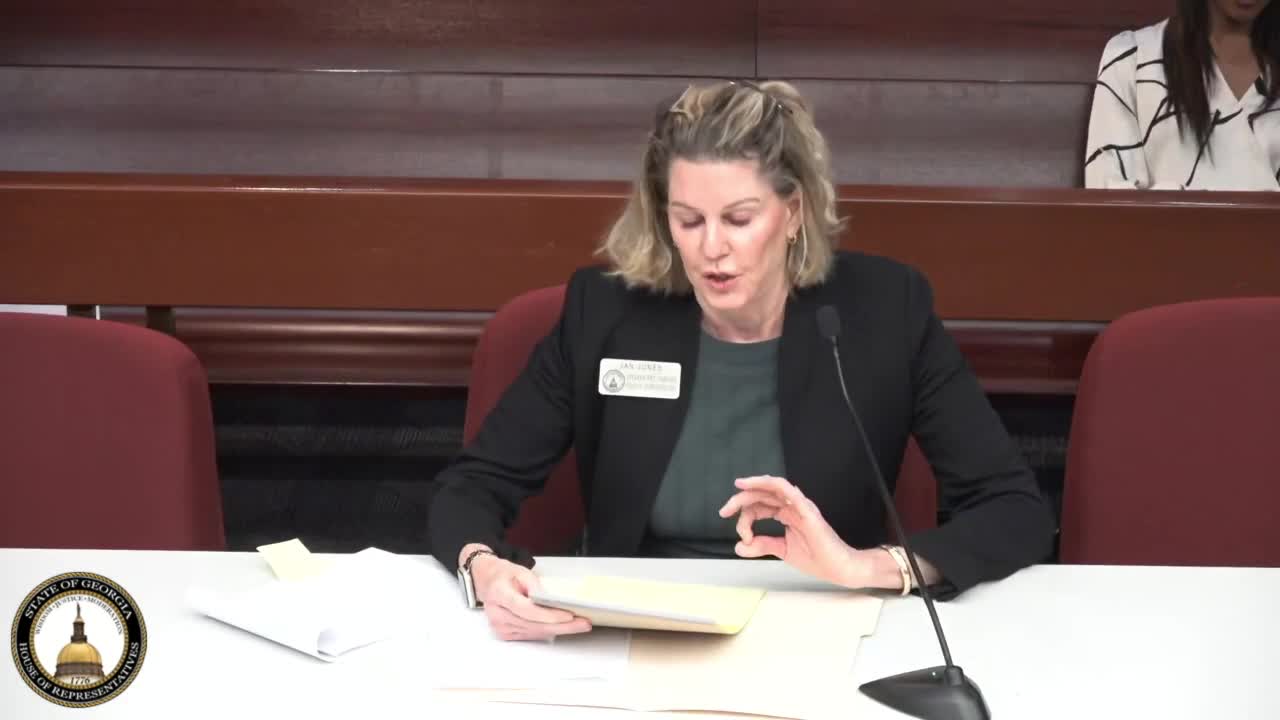
A House Agriculture and Consumer Affairs Committee majority voted to approve HB 614 (LC 443088), a bill that would add “a commercial facility housing equines in a confined area” to the list of sites eligible for the statutory 100-yard fireworks exclusion.
Sponsor comments and committee discussion focused on two central rationales: protecting horses from fireworks-related noise and reducing fire risk at older barns. The bill’s sponsor said the change is meant “to attempt to mitigate but not try to solve in a narrow way some significant concerns of our suburban horse farms.” The sponsor added that the measure was drafted to match the structure of the existing fireworks law and to remain narrowly targeted.
The sponsor told the committee that the 2015 fireworks law already exempts a range of properties — including electric plants, water treatment plants, gas stations, parks, historic sites and health-care facilities — and that adding equine facilities would fit within that framework. The sponsor also said the bill adds a limitation not present for other exempted uses: the protection would apply only if the local governing authority affirmatively adopts an ordinance, so most state localities would be unaffected unless they choose to opt in.
Committee members asked about the chosen 100-yard distance (about 300 feet) and whether that would be sufficient to address both noise and fire concerns. The sponsor responded that the distance mirrors the existing statutory exclusion and that the local-permit requirement and allowance for special-use permits would give municipalities flexibility to address local conditions.
Representative questions highlighted concerns about how “commercial” would be defined and how the change would affect school-based or small private horse programs. The sponsor said she intentionally left the commercial determination to local governments so that municipalities can tailor the definition and enforcement to local circumstances.
A motion to give HB 614 a favorable recommendation passed by voice vote. The motion on the record was announced as “do pass for HB 614 LC 443088.”
The bill now moves to the next steps in the legislative process as approved by the committee.