Lifetime Citizen Portal Access — AI Briefings, Alerts & Unlimited Follows
Nominee Steven Feinberg pressed on acquisition reform, shipbuilding, hypersonics, spectrum and DoD auditability
Loading...
Summary
During his confirmation hearing, Steven Feinberg described plans to apply private-sector operational fixes to Pentagon systems as senators from both parties pressed him on acquisition reform, the shipbuilding crisis, nuclear modernization, hypersonics, spectrum sharing and DoD financial audits.
Steven Feinberg told the Senate Armed Services Committee he would bring private-sector tools to Department of Defense management if confirmed, but senators repeatedly asked for concrete steps to speed production, shore up the industrial base and protect critical military capabilities.
Feinberg said DoD has “low hanging fruit” in program requirements, financial systems and reporting, and that simplifying requirements and improving transparency could yield savings and operational gains. He described acquisition problems as partly rooted in “gold plated” requirements and procurement rules that favor incumbent large defense contractors over smaller, faster firms.
Senators pressed Feinberg on a series of capability priorities the committee said were at acute risk. These included shipbuilding, where multiple senators described a multi-decade production shortfall and warned against cuts at public shipyards that maintain nuclear attack submarines. Feinberg replied that he would examine shipbuilding “with a heavy recruitment team” and try to bring private-sector manufacturing expertise to struggling yards.
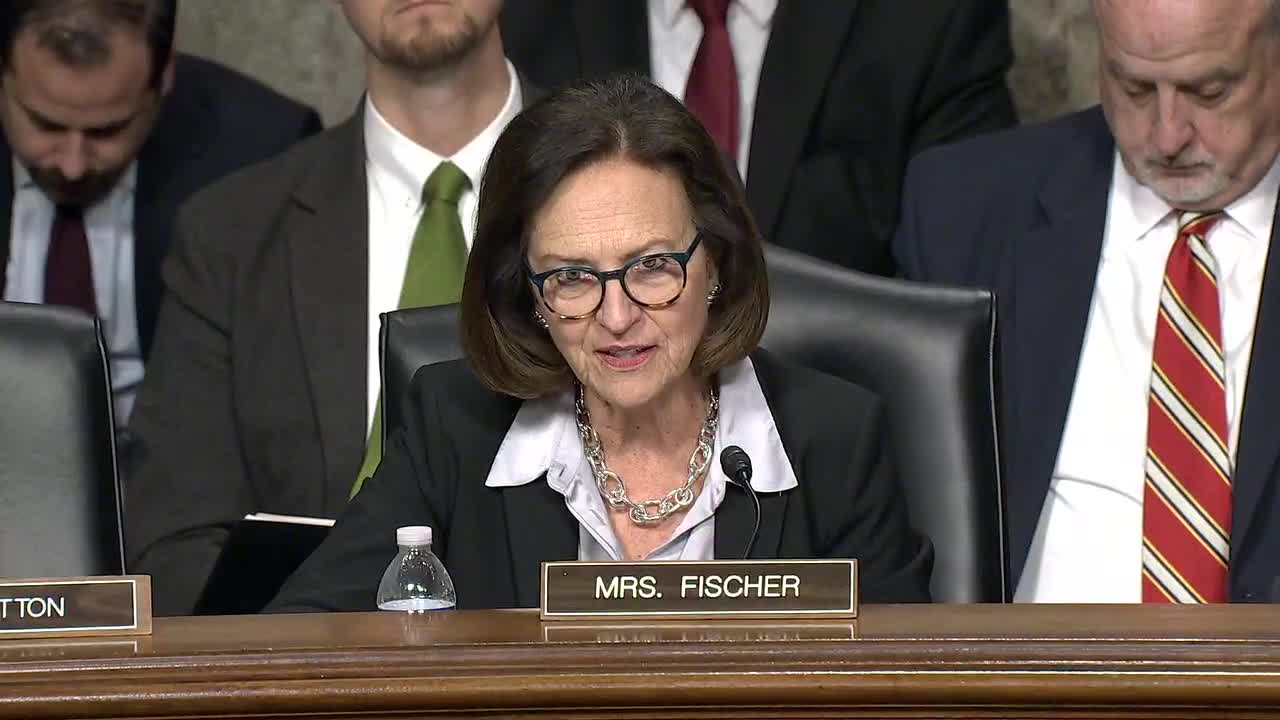
Nuclear modernization and hypersonics drew repeated attention. Senator Fisher called modernization of the nuclear deterrent “the highest priority mission,” and Feinberg said nuclear forces and hypersonics were among the areas needing accelerated development, noting the risk if adversaries field faster systems.
On spectrum policy, senators including Fisher and Rounds warned that forcing DoD to vacate critical bands (notably lower-3 GHz ranges) could degrade radar and missile-defense systems. They framed spectrum sharing as a possible path forward but said sharing must be shown to be safe. Feinberg supported a “sharing” approach if it was tested and safe and said DoD must retain a “meaningful co-leadership role in interagency determinations about the future of federal spectrum.” He also endorsed faster funding and less-bureaucratic processes for the Office of Strategic Capital to mobilize private investment for defense priorities.
Several senators questioned how Feinberg would improve DoD auditability. Feinberg told the committee he would consolidate financial systems, bring in expertise to clarify cost structures and establish financial metrics—steps he said have worked in private-sector turnarounds. He proposed a “war room” approach to go “over every program, every cost, line by line” until the department could pass a statutory audit.
On use of the Defense Production Act to accelerate production, Feinberg said the law is a valuable tool but urged faster processes, less “crushing due diligence” and closer private-sector partnerships to speed manufacturing of munitions, ship components and other critical items. He emphasized the need to tailor remedies to specific bottlenecks—machines, lines and workforce—rather than seek only top-line funding increases.
Feinberg also discussed artificial intelligence and innovation pipelines, urging better operator–technologist partnerships and streamlined contracting to allow smaller companies with viable technologies to compete. He said the Department needs to get “into the program detail line by line” and to loosen rigid requirements that prevent smaller firms from scaling.
Committee members asked Feinberg to commit to ongoing congressional briefings and to protect the independence of professional military and oversight bodies; Feinberg agreed to cooperate with oversight and to respect legal protections for service JAGs and inspectors general.
No committee vote occurred at the hearing; senators will continue to review written responses and documentary materials submitted for the record.