Lifetime Citizen Portal Access — AI Briefings, Alerts & Unlimited Follows
Senate Armed Services Committee grills nominee Steven Feinberg on proposed 8% Pentagon cuts, mass probationary firings and politicization of senior ranks
Loading...
Summary
Steven Feinberg, President Trump’s nominee for deputy secretary of defense, faced sustained questioning from the Senate Armed Services Committee about an administration plan for 8% annual defense budget reductions, the summary dismissal of thousands of probationary civilians and recent removals of senior military legal and oversight officials.
Steven Feinberg, President Trump’s nominee for deputy secretary of defense, faced sustained questioning from members of the Senate Armed Services Committee about an administration plan to reduce defense spending and recent personnel actions at the Department of Defense.
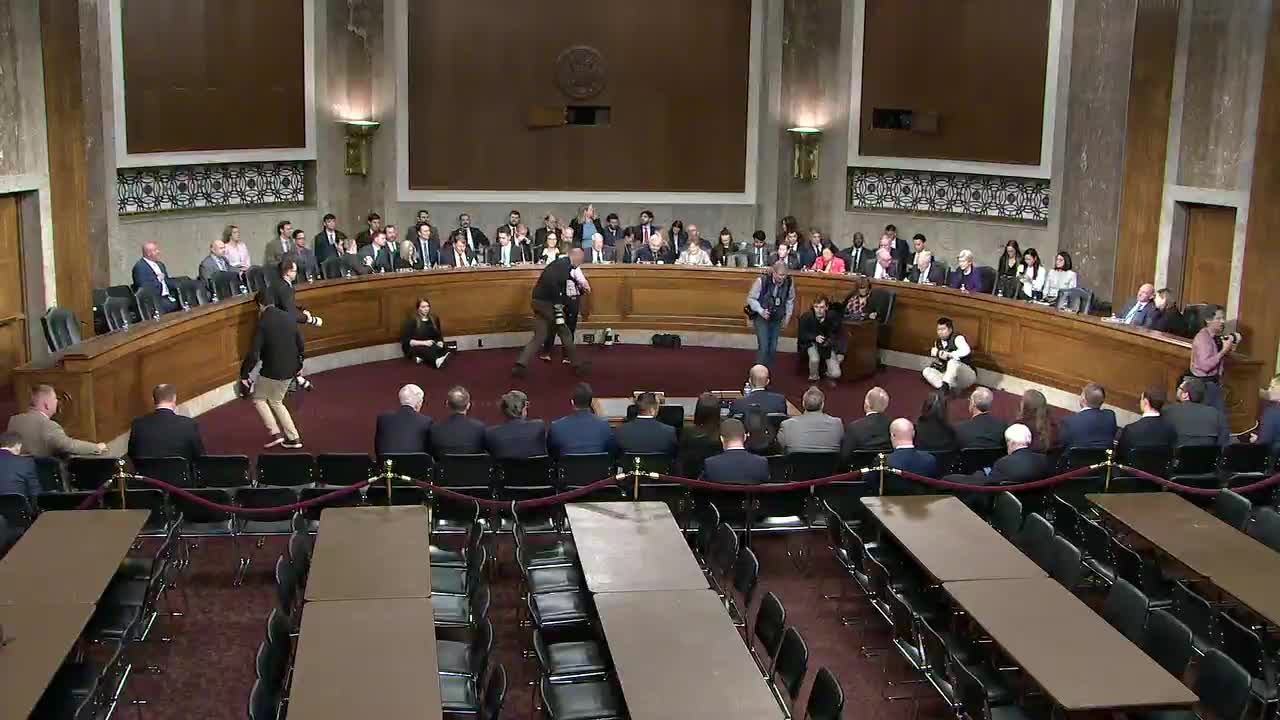
Committee Chairman Wicker opened the hearing by calling it “to consider the nomination of Steven Feinberg,” and senators used Feinberg’s appearance to press him on whether he would protect the legal and institutional independence of military lawyers and inspectors general while managing deep proposed cuts.
The hearing focused early on a plan Secretary Hegseth announced calling for an 8% annual cut to some Defense Department spending. Senator Reid, the committee’s ranking member, warned that the reductions and a related plan to dismiss probationary employees risked undermining readiness and the industrial base and said the firings “appear to be part of a broader campaign” that could politicize the military. Reid pressed Feinberg to say how he would balance reductions with readiness and legal obligations.
Feinberg, who described himself as an operator with private-sector experience in restructuring large organizations, said repeatedly that if confirmed he would implement priorities set by the secretary and by Congress while working to improve DoD’s finance, cost and program management systems. “My job is ... to work whatever the funding the Senate and the House gives me. And I’ll do my best with that,” Feinberg told senators.
Several senators highlighted the short time frame and the manner in which the administration announced workforce actions. Committee members said roughly 5,400 probationary employees had already been targeted for dismissal and that public statements suggested the administration might extend cuts to 5–8% of the civilian workforce—figures several senators repeated as potential totals of as many as 75,000 personnel.
Senator Shaheen cited specific operational concerns at civilian-run shipyards and asked whether Feinberg would examine any personnel reductions before they were implemented. Feinberg said he had not seen full details but pledged that if confirmed he would “look at it super carefully and try to ensure that we make the right cuts that won’t cut into mission.”
Multiple members raised the removal of senior military legal advisers and inspectors general. Senator Reid said the dismissals of service judge advocates general (called "TJAGs" in the hearing) and several inspector generals should alarm Americans and asked Feinberg to commit to protecting their independence. Feinberg answered, “Absolutely,” when asked whether he would respect the independence of service JAGs and of inspectors general and said he would instruct others to do so.
Several senators also asked whether Feinberg would provide the committee with timely briefings and documents if confirmed; he answered yes to questions about cooperating with congressional oversight and protecting witnesses from reprisal.
Feinberg repeatedly framed his approach around improving DoD systems—financial metrics, acquisition processes and program requirements—rather than across-the-board reductions in capability. “There is so much there we can get at without cutting into the bone,” he told the committee, adding that reform would require granular, program-by-program work.
Senators from both parties pressed Feinberg for specifics on how he would evaluate workforce reductions and for assurances that any personnel actions would be grounded in analysis. Feinberg said his private-sector experience had taught him to examine operations in detail and to “find more cuts than we would have expected without hurting mission,” but he declined to endorse the administration’s previously announced personnel actions without reviewing full analyses.
The hearing record will include written follow-up questions; Chairman Wicker announced that committee questions for the record would be due within two business days.
The committee adjourned after nearly three hours of questioning and opening statements by senators on both sides.