Get Full Government Meeting Transcripts, Videos, & Alerts Forever!
Get email alerts on the Icbvi Overview Funding topic
No spam. Unsubscribe anytime.
Idaho Commission for the Blind and Visually Impaired outlines services, warns of federal funding dependence
Summary
Commission administrators gave the Health and Welfare Committee an overview of vocational, independent‑living and summer programs for people who are blind or visually impaired, described core services and an assessment center, and told senators the commission receives roughly 80% of its funding from federal grants; staff said losing federal funds
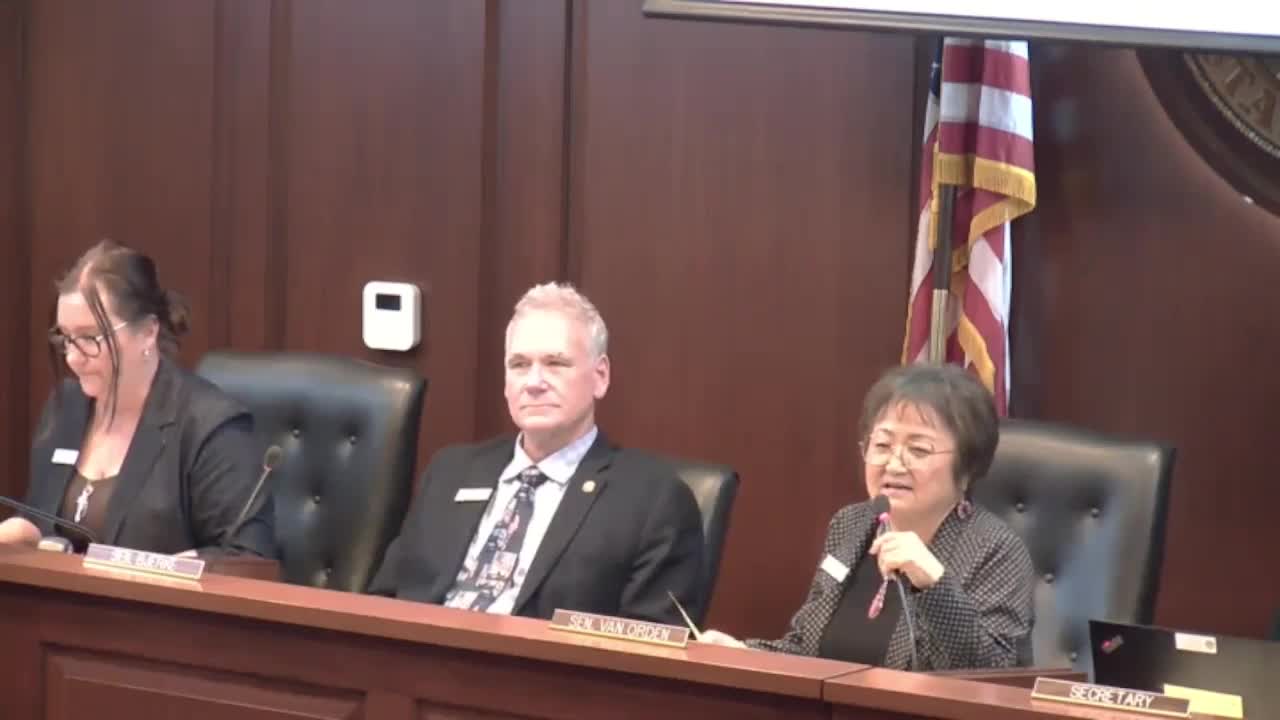
Beth Cunningham, administrator of the Idaho Commission for the Blind and Visually Impaired, and Steve Ochabal, the commission’s independent living program coordinator, briefed the Senate Health and Welfare Committee on the agency’s programs, services and funding.
Cunningham told the committee the commission’s mission is to “empower people with disabilities who are blind or visually impaired by providing vocational rehabilitation, skills training, and educational opportunities to achieve self fulfillment through quality employment and independent living.” She said the commission served Idahoans statewide in fiscal year 2024 and runs programs for adults, seniors and youth from offices in Boise, Coeur d’Alene, Idaho Falls, Lewiston, Pocatello and Twin Falls.
Committee members viewed descriptions of the commission’s vocational rehabilitation services, school‑to‑work transition services for students 14–21, and summer programs that include work‑readiness camp, College Days and the VIEW program (a one‑week job‑readiness course followed by four weeks of paid work experience). Participants in video testimonials said programs increased confidence and prepared them for college or employment.
Cunningham and Ochabal described the commission’s assessment and training center in Boise, which offers 10– to 12‑week sessions in orientation and mobility (cane travel), activities of daily living, braille, assistive technology, wood shop and job readiness, and provides dormitory space for clients who travel to Boise for training. Cunningham also explained the commission’s business enterprise program, established under the federal Randolph‑Shepherd Act, which allows blind vendors to operate food and vending operations in public buildings.
Ochabal described independent living programs for people under 55 and for those 55 and older, and said the commission’s site‑restoration services (state general fund dollars) provide up to $5,000 lifetime assistance for certain procedures such as cataract surgery or glaucoma stents for people who lack the financial means; the service helps preserve or restore vision for a limited number of Idahoans each year. Cunningham said the commission served about 2,000 people in the prior year across its programs.
Senators asked about the commission’s funding. Cunningham said approximately 80% of the commission’s funding is federal; she said the commission receives about $1.8 million from the state general fund and has total funds of about $6.27 million. Senators expressed concern about federal grant uncertainty and the potential impact on services if federal funding changes or is reduced.
Cunningham described grant sources: the commission receives part of a federal Vocational Rehabilitation grant administered by the Rehabilitation Services Administration under the U.S. Department of Education, an Older Blind grant (about $225,000) and other independent living funding. She told the committee the Older Blind grant amount has not increased in many years and that Idaho receives a lower per‑state allocation because of its population size.
Senator Wintrow asked how the commission’s budget relates to the Idaho Division of Vocational Rehabilitation; Cunningham said the commission receives direct federal grants separate from the Division of Vocational Rehabilitation in the Department of Education and therefore the commission’s federal funds are not pooled through the state education agency. She and Ochabal answered additional questions about service delivery and the statewide network of offices.
Committee members thanked the presenters for the overview; the commission offered to answer follow‑up questions and gave Senators contact information for program staff.