Get Full Government Meeting Transcripts, Videos, & Alerts Forever!
Get email alerts on the Government Transparency topic
No spam. Unsubscribe anytime.
Senate approves new records office, supporters say it will speed appeals; opponents warn of reduced committee oversight
Summary
The Senate passed Second Substitute Senate Bill 277 to replace the seven‑member volunteer records committee with a records director and office intended to shorten appeal times. Backers cited long delays; opponents raised transparency and trust concerns and noted a fiscal note for ongoing staffing.
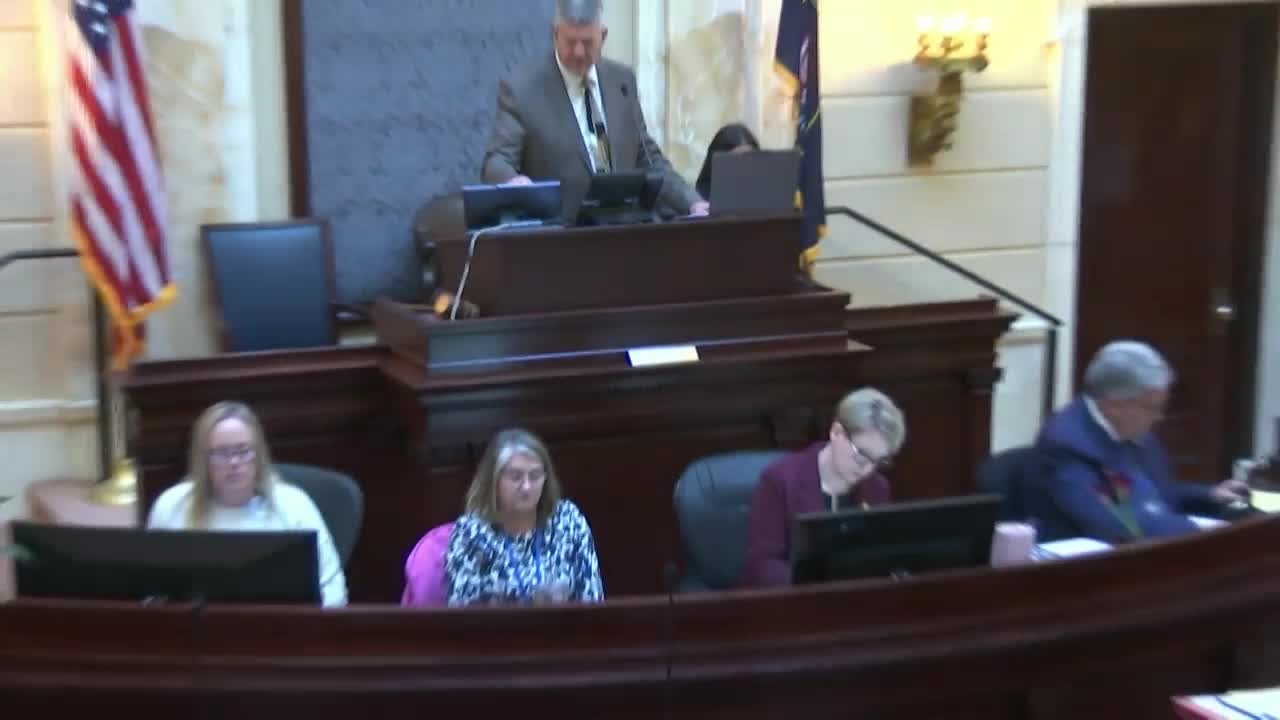
The Utah Senate on the floor passed Second Substitute Senate Bill 277, Government Records Management Amendments, shifting judicial‑style appeals now handled by a seven‑member volunteer records committee to a newly created records director and office inside the state archives.
Proponents said the change responds to lengthy backlogs. “Over the last five years the statutory guidance is these cases are supposed to be heard within 73 days. In 2023, the average time receiving a notice of appeal and issuing a decision was 156 days,” Senator McKell said on the floor, citing audit findings and rising caseloads that he said justified a professional, law‑trained director and a small dedicated staff to manage appeals and provide statewide training to local governments.
The bill’s sponsor and supporters said the new office will preserve a public hearing process while shortening wait times and offering more consistent, legally informed decisions. “With a seven‑member records committee, you have to have quorum. Getting seven people together is difficult,” Senator McCall said, adding a director could act more quickly and run public hearings without changing remedies available to appellants.
Opponents and some members urged caution. Senator Blue said she supported improving timeliness but voted against the bill, arguing the issue merited broader study and additional safeguards. Senator Riebe and others said constituents feared loss of checks and more centralized discretion. Questions focused on where responsibility would sit, whether the governor’s appointment power was excessive and what transparency protections would remain.
Lawmakers and staff said the final substitute addressed some concerns: the governor may remove the director only for cause, and reporting requirements were added so the office must provide metrics about timeliness and implementation back to the Legislature. Support from municipal groups — including the League of Cities and Towns — and risk management representatives was cited by sponsors as evidence local governments had been involved in drafting changes.
The bill includes a fiscal note for ongoing costs. Senator McCall said the office’s budget is roughly $450,000 ongoing to cover a director with legal experience, a small staff, and program‑related training and reporting functions.
Senate debate lasted more than an hour with multiple members asking for clarifications about process and oversight. The vote was 21 in favor, 8 opposed. Supporters said the measure brings Utah into line with other states that use records offices or ombudsmen to accelerate public‑records appeals. Critics said the Legislature should continue monitoring the office and emphasized that the public hearing process must remain open and accessible.
The bill will be transmitted to the House for further consideration.