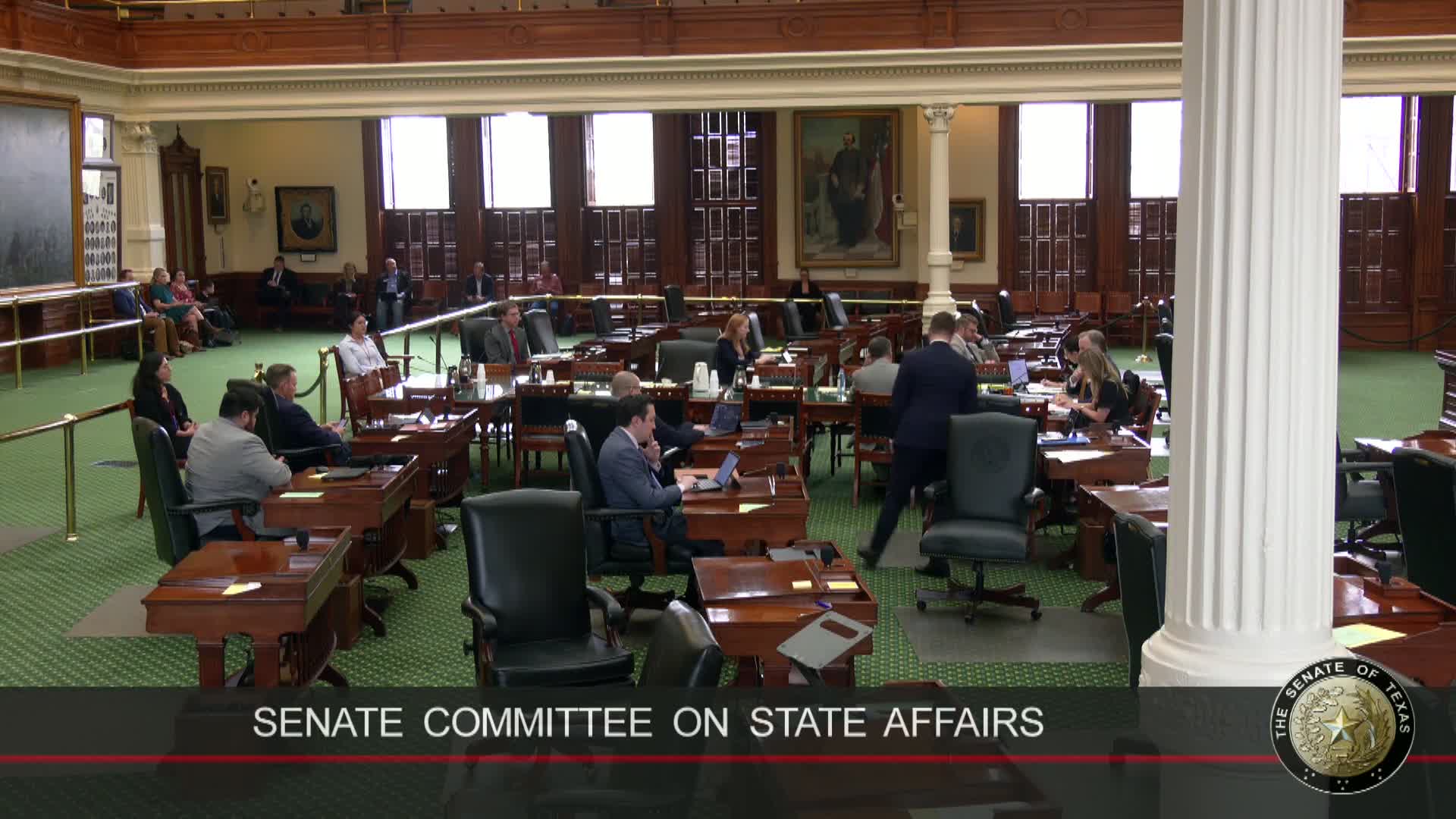
Senate committee hears hours of public testimony for and against SB 18, bill left pending
Loading...
Summary
The Senate heard more than two hours of public testimony on SB 18 — legislation that would remove public funding from libraries that host events described as a man dressed as a woman or woman dressed as a man — with witnesses sharply divided; the bill was left pending for a future vote.
The Senate convened extensive public testimony on SB 18, a bill introduced to restrict taxpayer-funded library programming by removing public funding from libraries that host events described in the bill as involving “a man dressed as a woman or a woman dressed as a man.” Supporters urged the committee to advance the bill to protect children; opponents said the measure is unconstitutional and would chill free speech and library services. The chair left SB 18 pending for a future vote.
Supporters told the committee they want libraries to be child-focused and free of what they consider sexualized or ideologically driven programming. Jonathan Covey, policy director at Texas Values, said he was "testifying in favor of SB 18" and told senators his group tracks what it calls the "documented explosive growth in Drag Queen Story Hour events in public municipal libraries." Vanessa Civec, president of Protecting Texas Children and a pediatric nurse, said, "No library should be used to promote gender ideology and inappropriate content to minors," and urged senators to "vote yes on this bill to ensure that taxpayer dollars are used to support learning, not political agendas." Jamie Haines of Texans Wake Up argued the bill would protect "children's natural rights." Don Garner of Texas Faith and Freedom Coalition framed the proposal as a measure to "protect children" and ensure taxpayer dollars are not used for programming people find objectionable.
Opponents framed SB 18 as a First Amendment and equal‑protection issue, and questioned the bill's definitions and enforcement mechanisms. Dustin Reinders, legal director at the Texas Civil Rights Project, said the bill "doesn't even feign to target sexual or explicit or adult content, but merely cross dressing," and argued that enforcement would raise free‑speech problems. Maxine Laqueen, a trans woman and full‑time drag entertainer, told the committee that "Drag is a form of creative expression and a constitutionally protected exercise of free speech under the First Amendment." Several witnesses who identified as drag performers or longtime volunteer librarians said the events are tailored for children, promote literacy and inclusivity, and that parents can choose whether to attend.
Witnesses raised practical and legal concerns. Multiple opponents said the bill's language is vague and would force libraries to police patrons' appearance or gender presentation. Shelby Evans asked, "How could you or the librarian verify my gender? Are you suggesting my personal documents or body parts be checked?" Trustees, educators and students who testified opposed cutting library funding over an event and pointed to existing local control and parental choice. Supporters countered with personal anecdotes and claimed some events have included inappropriate acts; witness testimony included descriptions of events and referenced alleged videos and incidents. Jonathan Covey testified that such events are often for children ages "3 to 11," and said his organization has "over 200,000 supporters in all 254 counties in Texas." Several witnesses also referenced litigation over past, similar laws (SB 12) and court rulings that have affected related statutes.
Committee procedure and next steps: after public testimony concluded, the chair announced that "Senate Bill 18 will be left pending for a future vote." No committee vote or amendment was recorded in the transcript. The record shows extensive public comment on both sides but no formal action other than leaving the bill pending.
Why this matters: supporters frame SB 18 as a child‑protection and taxpayer‑funding issue; opponents say it targets LGBTQ+ people, risks First Amendment violations and threatens library funding and services. The tension raises legal and policy questions about local control, the state’s power over public funding, and how the legislature defines eligible programming in taxpayer‑supported institutions.
The committee moved on after leaving SB 18 pending; public testimony on the measure closed without a recorded committee vote.