Get Full Government Meeting Transcripts, Videos, & Alerts Forever!
Kirkland reviews King County Metro RapidRide K Line plan, schedule for letters of support
Summary
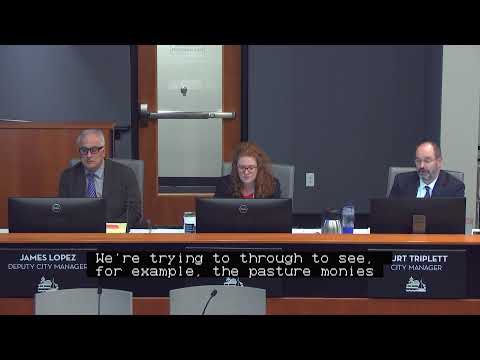
Kirkland city officials and King County Metro staff presented the RapidRide K Line plan to the City Council during a Feb. 18 study session, outlining a 16-mile route with 35 station pairs, proposed speed-and-reliability treatments, and the schedule to seek federal Small Starts funding.
Kirkland city officials and King County Metro staff presented the RapidRide K Line plan to the City Council during a Feb. 18 study session, outlining a 16-mile route with 35 station pairs, proposed speed and reliability treatments, and the schedule to seek federal Small Starts funding. Metro and city staff said they will return to the council on March 4 and March 18 for record-of-support memos and to request a formal letter of support for the locally preferred alternative.
The briefing matters because the K Line — a RapidRide bus-rapid-transit corridor Metro says would run every 10 to 15 minutes across much of the Eastside — would change how transit serves Kirkland neighborhoods, affect travel times and operating costs, and require local decisions about lane use, curb changes and property impacts.
Ryan Whitney, K Line line lead for King County Metro, told council the K Line is envisioned as “light rail on wheels,” with RapidRide 2 station standards, real-time signs and off-board fare capability at larger stops. Metro described the project as a 16-mile corridor with 35 station pairs; Kirkland would receive 18 stations. Metro estimates the investment across Kirkland and Bellevue would cut round-trip travel times substantially — “time savings of 26 and a half minutes in the southbound direction, 20 and a half minutes in the northbound direction,” Whitney said — and translate to about $2 million in annual operating-cost savings for Metro because buses could complete the route faster.
Metro staff said station amenities would include shelters, lighting, bicycle parking and real-time information displays; all stations would have all-door boarding. Metro also described an “access to transit” component: staff identified eight locations along the corridor for walking, biking and crossing improvements to connect people…
Already have an account? Log in
Subscribe to keep reading
Unlock the rest of this article — and every article on Citizen Portal.
- Unlimited articles
- AI-powered breakdowns of topics, speakers, decisions, and budgets
- Instant alerts when your location has a new meeting
- Follow topics and more locations
- 1,000 AI Insights / month, plus AI Chat