Get Full Government Meeting Transcripts, Videos, & Alerts Forever!
Get email alerts on the Governance Foia topic
No spam. Unsubscribe anytime.
School board removes candidates for planning steering committee from closed‑session agenda after FOIA concerns
Summary
A motion to amend the board’s closed‑session agenda deleted discussion of candidates for an Educational Facilities Planning Steering Committee after board counsel warned the topic might not be appropriate for a closed session. The board voted to amend the motion and asked legal staff to provide a written opinion.
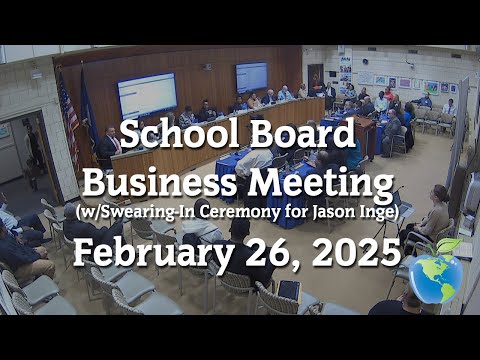
The Norfolk School Board on Tuesday amended its motion to enter closed session to remove discussion of specific candidates for an Educational Facilities Planning Steering Committee, after legal counsel warned that discussing volunteers who are not officers or employees could expose the board to a Freedom of Information Act challenge.
Why it matters: the exchange highlights change‑of‑process questions about whether an administration‑led steering committee constitutes a board advisory body and whether candidate discussion qualifies for a closed session under Virginia law.
Board member Colonel Ken Paulson moved to amend the planned closed‑session language to delete references to discussing candidates for the steering committee; other members and the board’s attorney debated whether the discussion, as written, would be permissible in closed session. The attorney advised caution and recommended postponing candidate discussion or requesting a written legal opinion to reduce the risk of a FOIA challenge. The board then approved the amendment by roll call and directed legal staff to issue a formal opinion before the item is reconsidered.
Discussion details: the board attorney explained the legal risk if a member later refused to certify a closed session, saying a refusal “would invite a lawsuit” and urging the board to seek a written opinion before proceeding. Several board members noted the committee had been described as an administrative (not board) committee and said they wanted more clarity on whether the body should be created or treated as an advisory committee under existing practice.
Action taken: the board amended the motion to remove the phrase that would have allowed discussion of specific candidates in connection with the steering committee and passed the amendment; the board directed counsel to prepare a written legal opinion about whether candidate discussion could lawfully occur in closed session or whether the division should instead establish the committee as a board advisory body.
Quotations (verbatim from the meeting): “If the motion is voted down, are you gonna participate in the closed session?” the attorney asked during debate; later the attorney advised, “it may be best for the board…to postpone this discussion and give us time to give you a formal legal written opinion.”
What’s next: board counsel will provide a written opinion before the district schedules any closed‑session discussion of candidates; the board may choose to reconvene the item publicly or to establish an advisory committee model if counsel advises that approach.
Ending: the amendment passed and the candidate discussion was removed from the closed‑session agenda pending written legal guidance.