Get Full Government Meeting Transcripts, Videos, & Alerts Forever!
Get email alerts on the Public Safety Alpr topic
No spam. Unsubscribe anytime.
Council accepts annual ALPR report after public scrutiny; residents raise data-privacy concerns
Summary
The council accepted the Sheriff’s Office annual report on automated license plate readers (ALPRs). Members asked for clarifications about cases aided by cameras in Woodside and data-retention and use; residents urged caution about mass data collection and raised accuracy questions.
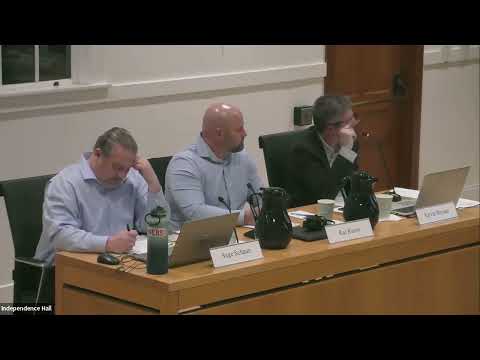
The Woodside Town Council on Feb. 11 accepted the annual automated license plate reader (ALPR) usage and privacy report, receiving a presentation from staff and the San Mateo County Sheriff’s Office. The report summarized incidents for which ALPR data was used and described safeguards in place under Woodside’s ALPR policy.
Sergeant Taylor of the Sheriff’s Office participated by Zoom and said several investigations during the reporting period included ALPR hits in Woodside; he said many of the incidents remain under active investigation and could not be discussed in detail at the meeting. Planning and council members asked whether there were Woodside cases specifically aided by ALPR images captured in town; the sergeant said cameras in Woodside had been used in investigations but staff would follow up with case numbers and completed-report details as investigations close.
Residents raised privacy and efficacy concerns. A public commenter described a personal attempted-theft incident in which FLṌCK (the vendor system) provided a license-plate lead that did not ultimately produce an arrest, and argued that localized plate-capture databases can be defeated by swapped plates or rented/stolen vehicles. The commenter urged the council to terminate ALPR collection, citing long-term data-use risks and an error in the report’s read-count totals.
Council members reiterated that Woodside’s ALPR policy expressly restricts certain uses of ALPR data and requires audits; staff confirmed data retention is limited (the town’s policy uses a 60-day retention window for captured reads). Council member Wall said the audit appears to require substantial staff time and encouraged continued oversight. Mayor Pro Tem Gold and other council members said ALPRs have contributed to solving crimes in the county and that the system’s value is primarily investigatory support rather than an absolute deterrent.
Council voted to accept and file the report by roll call.