Get Full Government Meeting Transcripts, Videos, & Alerts Forever!
Get email alerts on the Prevention Coalition topic
No spam. Unsubscribe anytime.
Recovery court director seeks funding to re-establish Coffee County prevention coalition and youth programs
Summary
Alan Burnett asked the committee to fund a Coffee County Collaborative Coalition to restore prevention capacity, youth activities, school liaisons and coalition staffing; the proposal includes salary augmentation and stipends for school liaisons.
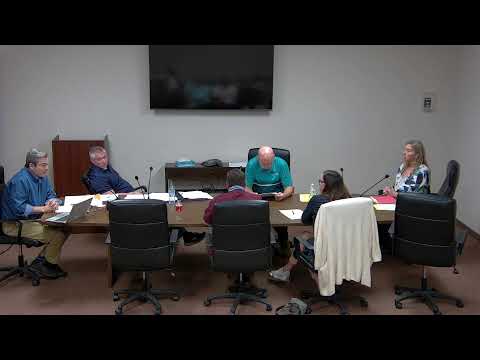
Alan Burnett, director of Coffee County Recovery Court, told the Opioid Abatement Fund Committee on Feb. 26 that he is proposing a Coffee County Collaborative Coalition to restore prevention and youth programming and to build local capacity for sustained prevention work.
Burnett said the coalition would use the strategic prevention framework — assessment, capacity building, planning, implementation and evaluation — and would bring in state-funded resources such as the Tennessee Alliance for Drug Endangered Children, ‘‘Handle With Care’’ and the Tennessee drug task force. He described ongoing school work (reading an illustrated book to students, after-school flag-football and other youth activities) and requested county funds to augment staff and cover program costs.
Why it matters: Burnett presented a countywide prevention strategy intended to reconstitute the local coalition infrastructure the county lost prior to his arrival. A functioning coalition, he said, unlocks access to state trainings, grant-supported coordinators and other partners that can expand prevention and early-intervention services for children and families.
Key details and committee questions: Burnett said some line items in his packet include salary augmentation for a coalition director role (he and the committee discussed a $20,000 director supplement in addition to his existing county recovery-court salary) and stipends for school liaisons to support after-school and prevention activities. He described program-level expenditures and asked for an initial allocation to build capacity and begin programming; members asked whether recurring salary items would be sustainable if future opioid-abatement revenue declines and how to report outcomes for future funding cycles.
Next steps: The committee will consider the coalition proposal during its March 12 meeting alongside other applicants and asked staff to apply the state rubric and provide firm funding numbers before that vote.