Get Full Government Meeting Transcripts, Videos, & Alerts Forever!
Get email alerts on the Early Education topic
No spam. Unsubscribe anytime.
Berkeley County teachers say pre-K builds social skills and eases kindergarten transition
Summary
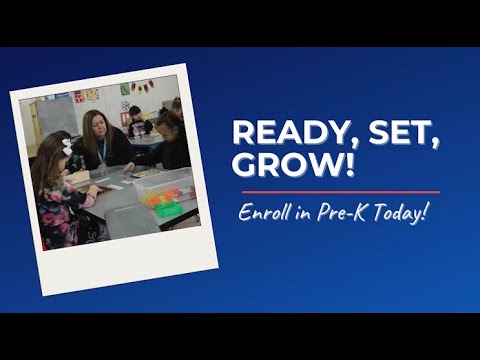
Two Berkeley County Schools teachers described prekindergarten classrooms as active environments that emphasize social-emotional skills and help children adjust to routines so they are better prepared for kindergarten.
Two teachers with Berkeley County Schools said preschool classrooms emphasize social-emotional learning and practical routines that help children enter kindergarten ready for academic expectations.
Jessica Hikes, a pre-K teacher at Marla, said a typical preschool day is “very, very active” and that social-emotional skills are the primary focus. “The kids are engaged throughout the entire day. Those social emotional skills are the biggest thing that we focus on in pre k,” she said.
Charity Bancheck, a special education preschool teacher with Berkeley County Schools, said many children arrive without much experience interacting with other children outside their families. “A lot of these kids have either not had a lot of interaction with other children or interaction outside of their family before they come into pre k,” Bancheck said. She added that children often need guidance on basics such as sharing and taking turns.
Both teachers said pre-K gives children exposure to school routines — including riding a bus and being away from parents — and to early literacy and numeracy skills. “When we go to kindergarten, there’s gonna be a lot more expected from them, a lot of academics, and pre k gives them that precursor to kind of get used to school,” Hikes said.
Hikes and Bancheck each noted their experience in the classroom: Hikes said this is her fifth year teaching pre-K, and Bancheck said this is her fourth year with the district. Hikes added that she has observed students arriving to kindergarten better prepared and more successful academically after attending pre-K.
Both speakers framed these observations as classroom experience and examples rather than as districtwide data. The teachers described pre-K as part of the district’s early childhood program offerings but did not present enrollment figures, funding details, or formal proposals during their remarks.