Get Full Government Meeting Transcripts, Videos, & Alerts Forever!
Get email alerts on the Tax Policy topic
No spam. Unsubscribe anytime.
Spotsylvania supervisors approve modest increases to elderly/disabled tax‑relief thresholds for FY2026
Summary
After months of discussion and staff analysis, the Board approved staff’s recommended increases: gross household income limit to $68,000, net‑worth limit to $250,000 and the exemption amount to $1,900, effective for the FY2026 budget. The Board emphasized phased changes and data tracking.
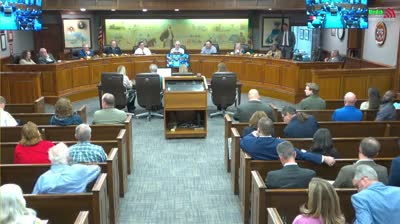
The Spotsylvania County Board of Supervisors voted on Oct. 22 to adopt staff’s recommended adjustments to the county’s real‑estate tax relief program for elderly and permanently disabled residents, directing those changes to be included in the FY2026 budget. The board approved a $68,000 gross household income limit (up from $50,000), a $250,000 net‑worth cap (up from $200,000) and an increase in the exemption amount from $1,500 to $1,900.
Debbie Williams, Commissioner of the Revenue, and Chief Deputy Janet Loy presented staff’s analysis and recommended a gradual increase that the county could monitor. “To be eligible for the program, they have to be 65 or older, or permanently and totally disabled before January,” Williams said, summarizing existing program criteria. Finance staff noted last year’s tax relief cost the county about $1.4 million; staff recommended incremental changes so the county can measure fiscal impact before larger increases.
Several supervisors urged caution about unintended “cliffs” in eligibility tied to net‑worth calculations and asked whether the county could pursue alternative approaches (for example, tying changes to CPI or adjusting acreage exclusions). Finance staff and the commissioner said existing state code constrains some changes but confirmed the recommended increases were defensible and would allow the county to collect better data for future adjustments.
The board approved the staff recommendation on a substitute motion; the roll call recorded 5 yes, with 1 supervisor voting no and 1 abstention. Supervisors said the phased approach balances the desire to assist older residents with the county’s fiscal responsibilities and asked staff to return with updated participation and cost data during the next budget cycle. The changes are expected to be effective for the FY2026 cycle if included in the adopted budget.