Get Full Government Meeting Transcripts, Videos, & Alerts Forever!
Get email alerts on the Residential Treatment Costs topic
No spam. Unsubscribe anytime.
Washington County reports sharp rise in residential treatment rates; officials emphasize keeping youth in community
Summary
County staff presented a five-year review showing residential treatment daily rates up roughly 68% from 2020 to 2025 and described steps to avoid out-of-home placements where possible; officials said counties in Wisconsin typically pay both treatment and education costs for residential placements.
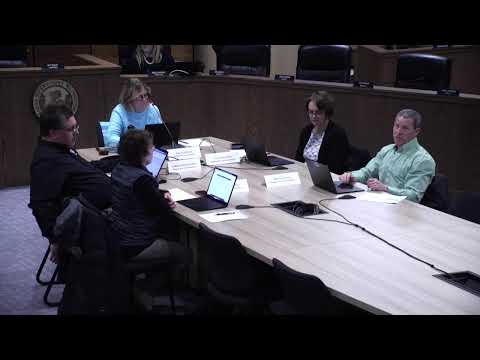
Washington County Human Services staff told the committee that residential treatment and child-placing-agency costs have risen sharply in recent years, and the county is working to keep more children served in community-based programs to limit out-of-home placements and the associated high costs.
Coral, a Health & Human Services staff member, presented a five-year look-back on placement costs. She said child-placing agency (treatment foster care) costs have grown about 30% from 2020 through early 2025 and that residential treatment rates across providers have increased about 68% over the same period. Coral listed frequently used providers and noted the county sometimes must place youth out of state when no Wisconsin slots fit a child's needs.
Julie added that counties in Wisconsin typically pay the full daily rate for residential treatment, including room and board, clinical treatment and education, whereas Medicaid or other payors might cover some clinical costs in other states. "We, as in county human services, are paying almost the entire cost of residential treatment," Julie said, and noted that changing that statutory arrangement would require state action.
Committee members asked about scarce high-cost placements such as Winnebago; staff said Winnebago is used only as a last resort and that cases placed there receive daily monitoring from county social workers and ongoing efforts to identify alternative placements. Coral described specific placement examples, including long-term placements for youth with high support needs and occasional out-of-state placements with providers such as Youth Villages and Chaddock.
Julie and Coral said initiatives such as family-centered treatment and expanded Comprehensive Community Services (CCS) helped reduce total residential census, but rising rates mean budgetary savings from reducing placements have been limited. County staff said they continue monthly reviews of high-cost cases and attempt to house children in the community when clinically appropriate.