Get Full Government Meeting Transcripts, Videos, & Alerts Forever!
Get email alerts on the Minimum Wage topic
No spam. Unsubscribe anytime.
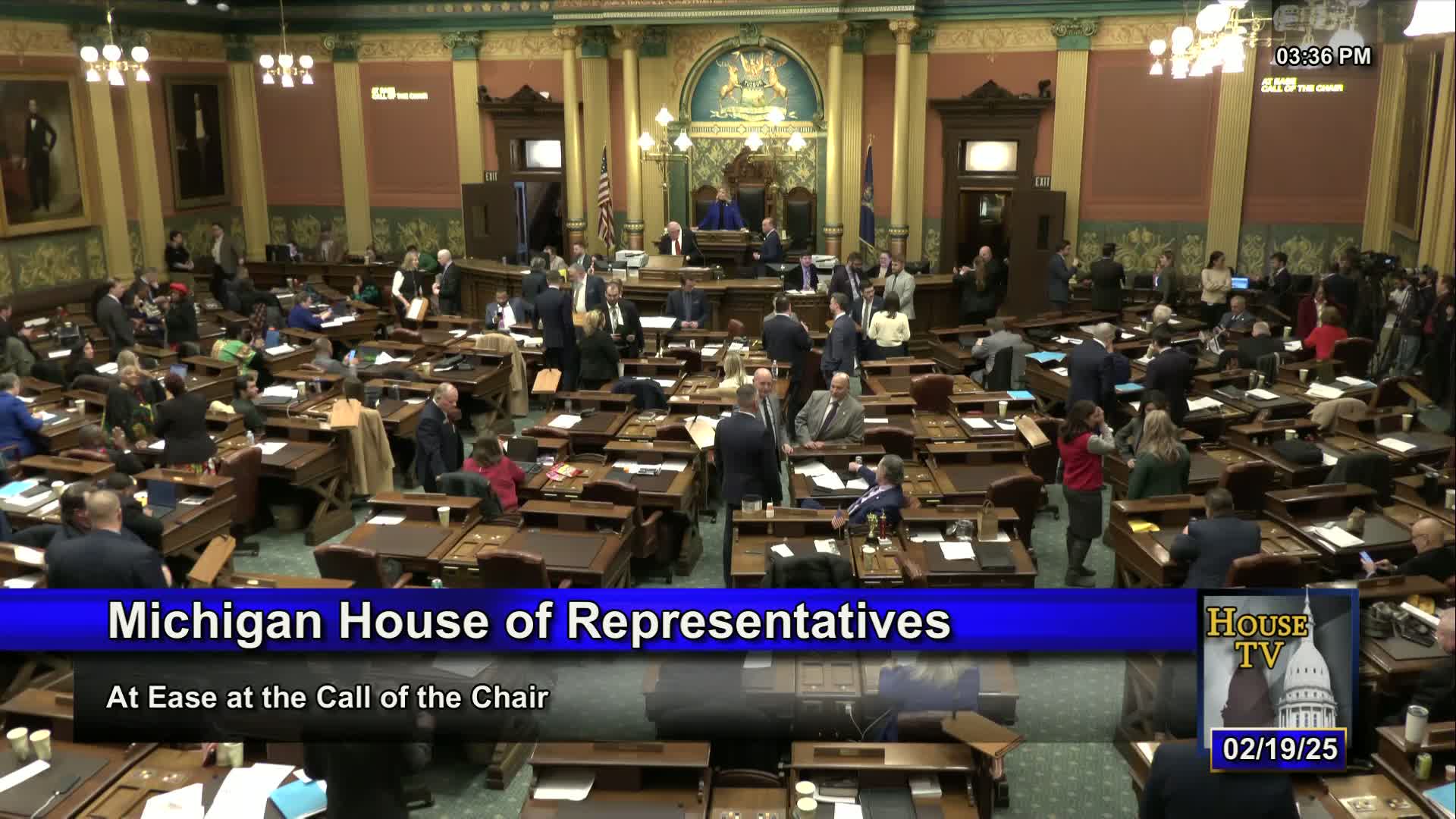
House approves Senate Bill 8 in 69-40 vote after failed amendments; lawmakers call it a compromise on tipped wages
Summary
The Michigan House passed Senate Bill 8 on third reading by a 69-40 roll-call vote, after multiple amendments and substitutes were rejected; supporters called the measure a bipartisan compromise aimed at raising minimum pay while preserving tips for restaurant workers.
The Michigan House of Representatives passed Senate Bill 8, a measure amending the Improved Workforce Opportunity Wage Act, on a 69-40 final roll-call vote after several proposed amendments failed and supporters described the bill as a compromise.
Proponents said the bill balances worker protections and business needs. "Senate Bill 8 is not perfect, but it is a compromise," Representative Thompson said on the floor, urging colleagues to keep restaurant doors open and protect tip-dependent workers. Representative Roth urged support, saying the bill "moves the minimum wage to $15 an hour and allows [workers] to keep receiving the tip wages they work so hard to earn." Both statements were made on the House floor during third-reading debate and attributed to the speakers named above.
The bill's path included unsuccessful amendment attempts. Representative Colazar offered an amendment to require that tipped workers never be paid a sub-minimum wage on any day they worked, by adjusting employer make-up pay by shift rather than by pay period; the amendment was not adopted. Two floor substitutes (identified in the record as H-1 and H-2) also failed on the House floor before the bill advanced to third reading.
On final passage, the clerk announced 69 aye votes and 40 nay votes. After the result, Majority Floor Leader Postumas (as identified on the floor) moved for immediate effect; members standing en masse approved immediate effect.
Discussion on the floor framed the vote as the product of bipartisan negotiation. Representative Thompson praised members who worked across the aisle in both chambers and called on lawmakers to act quickly: "We have two days before the ship goes down," he said, urging passage to help businesses and workers. Representative Colazar, speaking earlier on amendments, framed his proposal as a modest change that would protect low-earning shifts and provide weekday work incentives for employees.
The House earlier discharged a select committee to place Senate Bill 8 on the second-reading calendar; Representative Schuette moved that discharge and the House agreed. The bill was then advanced to third reading and placed on immediate passage by motion of the majority floor leader.
Votes at key moments matched the Clerk's on-record counts: amendment and substitute proposals failed on recorded votes (clerk displayed "not adopted"), final passage passed 69-40, and immediate effect was ordered by a standing vote.
What happened next: With immediate effect ordered on the House floor, the bill proceeds under the legislative timetable indicated during the session. The statute named in the bill text is the Improved Workforce Opportunity Wage Act, which the bill amends.