Get Full Government Meeting Transcripts, Videos, & Alerts Forever!
Get email alerts on the Insurance And Financial Services topic
No spam. Unsubscribe anytime.
MSU expert gives 'Insurance 101' to House Insurance Committee; members ask about deductibles, reinsurance and life policies
Summary
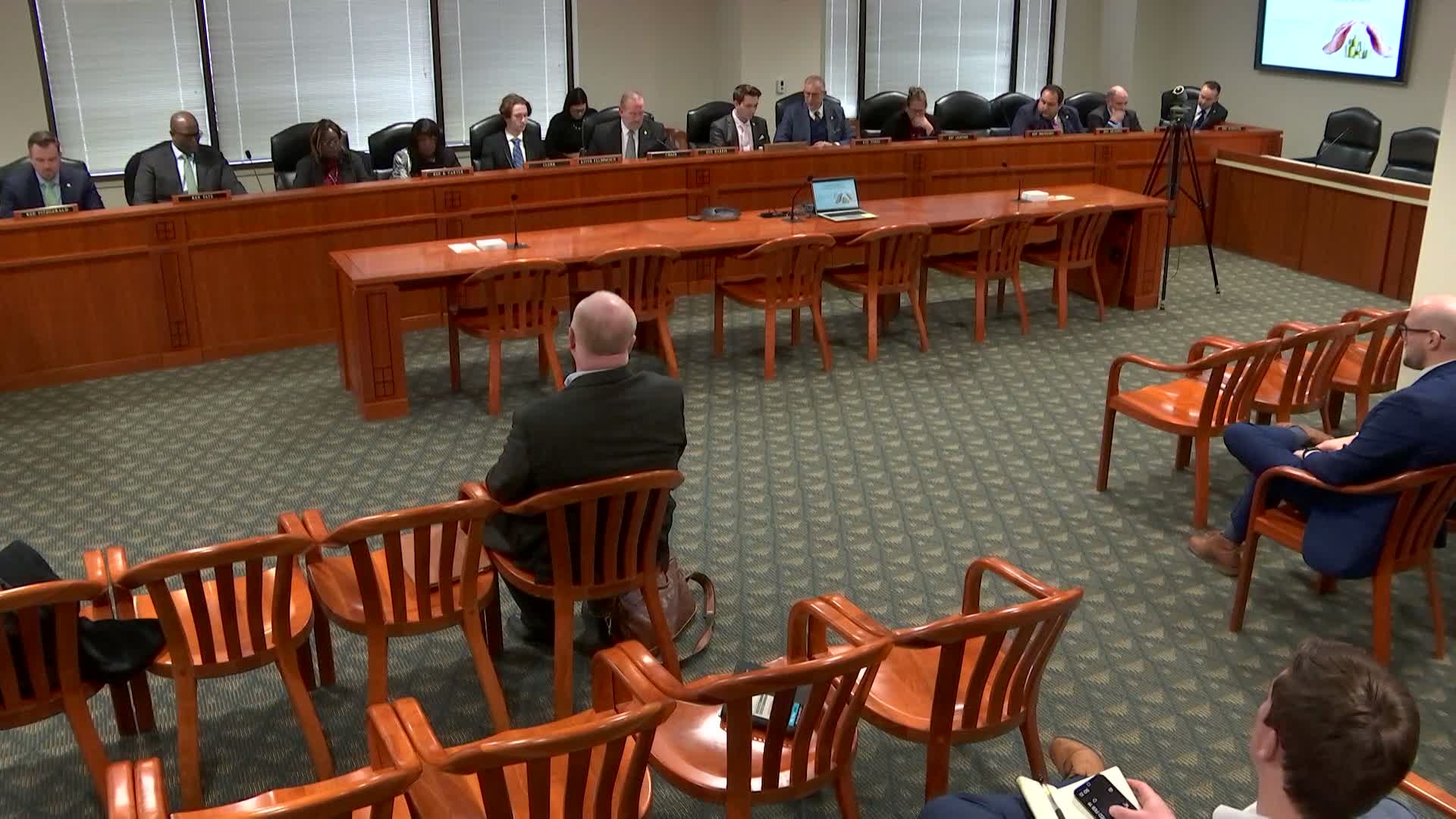
Tom Humphreys, director of the Insurance and Risk Management program at Michigan State University’s Eli Broad College of Business, told the House Insurance Committee that insurance functions as “a financial safety net” and walked members through underwriting, premiums, deductibles, claims and reinsurance.
Tom Humphreys, director of the Insurance and Risk Management program at Michigan State University’s Eli Broad College of Business, gave the House Insurance Committee a roughly hour-long “Insurance 101” overview, telling members insurance is “a financial safety net” and explaining underwriting, premiums, deductibles, policy limits and claims handling.
Humphreys described insurance as a risk-transfer tool that “facilitates commerce” by allowing individuals and businesses to avoid holding large reserves against rare but costly events. He summarized how insurers pool risk under the “law of large numbers,” use underwriting to limit adverse selection, and rely on actuaries to set premiums. He also noted the role of the Department of Insurance and Financial Services (DIFS) in reviewing rates to ensure they are not “excessive, inadequate or discriminatory.”
On coverages, Humphreys outlined standard elements of auto and homeowners policies — liability, collision, comprehensive/“other than collision,” uninsured/underinsured motorist coverages, dwelling and contents coverage, liability and loss-of-use (additional living expenses). He cautioned there is no such thing as “full coverage” and said policyholders should read their contracts and report claims promptly. On life insurance, he advised buying earlier when possible because premiums generally rise with age and health changes.
Members asked several practical questions. Representative John Fitzgerald raised deductibles and consumer expectations, noting small claims (for example, a $1,400 side‑mirror repair) can exceed common deductibles; Humphreys said agents are having conversations with policyholders about raising deductibles to save premium but stressed that the trade-off depends on each household’s loss history and ability to pay out-of-pocket.
On whether big losses in California or Florida affect Michigan rates, Humphreys explained insurers use reinsurance — “it’s insurance for an insurance company” — and that catastrophic losses in other regions can drive higher reinsurance costs, which filter through to insurers and ultimately to consumers nationwide, including Michigan.
A member asked how a potential beneficiary can find out whether they are listed on a deceased person’s life policy. Humphreys described two tools: the National Association of Insurance Commissioners’ (NAIC) policy locator service (a voluntary industry tool) and Michigan’s Department of Insurance and Financial Services portal, which runs monthly queries to admitted Michigan carriers and can notify listed beneficiaries when a policyholder is deceased.
Humphreys repeatedly emphasized that insurance is contract-driven — policies have limits, exclusions and deductibles — and that regulators audit claims-handling and company solvency to protect consumers. He offered to return for future, more detailed briefings on topics members identify.
“There is no such thing as full coverage,” Humphreys said, paraphrasing a point he repeated to underscore the need for consumers to read their policies.
The presentation lasted through member questions and concluded before the committee adjourned.