Get Full Government Meeting Transcripts, Videos, & Alerts Forever!
Get email alerts on the Higher Education topic
No spam. Unsubscribe anytime.
USC president tells House subcommittee system is "thriving," cites enrollment, research and internship gains
Summary
University of South Carolina President Michael Amiridis told the South Carolina House Higher Education Subcommittee the university system is growing enrollment, research funding and internships while keeping tuition largely flat for in‑state students.
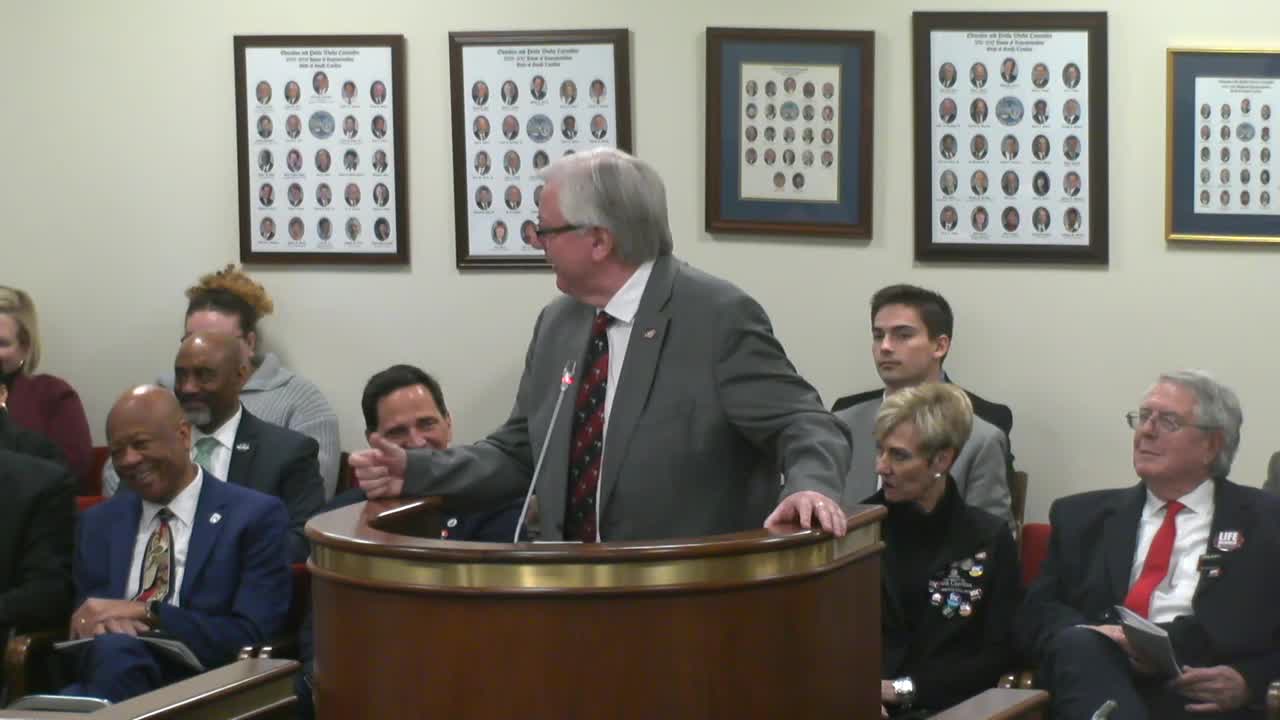
Michael Amiridis, president of the University of South Carolina, told the South Carolina House Higher Education Subcommittee that the university system is “thriving” despite what he described as a turbulent national higher education environment.
Amiridis spoke to the panel in a briefing intended to provide lawmakers a high‑level overview of the system’s recent performance and priorities. He said state policy decisions and university initiatives on access, affordability and career transitions have contributed to rising enrollment and research activity.
"We are in a period of turmoil in higher education across the country, and USC during this period is thriving," Amiridis said. He told the subcommittee the system is educating 54,000 students statewide, with about 38,300 enrolled in Columbia, and that Columbia already had about 60,000 applications for next year’s freshman class.
Amiridis credited sustained tuition mitigation and need‑based scholarship programs for improving access. He said in‑state student tuition has been held at the same dollar amount for roughly six years while cumulative inflation in that period was about 25 percent, which he described as reducing the effective cost of attendance.
The president highlighted workforce and career‑readiness efforts, saying the system has expanded certificates and internship incentives that connect students to state employers. "In the last two years, we had approximately a thousand students from the University of South Carolina who took advantage of the incentive and have worked with 300 corporations in 36 counties in the state," Amiridis said, adding that many students later took jobs where they interned.
Amiridis also noted a strong research year, reporting about $310 million in research awards, a roughly 27 percent increase from the prior year. He said the university is emphasizing energy and has earned a federal regional hub designation tied to CHIPS and Science Act opportunities for Greenville, Columbia and Orangeburg.
The president described recent private fundraising growth and named priorities for capital projects, saying the university expects to break ground on a new medical school and is prioritizing a neurological hospital and rehabilitation center. He told the committee the medical school project will be funded with a mix of state support and the university’s own resources and that the system will not borrow for the project.
Committee members asked general questions only, consistent with the subcommittee’s stated goal of receiving a 40,000‑foot briefing rather than engaging in policy debate. Representative Tim McGinnis, who chaired the session, and other members welcomed Amiridis and thanked trustees and system chancellors who attended.
Amiridis said the system’s goal is to retain graduates in South Carolina, citing a student poll he described in which 76 percent of respondents indicated they wanted to stay and work in the state. He also emphasized the degree‑to‑career transition work and the role of partnerships with the General Assembly and state employers.
The session closed with the committee thanking the president for the briefing and inviting follow‑up conversations on specific policy or project questions at a later time.
Sources: Remarks by Michael Amiridis, President, University of South Carolina, and questions from members of the South Carolina House Higher Education Subcommittee during the public briefing.