Get Full Government Meeting Transcripts, Videos, & Alerts Forever!
Get email alerts on the Electric Trucks Weight Exemption topic
No spam. Unsubscribe anytime.
Subcommittee advances bill letting electric semis use same state weight allowance as natural-gas trucks
Summary
The Transportation Subcommittee advanced H.3944 after testimony that the bill would give battery-powered class 8 trucks the same limited state weight allowance currently available to natural-gas trucks, aligning with a 2019 federal exemption and similar laws in other states.
The Transportation Subcommittee on Education and Public Works gave H.3944 a favorable report after testimony from a Tesla representative and the South Carolina Trucking Association. The bill would allow battery-powered class 8 trucks to receive the same limited weight allowance that the state currently grants to natural-gas trucks, aligning state policy with a federal 2019 exemption for federal roadways and similar laws in more than 20 other states.
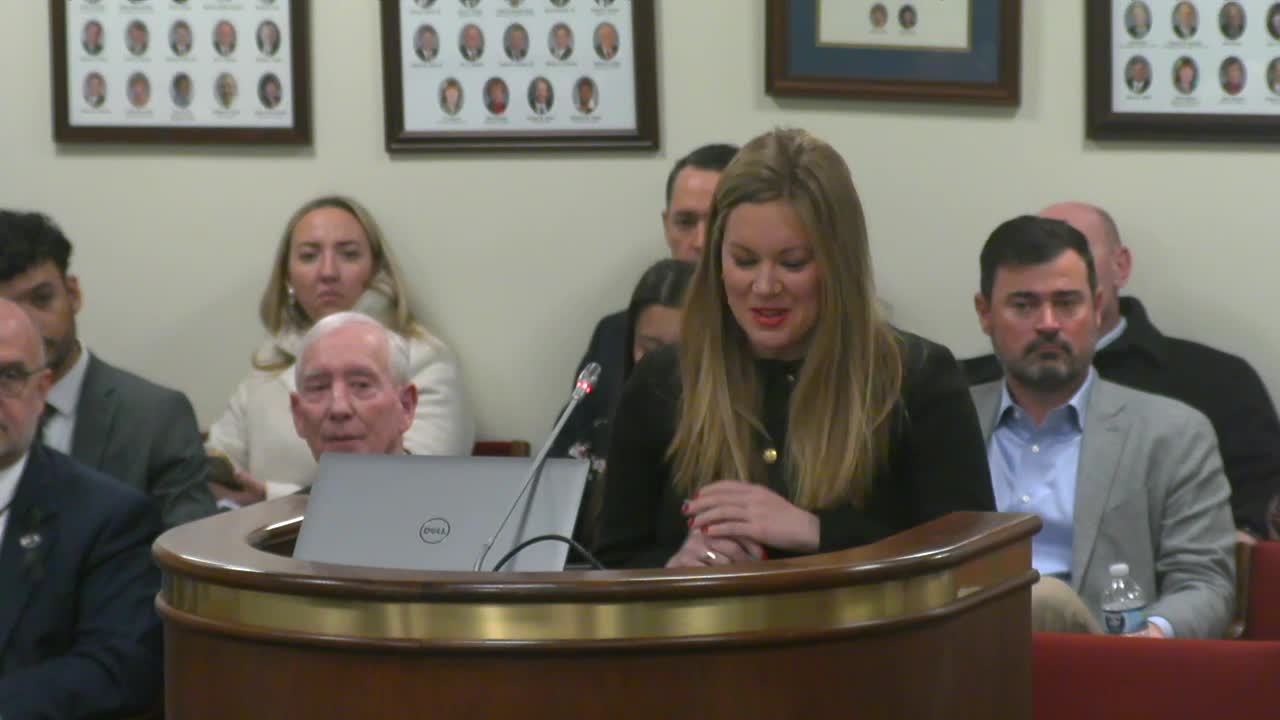
Caroline Delaney, testifying on behalf of Tesla, said the company makes an all-electric class 8 truck (the Tesla Semi) and is building a manufacturing facility that the witness said would produce 50,000 class 8 trucks annually. "Tesla supports H3944 and is very appreciative of sub chair Vaughn and chairwoman Erickson for sponsoring this bill that provide battery powered trucks with the same limited weight allowance that natural gas trucks are eligible for in South Carolina," Delaney said.
Delaney told the panel most Tesla Semis today operate on the West Coast but that wider adoption is expected as manufacturing scales. She said there are two range options and that one configuration offers about 503 miles; she also said a truck could obtain up to 70% of its range within about 30 minutes at appropriate high-power chargers.
Representatives raised concerns about creating a carve-out for a single manufacturer and about road wear from heavier vehicles. Rick Todd, president and CEO of the South Carolina Trucking Association, explained the difference between interstate federal rules and state authority over non-interstate roads and described existing tools such as permits and ad valorem "road use" fees administered by DMV. "The federal law governs what you can allow, what the states can allow on the interstate system. State law governs every other road," Todd said, adding that the General Assembly commonly grants size and weight exceptions to encourage particular sectors.
Representative Lee Gilreath recorded the only no vote on the motion; the chair announced H.3944 received a favorable report with six ayes and one no. Supporters said the provision helps ports and short-haul freight operations and would be technology-neutral in effect (the bill text does not name a single manufacturer). Opponents and questioners urged attention to charging infrastructure, permitting and fiscal impacts tied to heavier equipment — issues witnesses and members recommended be tracked as the bill moves forward.