Get Full Government Meeting Transcripts, Videos, & Alerts Forever!
Get email alerts on the Voter Registration topic
No spam. Unsubscribe anytime.
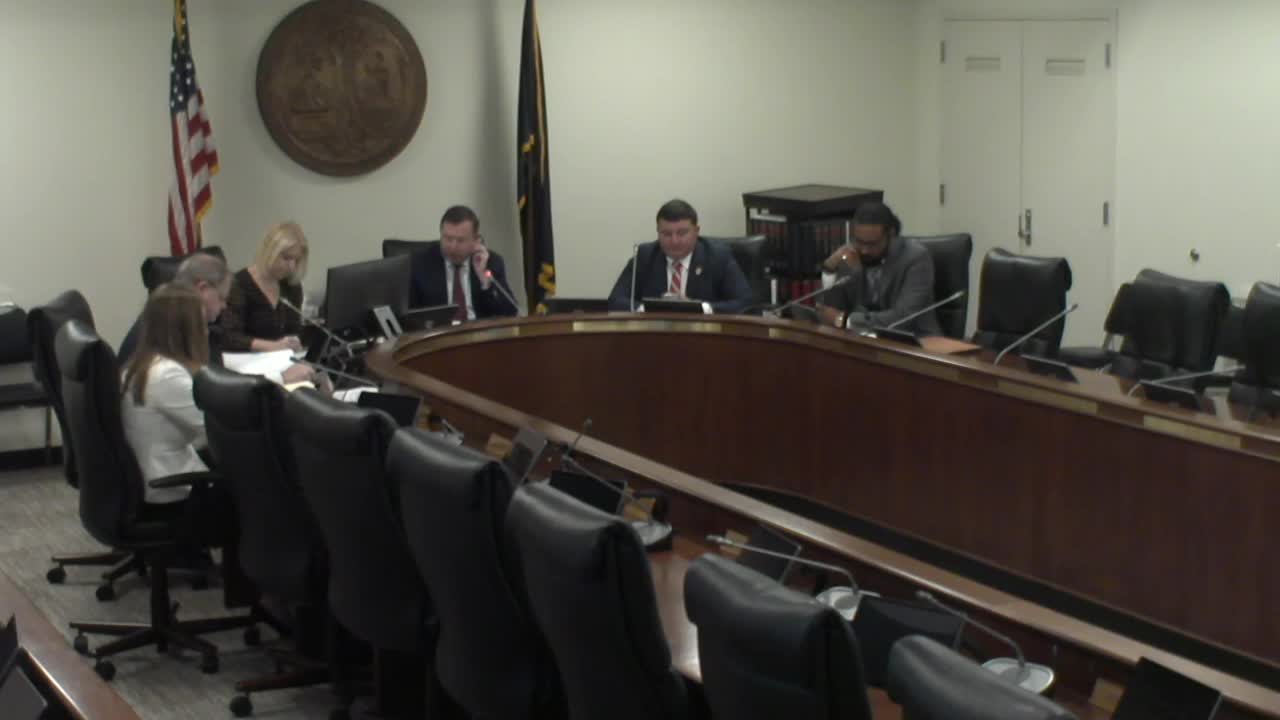
Public input split as subcommittee discusses H.3459, a bill to register third‑party voter-registration organizations
Summary
H.3459 would require third-party voter-registration organizations to register with the State Election Commission, expand data sharing, add ID fields to applications and increase penalties; the subcommittee heard extensive public testimony and did not take action before adjournment.
The Constitutional Law Subcommittee heard lengthy testimony for and against H.3459, a bill that would require third-party voter-registration organizations to register with the State Election Commission, expand data sharing among government agencies, add driver license and state ID numbers to voter-registration forms (not for public inspection) and raise penalties for false attestations.
Representative Weston Newton, sponsor of the bill, framed H.3459 as an effort to “ensure that election integrity is a priority” and said the proposal places South Carolina among states that provide oversight of third-party registration groups. Newton summarized four main elements: (1) require third-party voter-registration organizations to register with the State Election Commission, (2) tighten the domicile definition for voter purposes, (3) require regular data sharing (including a quarterly report from summary courts about sworn statements indicating noncitizenship) and (4) add driver-license or state-ID information to registration applications while preserving confidentiality.
Newton said he would offer Amendment 1 to add local governments to the list of agencies that must cooperate with the State Election Commission and to preserve the current practice of collecting full Social Security numbers rather than only the last four digits for verification. He also said he would delay implementation to allow public education and that he planned a second amendment.
Public witnesses raised consistent concerns. A representative of the League of Women Voters of South Carolina said volunteer-led campus drives, churches and small civic groups provide valuable registration services and that the bill’s registration and fee requirements could discourage those groups. The American Civil Liberties Union of South Carolina said the bill would place “an undue burden on community and civic groups” and warned that fines would chill participation. Community organizers and civic groups, including Carolina for All Educational Foundation, Be The Ones and former leaders of the NAACP youth and college division, urged the committee not to adopt measures that would make registering voters more difficult.
Newton replied that no provision was intended to chill registration and suggested fines could be discretionary; he also said the state should preserve public trust by ensuring organizations understand eligibility rules. Representative Bamberg and Representative Wetmore expressed concerns about unfunded local mandates should data-sharing requirements be imposed on local governments; Wetmore specifically noted the burden for part-time local clerks who would be asked to compile jury-questionnaire-derived reports.
The subcommittee did not vote on H.3459; the chair noted the panel had reached the 10:00 hour and could not take action under committee rules. Newton said he would continue to refine amendments and bring stakeholders back at a later time.