Get Full Government Meeting Transcripts, Videos, & Alerts Forever!
Get email alerts on the Alc Omv Rules Update topic
No spam. Unsubscribe anytime.
Administrative Law Court and OMV propose mainly grammatical rule updates, minor substantive timing changes
Summary
Chief Judge Anderson presented proposed amendments to the Administrative Law Court and Office of Motor Vehicles rules, saying most edits are grammatical and formatting improvements with a few limited substantive clarifications.
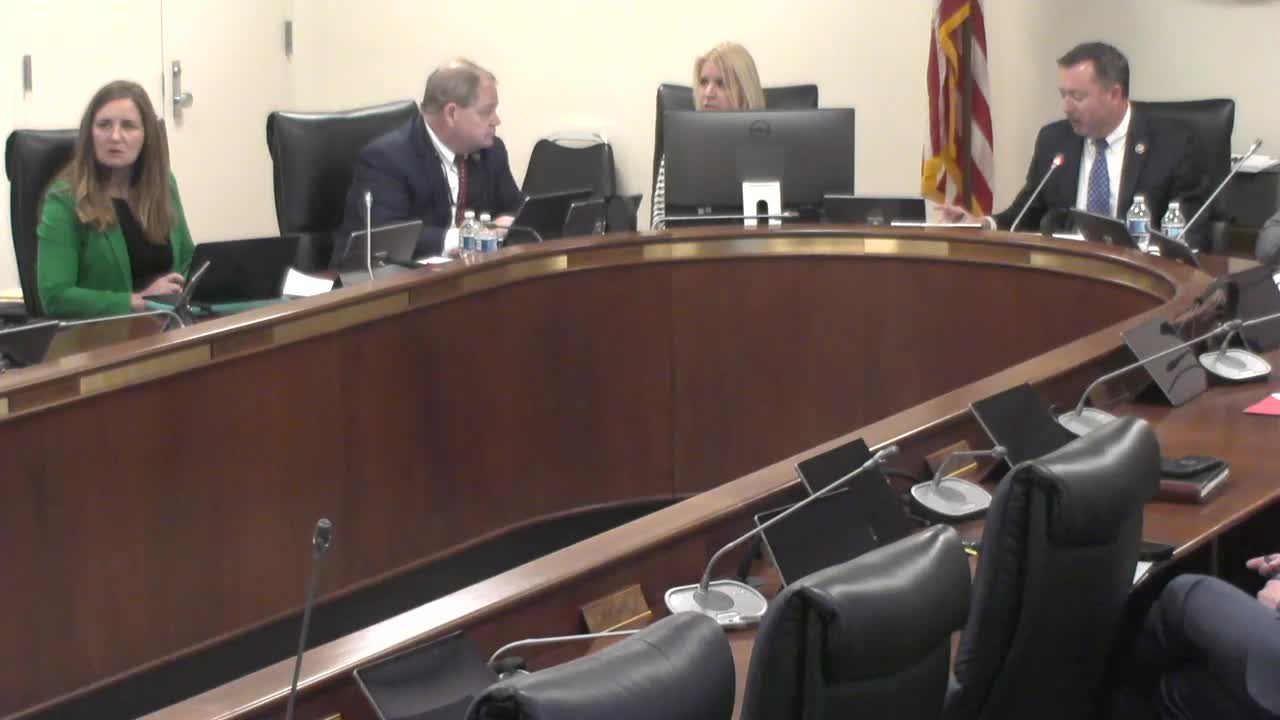
Chief Judge Anderson presented proposed amendments to the Administrative Law Court (ALC) and Office of Motor Vehicles (OMV) rules of procedure, telling the House Judiciary Committee's Constitutional Law Subcommittee most edits were grammatical or formatting changes and that only a few modest substantive changes remain.
Anderson said the rule packet runs about 35 pages but “really it's not” a major overhaul; he described the work as largely grammatical cleanup performed by a departing staff attorney and said substantive items focused on improved clarity for practitioners. “We've moved motions into one rule,” Anderson said, explaining consolidation should make locating and applying motion practice easier for lawyers who do not regularly appear before the court.
On substantive items, Anderson highlighted three areas: (1) consolidation of motion practice into a single rule for clarity; (2) a clarification encouraging parties to file motions for reconsideration before filing a notice of appeal so the court has an opportunity to correct errors; and (3) expansion of temporary e-filing for attorneys. For OMV procedure, Anderson said the primary substantive change was narrowing the response time to five days so the response period aligns with overall filing timelines for OMV hearings.
Representative Bamberg and members of the subcommittee asked questions about substantive effects. Anderson said the motion-reconsideration clarification is meant to reduce unnecessary appeals and to give the court a chance to correct mistakes without appellate intervention. He also described incremental e-filing rollouts already underway and asked practitioners to provide input as rules are implemented.
No formal committee action was recorded on the ALC or OMV rule proposals; the chair reiterated that, as with the family-court submission, the committee is on the statutory timeline and would take the materials under advisement. Anderson invited further input from committee members and practitioners on procedural operations and implementation.