Get Full Government Meeting Transcripts, Videos, & Alerts Forever!
Get email alerts on the Political Parties topic
No spam. Unsubscribe anytime.
Subcommittee endorses H.3556 to centralize primary-protest hearings and allow $750 bond option
Summary
The subcommittee gave H.3556 a favorable report; the bill would send county primary-protest hearings directly to state executive committees and permits parties to require a $750 bond for protests.
The Constitutional Law Subcommittee voted unanimously to give a favorable report to H.3556, a bill that would change how primary protest hearings are handled and allow political parties to require a bond to deter frivolous appeals.
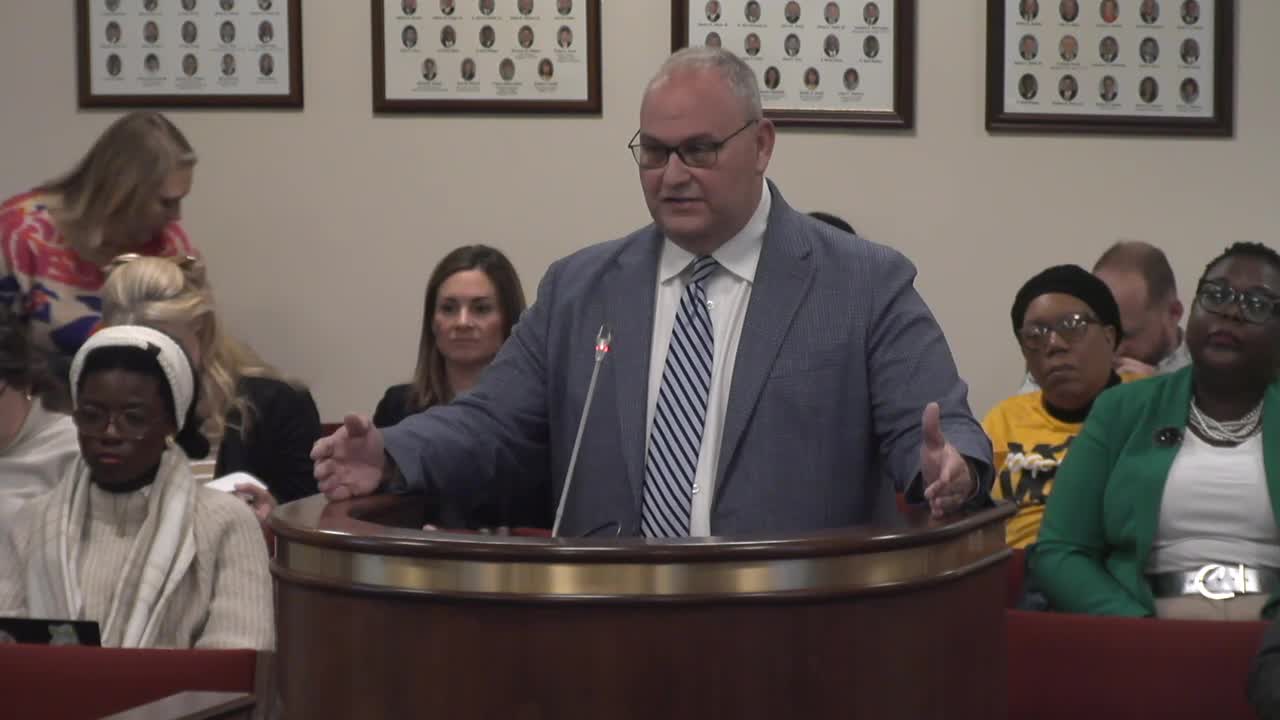
Representative Brandon Newton, sponsor of H.3556, described the measures as “technical changes” to address abuses in the existing primary-protest process. Among the changes, Newton said the bill would allow primary protest hearings that now occur at county executive committees to be taken directly to the state executive committee, to avoid duplicated hearings. He said the bill also permits state parties to charge a $750 bond for protests; Newton and witnesses said the bond would be refundable to a protester who prevails but would deter frivolous appeals.
Drew McKissick, a Republican party official who testified in favor, said county committees often include people with close local ties who may be perceived as biased and that state executive committees “have more experience and are less biased.” J. Parmley, executive director of the South Carolina Democratic Party, also supported the change, saying the state committee often ends up hearing appeals from every county and that centralizing appeals would reduce duplicated effort.
Newton said the bill would also codify that appeals from state executive committee decisions may be taken to the South Carolina Supreme Court, a practice he described as already happening in practice.
The committee clerk recorded a roll call: Representative Jordan — aye; Representative Bamberg — aye; Representative Mitchell — aye; Representative Brandon Newton — aye; Representative Wetmore — aye. The clerk recorded five votes in favor and ordered a roll-call favorable report.
Committee members and witnesses discussed finer points — including whether the bond should be mandatory — and Newton said he would leave that choice to the parties but expected his party’s executive committee would favor a mandatory bond.