Get Full Government Meeting Transcripts, Videos, & Alerts Forever!
Get email alerts on the Apprenticeship And Licensure topic
No spam. Unsubscribe anytime.
Committee to fix apprenticeship ‘loophole’ for electrician licensure; bill requires completion of related instruction
Summary
House Bill 4 97 clarifies that applicants for journeyman electrician licensure must complete both 8,000 hours of on‑the‑job training and an approved apprenticeship program (related instruction), closing a statutory gap that allowed some applicants to seek testing without completing their apprenticeship schooling.
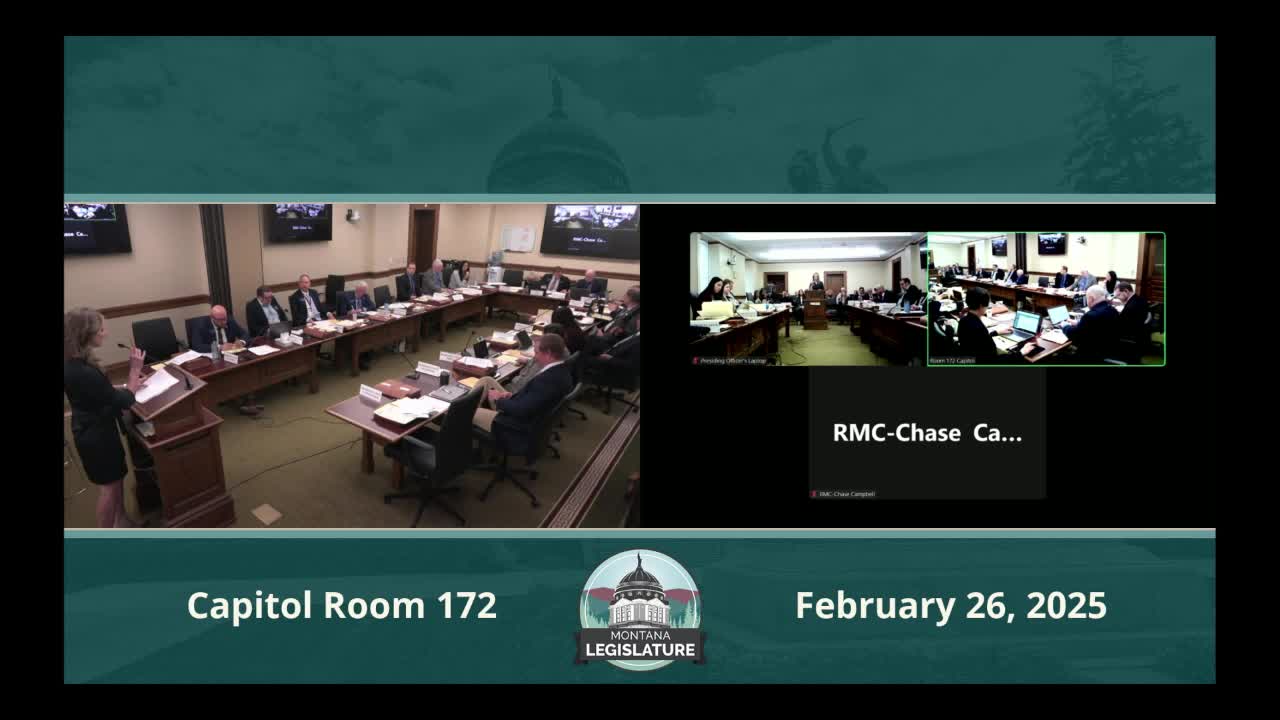
Representative Jennifer Lynch presented House Bill 4 97 to revise occupational licensing law for electricians so applicants must complete both the required on‑the‑job hours and the related, approved apprenticeship instruction before qualifying to sit for the journeyman exam.
Margaret Morgan of the Montana Independent Electrical Contractors, Clay Ledbetter (master electrician) and other apprenticeship stakeholders said current statute creates a loophole that allowed individuals with 8,000 hours of on‑the‑job experience but without completion of the approved related instruction to apply for licensure testing. Morgan and Ledbetter described the related instruction and safety training as integral to producing competent journeyman electricians and urged passage to preserve apprenticeship integrity.
Commissioner Sarah Swanson of the Department of Labor and Industry said the department and stakeholders moved quickly to produce the statutory fix after identifying the issue; she emphasized that the change protects public safety by ensuring apprentices complete both practice hours and the approved educational components. The International Brotherhood of Electrical Workers and the Montana State Building Construction Trades Council supported the bill.
Representative Lynch requested a due‑pass; the committee chair announced the bill would be placed on the board for executive action.
Ending: After proponents testified and the commissioner answered questions, the sponsor asked the committee to advance the bill and the chair placed House Bill 4 97 on the committee board for executive action.