Get Full Government Meeting Transcripts, Videos, & Alerts Forever!
Get email alerts on the Cannabis Edibles Regulation topic
No spam. Unsubscribe anytime.
Montana committee hears competing views on limits for cannabis edibles; sponsor seeks 5 mg serving
Summary
A Montana House Business and Labor hearing on House Bill 6 36 drew supporters who said smaller servings and less “dessert-like” packaging would reduce accidental ingestion and opponents who warned the changes would push consumers back to the black market and harm small cannabis businesses.
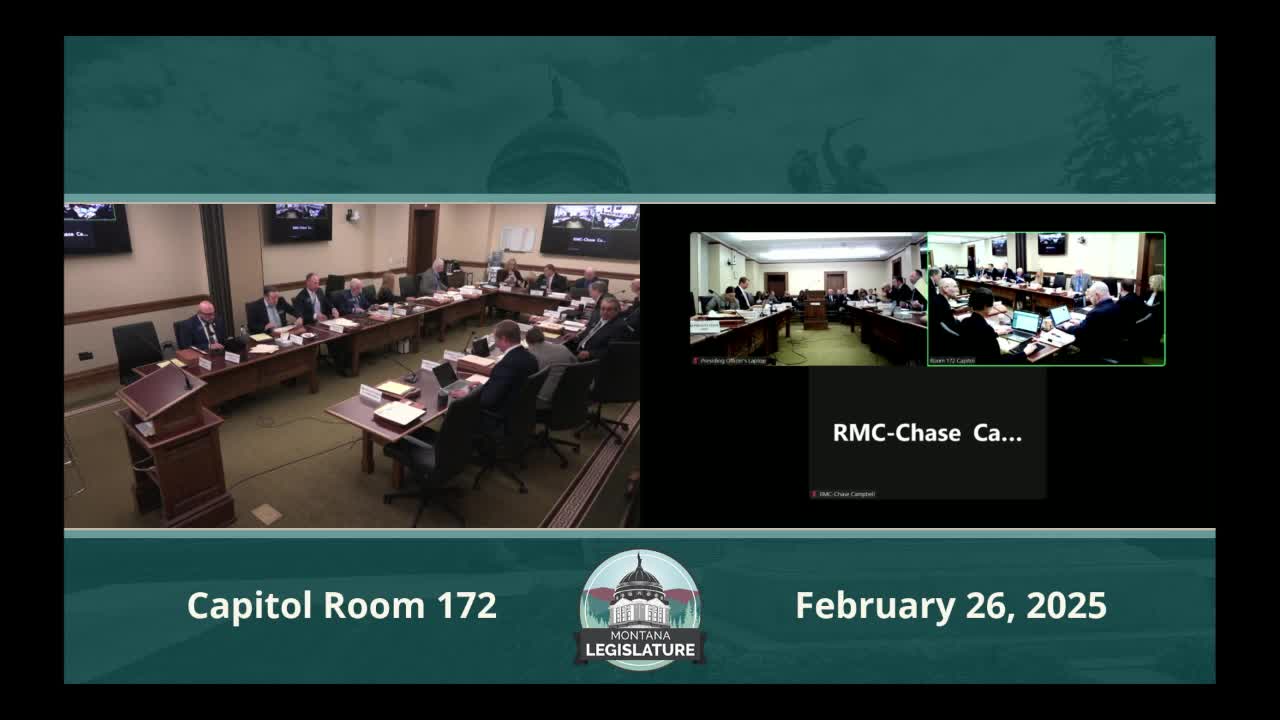
Representative Jody Etchart, sponsor of House Bill 6 36, opened a hearing in the House Business and Labor Committee to consider tighter limits on marijuana edible products, including lowering the per‑serving THC standard from 10 milligrams to 5 milligrams and restricting products that resemble everyday desserts.
Etchart said the bill aims to reduce accidental ingestion by children, pets and older adults and described several anecdotal incidents — including animals and an elderly woman who required hospitalization — to explain why she supports individual serving packaging and smaller doses. "We're simply ... asking to do the same thing here 1 to 1," Etchart said, describing the proposal to make one gummy equal one serving.
Proponents including Leanna Troesh of SAFE Montana and Colleen Smith of Youth Connections emphasized public‑health arguments. Troesh, an addictions counselor, testified lowering standard servings and restricting dessert‑style products would reduce poison control calls and emergency visits; she cited the National Institute on Drug Abuse definition of a standard THC unit and said several states already use a 5 mg serving standard. Smith said hospitalizations and ER visits for marijuana have risen in Montana for some youth age groups and urged members to back the bill to keep products clearly distinguishable from ordinary candies.
Industry witnesses and business groups strongly opposed the measures at the hearing. Pepper Peterson, CEO of the Montana Cannabis Guild, called the bill part of a coordinated effort to shrink the legal cannabis market, saying the changes would “drive consumers to the black market.” Operators including Joanna Barney of Sacred Sun Farms, Erin Bolster of Tamarack Cannabis and Andrew Gordon of Bloom Montana said licensed dispensaries already test and label products, use child‑resistant packaging, and that restricting formats (cookies, brownies, cupcakes) would harm small businesses and medical patients who rely on higher‑dose products. Bolster said many reported emergency visits result from homemade or illicit products rather than regulated dispensary items.
Kristen Barber, administrator of the Cannabis Control Division, and Kathy Wiegand Palmer, the cannabis laboratory program manager, appeared as informational witnesses and answered committee questions about current packaging and labeling rules, the 100‑mg maximum per package limit in Montana law, and the division's role in reviewing product packaging.
Committee discussion focused on the effect of changing per‑serving dose and on packaging logistics: sponsors said the bill reduces the serving size to 5 mg while keeping a 100 mg per‑package cap, which could yield more individually dosed pieces per package; industry witnesses said changing the standard would require substantial repackaging and could impede medical patients who need larger total doses. Several members asked proponents and the CCD for data and sources; Representative Etchart said she would provide reports from Montana agencies and poison control cited during testimony.
The committee did not take a final vote during this hearing. The hearing record includes detailed pro and con testimony, agency answers on current regulation and packaging limits, and a number of committee requests for cited studies and state data.
Ending: The committee closed the hearing on House Bill 6 36 after roughly two hours of testimony and questions. Members requested the sponsor and the Cannabis Control Division provide the cited Montana data and the MSU study referenced by opponents before any follow‑up action.