Get Full Government Meeting Transcripts, Videos, & Alerts Forever!
Get email alerts on the Education Finance topic
No spam. Unsubscribe anytime.
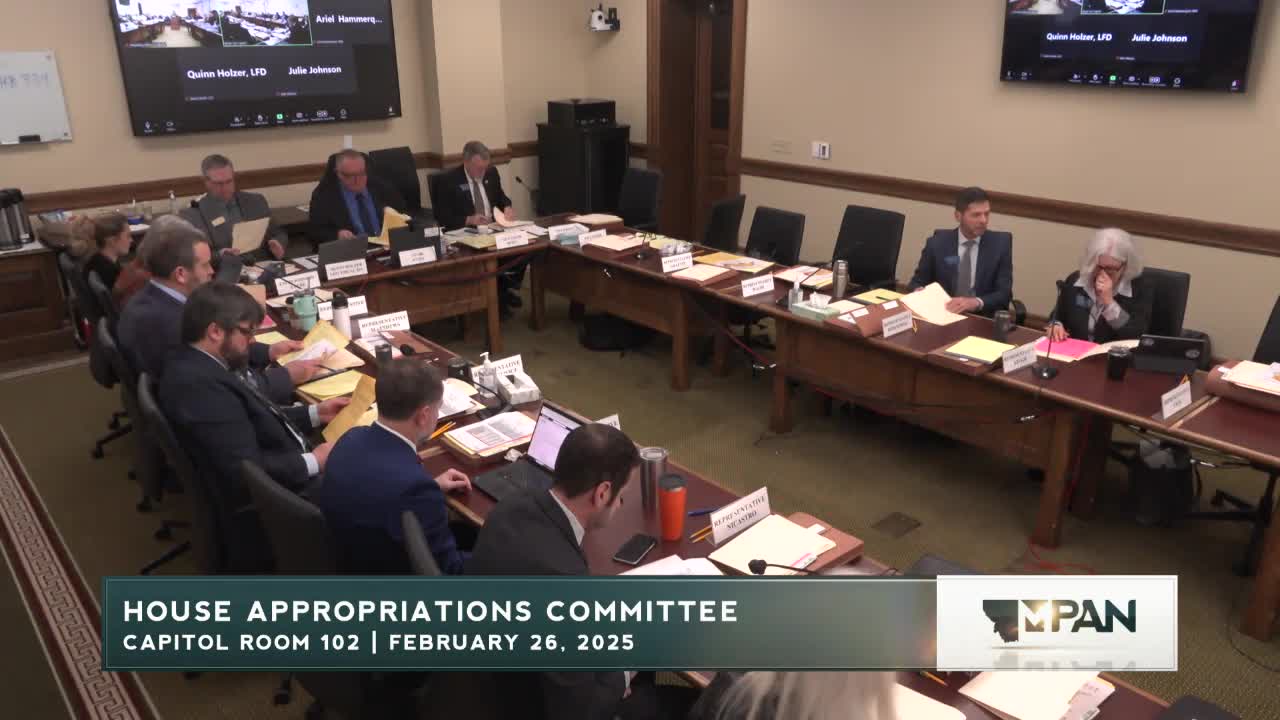
Lawmakers hear bill to fund sixth-grade career and technical education at higher rate
Summary
Representative Melissa Romano proposed funding sixth graders at a higher per‑pupil rate to expand middle‑school CTE offerings; supporters said the bill would incentivize districts while school officials urged adjustments to fiscal-note assumptions about how many sixth graders could immediately access expanded courses.
Representative Melissa Romano introduced a proposal to fund sixth-grade students at the same higher per‑pupil rate used for seventh and eighth graders to incentivize expansion of career and technical education (CTE) offerings beginning in middle school. Romano described her analysis of the bill's fiscal note and said a drafting error caused the fiscal office to use a 2024 figure instead of 2026 for a key rate, producing an overstated cost in her view: "On page 6 of the bill ... it says a maximum rate of 7,405 for fiscal year 20 24. And that's where, that's where the mistake happened. So the 2024 should say 2026."
School administrators and K–12 organizations generally supported the policy goal but asked the committee to consider implementation timing. Rob Watson of School Administrators in Montana told the committee the fiscal note assumes 98% of sixth graders attend accredited middle schools and that the note therefore assumes most sixth graders can immediately receive expanded course offerings. Watson said that while many districts are ready, others keep sixth graders in elementary self-contained classrooms and would need staffing, facility changes or time to offer new CTE sections.
Kim Popham of the Montana Federation of Public Employees and Lance Melton of the Montana School Boards Association testified in support, saying higher funding could help districts expand expensive programs, update curricula and reduce class sizes. Watson and Melton suggested a possible delayed effective date to give districts time to staff and reconfigure schedules; the sponsor said she would consider such an amendment.
Representative Romano emphasized the bill's goal of improving retention and career readiness, noting research she cited that reported a positive return on investment for CTE. The hearing closed after proponents spoke; no committee vote was taken.