Get Full Government Meeting Transcripts, Videos, & Alerts Forever!
Get email alerts on the Higher Ed Development topic
No spam. Unsubscribe anytime.
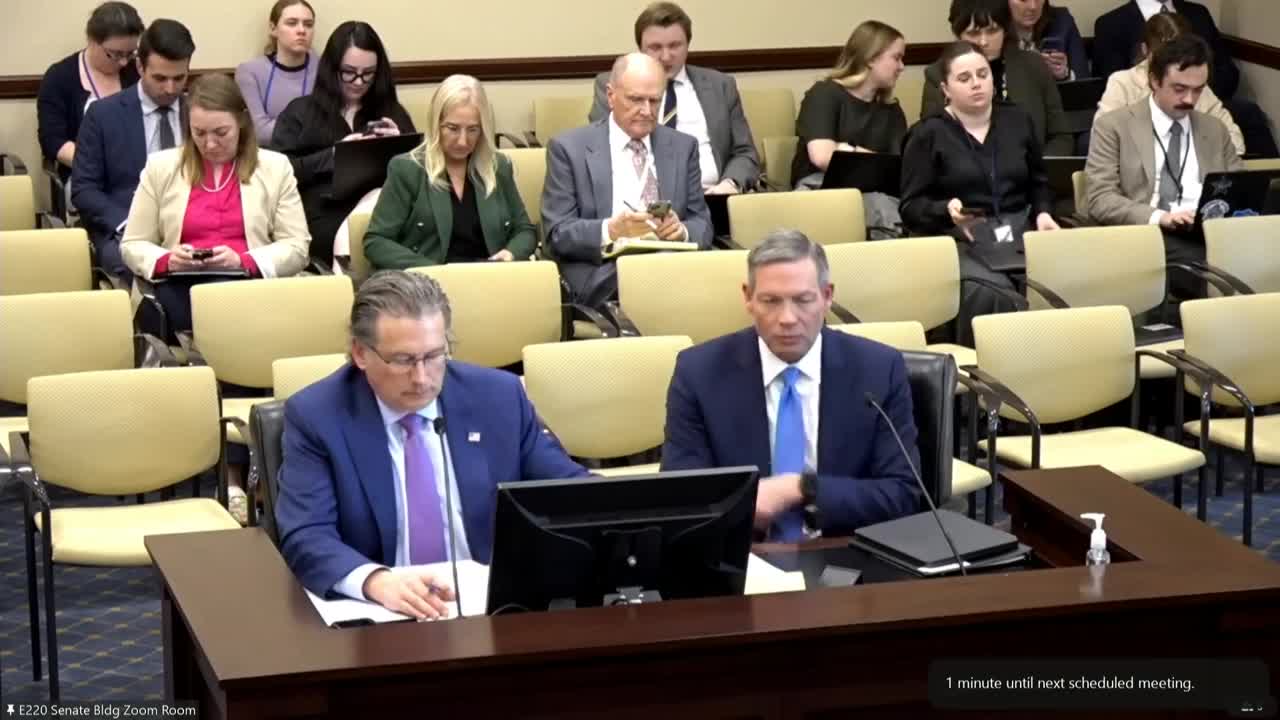
Senators debate pilot program allowing universities to capture development revenue on surplus campus land
Summary
Senate Bill 129 would let a public university designate a single higher-education development area on existing university-owned surplus land (75 acres or less) and capture 80% of privilege-tax revenue from the designated area; the committee discussed pilot limits, conflict-of-interest safeguards and immediate effective-date language.
Senate Bill 129, described in committee as a pilot program, would let a public higher-education institution designate a higher-education development area on university-owned surplus land and capture a portion of revenue generated by development there.
Senator (presenting) said the program is intended to let universities leverage revenue from development on surplus campus land to pay for capital projects, operations, maintenance and other institution priorities. Key constraints in the bill: the development area must be on property the university currently owns (not newly purchased land), the site must be 75 acres or less, and each institution may undertake only one project under the pilot. The bill sets an 80/20 split of privilege-tax revenue (80% to the university and 20% to the municipality or county) and prohibits overlapping designations with existing reinvestment projects, including HTRZs and other community reinvestment zones.
Process requirements in the bill include public notice and a public hearing with at least seven days’ advance notice and an estimate of expected revenue; the institution’s board of trustees may modify the plan after the hearing before adopting the designation. The bill requires periodic reporting to the Higher Education Appropriations Committee, allowing the Legislature to track revenues and uses.
Sponsor and staff said the committee considered an amendment to make the bill effective on the governor’s signature (immediate upon signature if the bill achieves the required supermajority), and committee members discussed conflict-of-interest safeguards to require board members to recuse themselves from decisions involving potential personal conflicts.
Committee discussion covered what types of projects this could include (sponsor cited student housing as a likely use), the restriction that designated land be existing university property, and the pilot nature of the program so one university might lead while others observe. Committee members asked whether the designation could overlap a HTRZ; staff and sponsor said the bill prevents overlap.
No final committee vote on SB 129 is recorded in the hearing transcript provided; sponsors asked to adopt a third substitute and discussed effective-date language but the transcript ends before recording a final committee action on the bill.