Get Full Government Meeting Transcripts, Videos, & Alerts Forever!
Get email alerts on the Cosmetology Licensing topic
No spam. Unsubscribe anytime.
Committee advances wide-ranging cosmetology licensing overhaul after hours of testimony
Summary
Senate Bill 330, a major rewrite of cosmetology licensing, earned a favorable committee recommendation after extended public comment and sponsor assurances that a substitute will address outstanding concerns about hours, grandfathering and high school programs.
Senate Bill 330, a comprehensive rewrite of cosmetology and related licensing, won a favorable recommendation from the Senate Business and Labor Standing Committee on Feb. 26 after hours of testimony from industry representatives, educators and regulators.
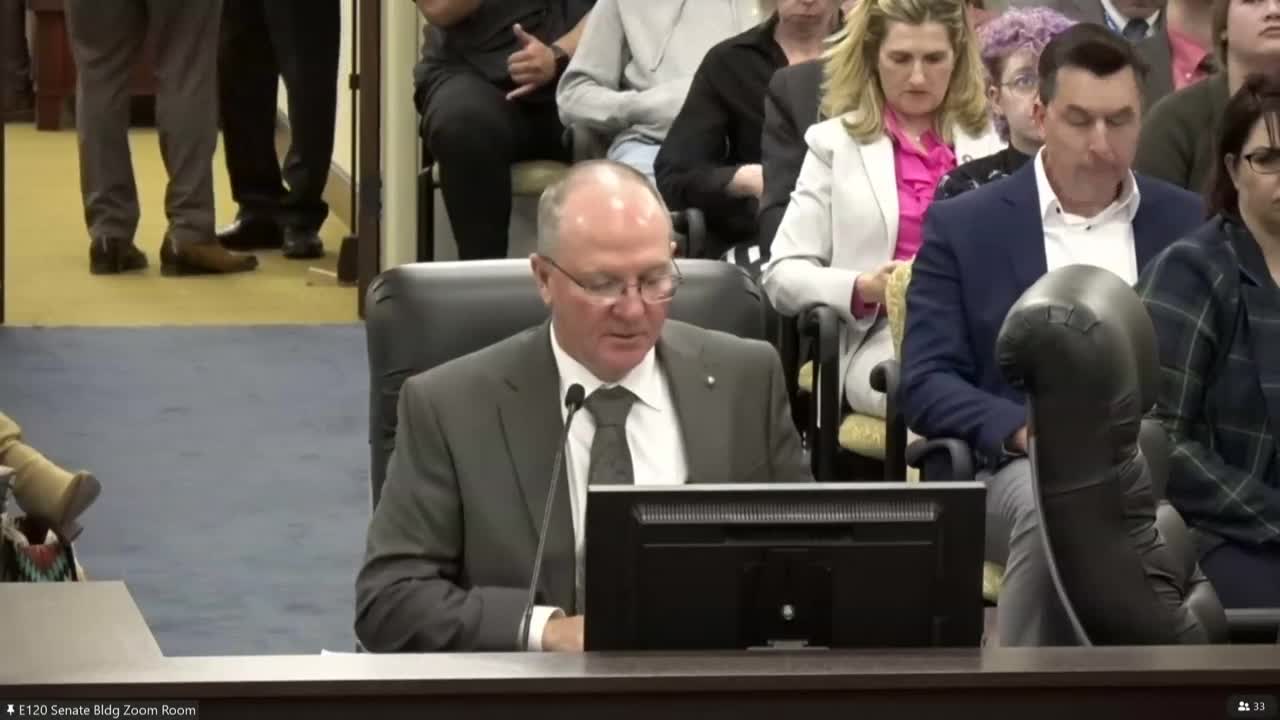
Senator John Sandle, the bill sponsor, described the proposal as the product of a year-long study by the Office of Professional Licensure Review (OPLER) and a legislative working group. “We tried to create a balance between what OPLER said was the minimum hours of safety…and licensing requirements above that for an overall cosmetology license,” Senator Sandle said. He told the committee the bill would create “safety permits” for narrower skills while preserving a fuller cosmetology credential at higher hours.
OPLER Director Jeff Shumway told the committee the office had surveyed licensees, held focus groups and recommended changes that prioritize consumer safety while increasing training flexibility. Shumway said the bill would require “a minimum number of service counts and minimum number of repetitions while under supervision in school on each skill for which they'll be licensed,” and argued that change would increase consumer safety.
Public testimony ran nearly an hour. Opponents from the barbering community warned a proposed 130‑hour pathway for haircutting-only barbering could lead to inexperienced practitioners entering shops and impose training burdens on established barbers. Richard Hite, a second‑generation barber, testified: “A barber needs to have the ability to hire somebody that they know has been trained. If they can't, they will lose their shops and they will close.” Dave Broderick, another barber, cited sanitation and the ability to identify health issues as reasons to keep higher training requirements.
Supporters — including salon owners, trade groups and some educators — said micro‑licensing and shorter pathways expand access to the industry and could lower costs for students. Jason Chipman of the Libertas Institute said the bill “doesn’t go far enough” but supported its move toward flexibility. Salon owner David Spadafore said his business could grow under the proposed 1,250-hour cosmetology path.
Several presenters pressed the sponsor to protect career and technical education (CTE) programs and existing school programs. Ben Dalton, superintendent of the Kane County School District in Kanab, said a section of the draft could prohibit high school students from enrolling in concurrent-enrollment cosmetology programs and asked for an exemption; Senator Sandle and OPLER acknowledged that concern and said language would be fixed in a substitute.
The committee voted to favorably recommend SB 330 but the chair recorded a no vote as a signal that the bill needs further work. Committee members and the sponsor repeatedly told the audience that a substitute bill is expected to address many of the drafting issues and grandfathering questions before floor consideration.