
Film tax credits become flashpoint as production community warns cuts will move work out of Connecticut
Get AI-powered insights, summaries, and transcripts
Sign Up Free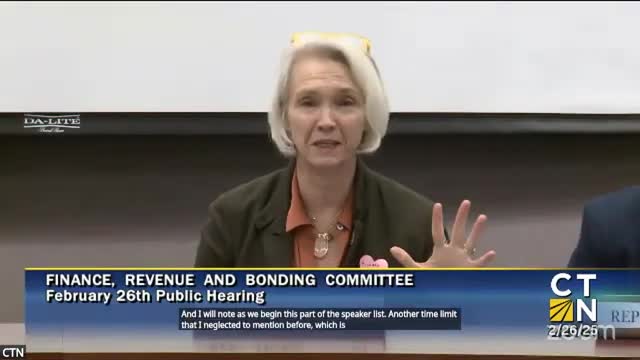
Summary
Producers, crews and local businesses told the committee that a proposed cut to the film/ digital media tax credit from 30% to 25% will cost jobs, stall local investment and send projects to neighboring states. Supporters of the cut framed it as a budget savings; opponents described projects already committed here and warned of immediate losses.
Hundreds of film‑industry workers, producers and local business owners pressed the Finance Committee to preserve Connecticut’s 30% film/digital media tax credit, saying a proposed reduction to 25% in the governor’s revenue bill would immediately make the state noncompetitive.
Voices in the hearing room included showrunners, location scouts, independent filmmakers, union leaders and small businesses that supply film crews. They described cases already in production here — commercials, TV series and feature films — and said the tax credit is a decisive factor when producers choose a state. Several witnesses said projects already in contract or prep could move to New Jersey, New York, Georgia or upstate New York if the credit is reduced.
Several speakers stressed the on‑the‑ground effects: producers said lower incentives translate to fewer shooting days and fewer local hires; crew members said it would reduce the chance of steady work and force many to seek jobs out of state; local small‑business owners said hotels and restaurants depend on production spending.
Supporters of the governor’s change argued the reduction is one of many ways to find budget savings and said the program should be structured to reward net new jobs. Opponents countered that reducing the credit would shrink the state’s film ecosystem and damage longer‑term efforts to build studios, rental houses and a trained local workforce.
What’s next: The committee will factor testimony into a detailed budget review. Industry groups pledged to supply state analysts with lists of at‑risk projects and an economic snapshot of local spending tied to productions.