Get Full Government Meeting Transcripts, Videos, & Alerts Forever!
Get email alerts on the Real Estate topic
No spam. Unsubscribe anytime.
Lawmakers weigh regulation of real‑estate 'wholesaling' after complaints about contracts and disclosures
Summary
Representative Zullo introduced legislation to license or regulate real‑estate wholesalers after public testimony described cases where vulnerable sellers signed contracts and later alleged unfair terms. Realtors and wholesaling businesses urged consumer disclosures and said licensing needs careful design to avoid unintended consequences.
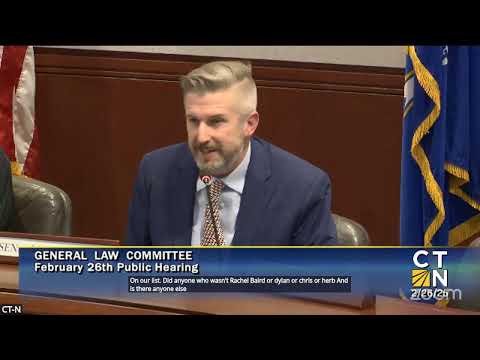
Connecticut lawmakers heard public testimony on proposed rules for so‑called real‑estate wholesaling — a practice in which an intermediary signs a purchase contract with a seller and then assigns that contract to an end buyer. Rep. Joseph Zullo urged the General Law Committee to regulate wholesalers to protect sellers who may be vulnerable or poorly informed.
Representative Zullo and others described scenarios where sellers accepted below‑market offers while the wholesaler retained an assignment fee or flipped the contract to an end buyer. Zullo said wholesalers are often unlicensed while real‑estate agents, attorneys and lenders are subject to licensing and oversight.
Real‑estate industry witnesses — including small buyers and investors and a representative of the Connecticut Realtors — said they do not seek to ban wholesaling but want clearer disclosures, a required “notice to sellers” form, and enforcement tools to address bad actors. The Realtors proposed criminal penalties for failure to disclose intent to wholesale and an ability for sellers to cancel contracts prior to closing if they were misled.
Smaller investors who testified said wholesaling is an exit strategy for distressed sellers, a way to close quickly when a traditional listing would not be practical, and that assignment fees commonly average about $12,000. They warned that a 10‑day rescission right or a rigid 70‑day closing requirement would impair legitimate transactions and could harm sellers who need quick, certain closings.
Committee members asked for balanced drafting. Witnesses and lawmakers agreed on the need for a working group to craft common disclosure language, a clear definition of a wholesaler and consumer protections that do not unintentionally block legitimate buyers or transfers.