Get Full Government Meeting Transcripts, Videos, & Alerts Forever!
Get email alerts on the Artificial Intelligence topic
No spam. Unsubscribe anytime.
Commissioners, lawmakers and industry spar over proposed AI law as Connecticut weighs transparency and economic risks
Summary
A long public hearing on Senate Bill 2, proposed Connecticut AI legislation, featured supporters calling for guardrails and workforce investment and critics warning of costly, early regulation that could chill local innovation. Testimony ranged from state commissioners to labor, business and technology trade groups.
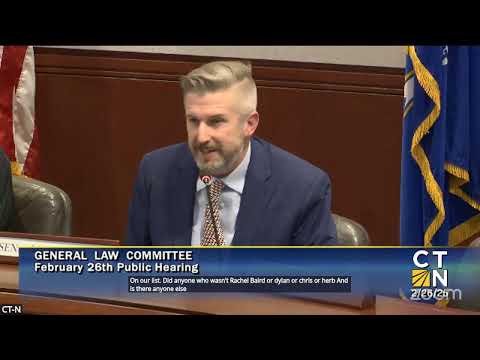
A committee hearing in Connecticut on Senate Bill 2 — a proposed state law that would set requirements for the development and deployment of artificial‑intelligence systems — drew contrasting views on whether the state should impose new regulatory obligations or limit action to workforce, data and outcome protections.
Supporters urged rules that require transparency, bias testing and post‑use explanations when AI affects housing, hiring, health care or insurance. Skeptics, including some state economic development officials and industry groups, said the bill's compliance costs and broad definitions of regulated systems risk deterring investment and innovation.
Commissioner Dan O'Keefe of the Department of Economic and Community Development told the committee he broadly supports the bill's economic development and workforce elements but urged removing or narrowing Sections 1–10, the measure's regulatory core. “I do believe we are in the early innings of a technology revolution,” O'Keefe said, and urged caution so Connecticut does not “become the only state in the region that resists” innovation.
Senator Maroney, sponsor and co‑chair of the committee, said the bill aims to protect consumers where AI makes consequential decisions while also promoting education and an AI sandbox for testing. Labor groups including the Connecticut AFL‑CIO asked for stronger worker protections and a role for unions in public‑sector AI uses. Technology trade groups, including TechNet, supported the bill's workforce proposals but urged narrowing definitions and protecting proprietary model information.
Several witnesses — from a coalition representing small AI firms to national policy institutes — debated the right timing and scope for regulation. Critics warned the state's approach could inadvertently favor large incumbents that can absorb compliance costs, while supporters said limited, state‑level action is needed now in the absence of federal rules.
The committee did not take a vote at the hearing. Members signaled further drafting and follow‑up meetings with stakeholders to refine definitions of "consequential decisions" and the thresholds that trigger transparency, testing and reporting obligations.