Get Full Government Meeting Transcripts, Videos, & Alerts Forever!
Get email alerts on the Animal Services Funding topic
No spam. Unsubscribe anytime.
Charleston County committee presses for itemized billing, stalls stopgap payments to Charleston Animal Society
Summary
County council members said they will not resume large stopgap payments to the Charleston Animal Society without itemized invoices and clearer contract terms; staff and the county attorney said a negotiated contract and a meeting with the society’s lawyer are scheduled next week.
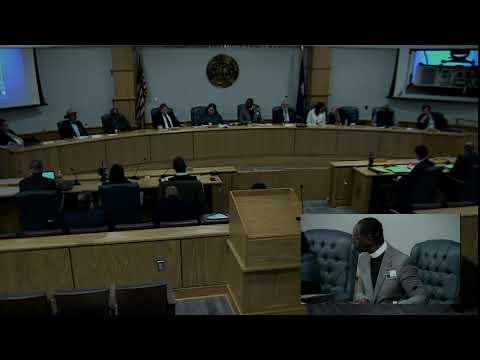
Charleston County Council’s special finance committee discussed the county’s relationship with the Charleston Animal Society during a Feb. 25 meeting, but took no final funding vote.
Committee members said they will not resume broad stopgap payments to the nonprofit without receiving itemized invoices showing animals and services by municipality, and without clearer contract provisions. County staff and the county attorney told the committee they have a proposed contract under review and will meet with the society’s attorney next week to continue negotiations.
Why it matters: council members said the county’s prior contract, in place since about 2019, paid a flat monthly amount regardless of services received and left auditors unable to trace spending. Several members said taxpayers deserve line‑item accountability before the county resumes payments.
County staff described the current status as negotiation rather than a final agreement. The administrator told the committee that the county received a redlined draft from the society and that staff have been reviewing it; a meeting with the society’s attorney is scheduled for the coming week. Staff and the county attorney said the society provided documentation the county requested, including per‑animal pricing and historical intake data disaggregated by jurisdiction, but committee members said some county copies conflicted with versions the society provided and that staff are clarifying that discrepancy.
Multiple council members urged the society to produce itemized invoices for the work it already performed so staff can audit and present those bills for payment. An auditor’s preliminary estimate shared with the committee put a potential monthly funding range roughly between $34,000 and $40,000 based on recent data; several council members contrasted that number with past monthly payments that had been as high as $200,000.
Committee members also discussed alternatives and interim arrangements. The administrator reported an interim arrangement with a separate nonprofit, Pet Helpers, under which county animal control officers have taken animals and Pet Helpers has provided detailed, itemized invoices. Committee members praised Pet Helpers for producing reconciled worksheets and argued that a contract with measurable reporting requirements should be the standard for any provider.
No formal motion to approve funding for the Charleston Animal Society passed during the session. Instead, the committee identified next steps: staff will continue negotiating contract language with the society’s attorney, request and review itemized invoices for past services, and consider an interim arrangement that ties payment to verifiable, line‑item records. Committee members said they expect to revisit funding after the staff review and the scheduled attorney meeting.
Several council members emphasized they are unwilling to repeat the prior flat‑payment arrangement without safeguards, and that any interim payment should be accompanied by explicit reporting and disaggregation by source municipality so the county pays only for services rendered for unincorporated Charleston County residents.
The discussion included references to an audit and to prior meetings facilitated by Councilman Darby; no ordinance, grant, or other formal action regarding the Animal Society was approved at that meeting.