Get Full Government Meeting Transcripts, Videos, & Alerts Forever!
Get email alerts on the Immigration Enforcement In Schools topic
No spam. Unsubscribe anytime.
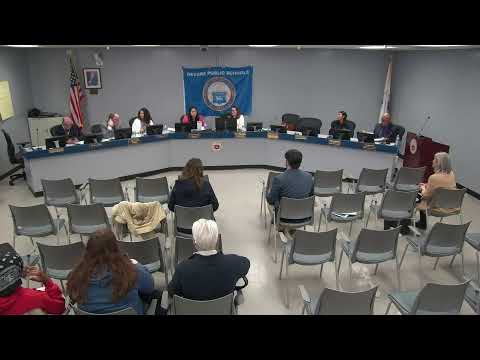
School committee rejects safe-haven resolution after hours of public testimony
Summary
The Revere School Committee voted down a proposed "safe haven" resolution after extensive public testimony and committee debate, rejecting a motion meant to publicly reaffirm district protections for students on immigration-related matters.
The Revere School Committee voted down a proposed "safe haven" resolution after public testimony from students, families and community members and a lengthy discussion among committee members.
The motion to adopt the resolution, which the sponsor described as a restatement of existing law and district policy, failed on a roll-call vote in which two committee members voted yes and three voted no. The committee received more than 30 written submissions in support of the resolution ahead of the meeting, and several students and family members urged adoption during the public comment period.
The resolution's supporters said a public statement would reassure students who described fear and anxiety about immigration enforcement. "By establishing our district as a safe haven, we can empower every student to reach their full potential and create a truly welcoming environment for all," said Julia Figueroa, who identified herself as a Revere resident, during public comment. Student Saucibel Mendoza, who described a family home raid when she was an infant, told the committee: "This type of experience is extremely traumatizing to anyone... I'm speaking out for the passage of the resolution."
Opponents warned that the phrasing and public proclamation could draw attention to the students the resolution aims to protect. "I am concerned ... that we will place a strobe light on the very people we're trying to protect," said School Committee member Ayesha Milbury Ellis, who voted against the measure. Milbury Ellis said the protections the resolution restated already exist under federal and state law and voiced concern that a public declaration could lead to protests or media attention that might harm families.
Committee debate included a mix of procedural and substantive points. Supporters, including School Committee member Jacqueline Monterosso, said the resolution would publicly reaffirm legal protections and signal solidarity with affected families. "We are called to be bold and courageous leaders to ensure a safe and welcoming environment for all students," Monterosso said in support of the measure. Superintendent Dr. Kelly and other officials described outreach the district has already undertaken, including family meetings and distribution of state guidance.
The roll-call vote recorded two yes votes from John Kingston and Jacqueline Monterosso and three no votes from Anthony Cajiano, Ayesha Milbury Ellis and Frederick Sonalla. Several committee members were absent for the vote.
The committee chair noted the resolution would remain on the record for future consideration but the body did not adopt it. The meeting proceeded to other business and an executive session was held later in the evening.
Ending: The outcome leaves the district's public posture unchanged; superintendent and administrators said they will continue targeted outreach and "know-your-rights" education for students and families.