Get Full Government Meeting Transcripts, Videos, & Alerts Forever!
Get email alerts on the Education Budget Deaf Blind topic
No spam. Unsubscribe anytime.
House panel sends bill to clarify Deaf and Blind budget timing to the floor
Summary
The House Appropriations Committee voted to send House Bill 169 to the House floor with a due-pass recommendation. The bill requires Educational Services for the Deaf and Blind to submit its budget exactly as approved by its board and clarifies July 1 funding timing.
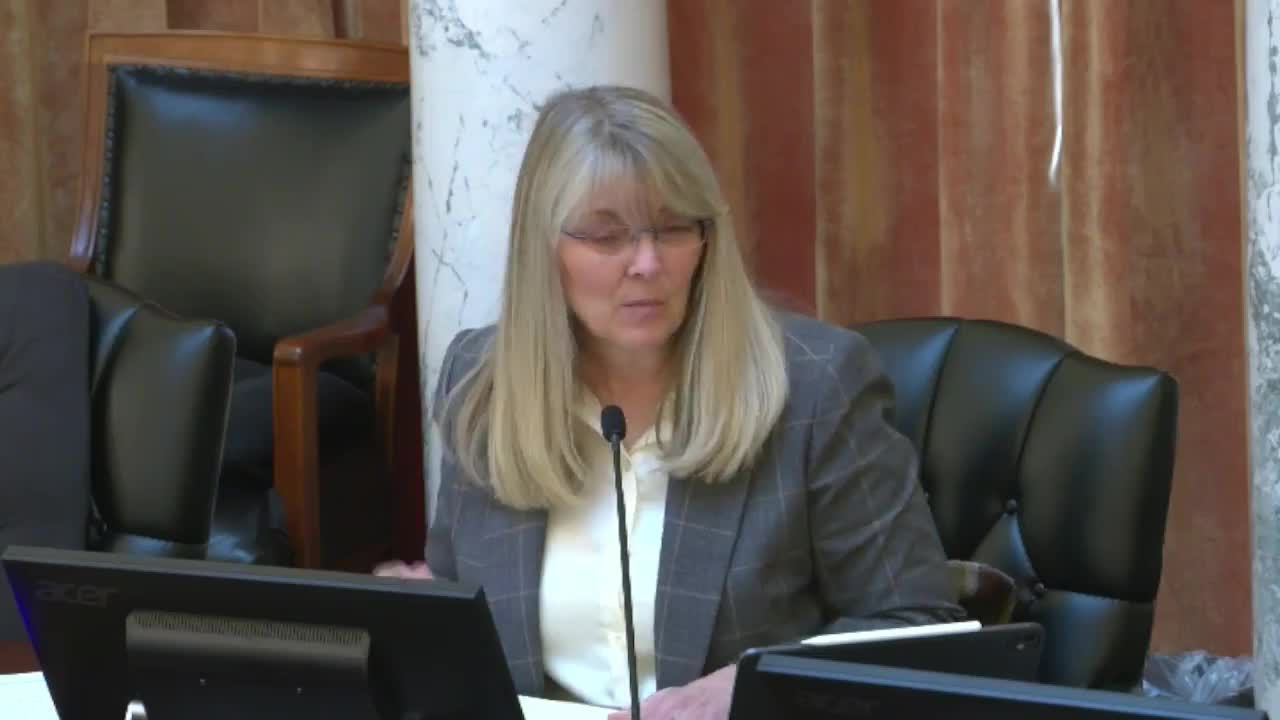
Representative Steve Miller introduced House Bill 169 and asked Jared Tietro, deputy division manager with budget and policy, to summarize the measure.
Tietro told the committee the bill amends Idaho Code 30-334-08 to require Educational Services for the Deaf and Blind to submit a budget as approved by its board and to receive appropriated funds on July 1 rather than a split 80/20 timing currently used.
"Basically what it says is... the director and their board will say this is exactly what was voted for. They will submit it," Tietro said, describing the bill as a clarity and consistency measure to align the program's budget process with other budgets.
Representative Miller said the bill is a simple change that makes the Deaf and Blind budget consistent with other agency budgets and asked for committee support.
Representative Price moved to approve the minutes from the committee's previous meeting at the start of the session; the motion was approved by voice vote before consideration of bills.
A motion to send House Bill 169 to the floor with a due-pass recommendation was made, seconded and carried by the committee. Representative Miller will carry the bill on the House floor.
Ending: The committee approved the bill for the floor with a due-pass recommendation and took no public testimony at the hearing.