Get Full Government Meeting Transcripts, Videos, & Alerts Forever!
Get email alerts on the Partner Integration topic
No spam. Unsubscribe anytime.
Commander: habitual exercises with allies underpin bomber operations in Indo-Pacific, Europe
Summary
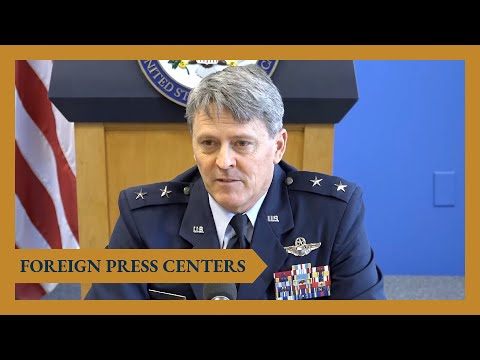
Major General Jason Armaghust told reporters that U.S. bomber deployments rely on habitual training with allies and partners across the Indo-Pacific, Europe and other theaters to sustain integrated deterrence and readiness.
Major General Jason Armaghust said habitual training and planning with partner and allied militaries is a central element of U.S. bomber operations and integrated deterrence, citing routine missions from Guam, joint flights over Stockholm for NATO accessions, and recent participation at events such as Aero India.
"We don't act in isolation. We act with partners and allies, and we integrate with other military forces," Armaghust said, adding that habitual interaction "drives us to learn from each other" and improves integration across the spectrum of conflict from competition through crisis and conflict.
Armaghust pointed to routine employment out of Guam in support of operations around the Philippine Islands and said about 60% of the command's activity last year was outside the continental U.S., primarily in Europe and the Indo-Pacific. He described missions that include allied aircraft joining bomber "on the wing" for photo or interoperability events and more complex joint planning for operations.
On cooperation with specific partners, Armaghust declined to comment on internal political decisions but said the military role is to plan and execute under the guidance of the theater combatant commander. He cited recent operations that included a CONUS-to-CONUS mission in support of Sweden and Finland's NATO accession, and participation at Aero India as examples of how bilateral and multilateral activities increase operational readiness.
Reporters asked about emerging multilateral groupings such as the Quad and AUKUS; Armaghust said those political questions and membership decisions are for the nations involved to decide, while U.S. forces will operate under combatant-commander guidance to partner and plan with nations chosen for exercises or missions.
He repeated that interoperability work is "very powerful" and that bomber employment benefits from regular joint operations with naval and other air forces, which he said strengthen habitual relationships and readiness.