Get Full Government Meeting Transcripts, Videos, & Alerts Forever!
Get email alerts on the Human Growth Development topic
No spam. Unsubscribe anytime.
Committee updates board on K–12 human growth and development review; next steps include district comparisons and student voice
Summary
The board received an update from the Human Growth and Development Committee, which reviewed current K–12 curriculum delivery, found instruction is taught in middle school through Family and Consumer Science (FACE), discussed language access and LGBTQ representation, and recommended further comparison with other districts and student-voice data.
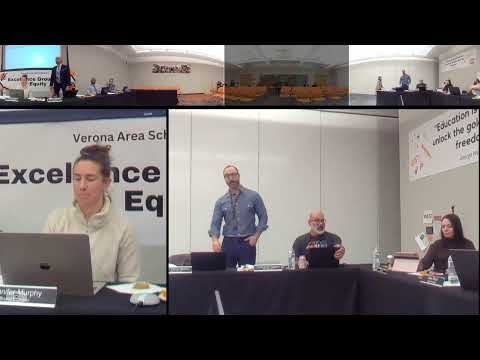
The Verona Area School District’s Human Growth and Development Committee briefed the board on its review of current K–12 curriculum and said it plans further research and student-input collection before making final recommendations.
Yaelica Sianos, the high school dean of students and a member of the committee, told the board that middle-school human growth and development is delivered through Family and Consumer Science (FACE) classes and that materials are differentiated for students’ literacy and needs. Sianos said the committee noted materials are available in Spanish, “but not necessarily delivered in Spanish to students,” and the committee wants to compare how other districts handle multilingual delivery and curriculum packaging.
Committee members discussed representation and how the curriculum addresses students who identify as LGBTQ. Sianos and board members emphasized the committee’s intent to center the district’s equity framework while evaluating curriculum content and delivery. The committee also discussed methods for gathering student voice in a way that protects student privacy and yields representative results.
The committee outlined next steps including: researching other districts’ curriculum models, collecting student feedback through protected processes, and continuing meetings with plans to report back in April and again through May if needed. Board members praised the committee for using the district’s equity and disciplinary-literacy lenses in its review and suggested additional external resources (for example, statewide groups with LGBTQ guidance) to inform the committee’s work.