Get Full Government Meeting Transcripts, Videos, & Alerts Forever!
Get email alerts on the Energy topic
No spam. Unsubscribe anytime.
Representatives approve bill raising fines for electric utilities, prohibit passing fines to customers
Summary
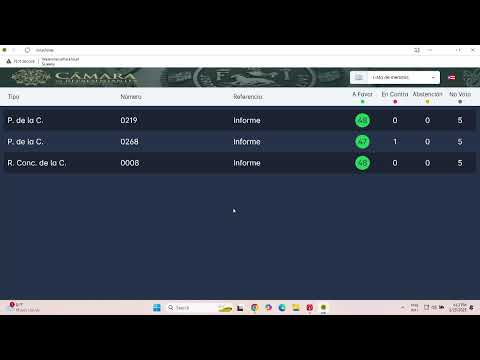
The House approved Proyecto de la Cámara 268 to raise administrative fines the Negociado de Energía may impose on electric companies to $10,000–$250,000 and to require fines be paid from companies' own funds, not passed to consumers; vote was 48–1.
San Juan — The House of Representatives on Feb. 25 approved Proyecto de la Cámara 268, a measure that raises the range of administrative fines the Negociado de Energía may impose on companies that operate Puerto Rico’s electric system and bars charging those fines to customers. The chamber approved the bill 48–1.
The bill, reported by the Comisión de Gobierno, increases penalties the regulator may impose to a minimum of $10,000 and a maximum of $250,000 and gives the agency clearer enforcement tools. Víctor Paredes, presidente de la Comisión de Gobierno, told the chamber the measure “busca dar herramientas… para que cualquier compañía que opere en Puerto Rico cumpla con las métricas, cumpla con el servicio y cumpla con mejorar el mismo.”
Why it matters: supporters said larger fines create stronger incentives for utilities to meet service standards. Opponents said fines alone will not fix underlying contractual or structural problems with the island’s power system.
Supporters’ case Víctor Paredes, presenting the committee report, said the bill restores and strengthens the regulator’s tools and that any fine collected must come from the company’s own funds. “Las multas deberán ser pagadas del fondo propio de la compañía… y no podrá ser cargada a la factura eléctrica de ningún comerciante, ningún residente, ni ningún industrial,” Paredes said during floor remarks.
Representative Furkett Cordero, who also spoke in favor, acknowledged the measure is only one step. “Tener la capacidad… de nada sirve si no existe la voluntad de fiscalizar y hacer responsables y exigir el cumplimiento de estas corporaciones,” Cordero said, urging follow-through on enforcement.
Opposition and reservations Representative Lizzy Burgos Muñiz opposed the bill, saying it posed a risk of shifting costs to consumers in practice and would not solve rates or service quality. “Mi conciencia no me permite favorecer el proyecto de la Cámara 268,” Burgos Muñiz said, arguing fines alone would not address energy-cost and service problems for households.
What the bill does - Raises administrative penalties the Negociado de Energía may impose to a $10,000–$250,000 range. - Explicitly states fines must be paid from the regulated entity’s own funds and not billed to end users. - Preserves the negotiated due-process and adjudicative steps the regulator must follow before fines become final.
Vote and next steps The House opened and closed the final electronic vote Feb. 25; the clerk reported the measure passed 48 in favor and 1 against. The vote record distributed at the close of the session listed the tally but did not record individual yea/nay names in the transcript excerpt. After approval by the chamber, the bill will follow the normal legislative routing for the governor’s consideration.
Context The debate occurred amid ongoing frustration with service quality in Puerto Rico’s power system and continued public calls from several lawmakers to change the island’s contract structure with private operators. Supporters framed the measure as an immediate enforcement tool; opponents said a broader contractual review is needed.
— Reporting includes committee presentation and floor debate recorded in the Feb. 25 House session.