Citizen Portal
Sign In

Ways and Means approves five tax-administration measures; heated debate over Treasury data access and pandemic UI fraud

2399020 · February 12, 2025

Loading...

AI-Generated Content: All content on this page was generated by AI to highlight key points from the meeting. For complete details and context, we recommend watching the full video. so we can fix them.

Summary

The House Ways and Means Committee on Feb. 11 advanced five bipartisan tax-administration bills aimed at reducing taxpayer burden and improving IRS notices, while lawmakers traded sharp partisan and cross‑aisle warnings about Treasury data access by outside contractors and the handling of pandemic unemployment‑insurance fraud.

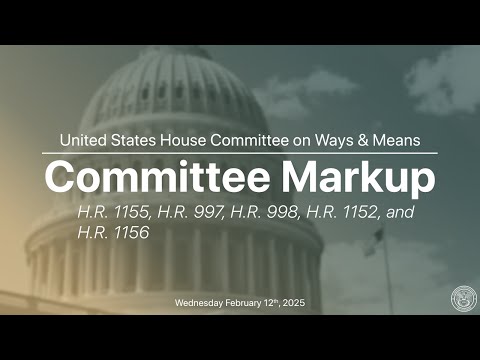
The House Ways and Means Committee voted to report five bipartisan tax‑administration bills to the House on Feb. 11, approving measures that would let taxpayers elect direct deposit for replacement refund checks, allow the National Taxpayer Advocate to hire independent counsel, require clearer IRS notices for math‑error adjustments, extend the mailbox rule to electronic filings and payments, and lengthen the statute of limitations for prosecuting pandemic unemployment‑insurance fraud.

The markup also featured extended, at times heated, debate over recent disclosures that private contractors and outside associates were given access to Treasury payment systems — a controversy witnesses and members said raises privacy, oversight and constitutional concerns. Committee members repeatedly urged each other to use the panel’s oversight powers to secure answers from Treasury and the Internal Revenue Service about who had access to taxpayer data and under what authorities.

Why it matters: The bills move more taxpayer‑facing fixes toward floor consideration, aiming to reduce processing delays and improve notice clarity at the IRS. At the same time, the committee’s lengthy disagreements over access to Treasury payment systems and the handling of pandemic UI fraud signaled that oversight of payment infrastructure and data privacy will be a continuing flashpoint in Congress and may shape any subsequent floor debate or amendments.

Most important votes and outcomes

- HR 1155, Recovery of Stolen Checks Act — advanced to the House as amended (committee vote recorded as 41 yes, 0 no). The measure would let taxpayers whose paper refund check was lost or stolen request that the replacement refund be paid by direct deposit.

- HR 997, National Taxpayer Advocate Enhancement Act of 2025 — advanced to the House as amended (committee vote recorded as 43 yes, 0 no). The bill clarifies that the National Taxpayer Advocate may appoint legal counsel who report directly to the Advocate.

- HR 998, Internal Revenue Service Math and Taxpayer Help Act — advanced to the House as amended (committee vote recorded as 43 yes, 0 no). The bill requires clearer, plain‑language math‑error notices and a pilot for registered/certified mail to ensure taxpayers receive critical notices and understand the 60‑day contest period.

- HR 1152, Electronic Filing and Payment Fairness Act — advanced to the House as amended (committee vote recorded as 41 yes, 0 no). The measure extends the mailbox rule to electronic filings and payments so submissions made on or before the due date will be treated as timely even if processed later.

- HR 1156, Pandemic Unemployment Fraud Enforcement Act — advanced to the House as amended (committee vote recorded as 43 yes, 0 no). The bill establishes a 10‑year statute of limitations for criminal prosecutions and civil enforcement related to CARES Act unemployment programs; the chairman’s amendment as reported also rescinded $5,000,000 in unobligated prior‑year balances (a point of contention during debate).

Oversight and privacy debate

A recurring capstone of the markup was a sustained debate over recent events in the Treasury Department and the so‑called “DOSE/DOGE” (Department of Government Efficiency) arrangements described by witnesses and members. Several Democrats pressed for hearings and for Treasury and DOJ officials — and for Elon Musk or his representatives in some comments — to appear before the committee to explain why outside contractors were given access to payment systems that process refunds, Social Security, veterans’ payments and other federal disbursements.

Representative J. Doggett (remarks at the hearing) summarized Democrats’ position: “The idea that this information might be released or relinquished to bad actors is something that should concern all of us,” and he urged the committee to use its oversight authority to get answers from the Treasury secretary and the IRS commissioner. Other Democrats noted reports that at least one contractor had been granted more than read‑only privileges in the Bureau of the Fiscal Service, and said that the recent series of inspector general dismissals and other personnel moves have weakened independent oversight.

Republican members who supported the bills said they welcomed the audit‑style reviews that have surfaced evidence of fraud and improper payments. Representative Smucker argued the discoveries show the need to root out fraud “so that every dollar goes where it should,” and defended the use of data analysis and outside technical assistance to detect longstanding problems in benefit rolls and payments.

What members asked for and what they agreed on

- Several Democrats asked for Treasury and IRS officials to appear before the committee to provide explanation and transparency about access privileges and safeguards.

- Numerous members from both parties said they supported the individual bills under markup, describing them as taxpayer‑friendly or long‑overdue technical fixes (e.g., settling replacement refunds via direct deposit; clearer IRS math‑error notices; applying the mailbox rule to electronic submissions).

- The Pandemic Unemployment Fraud Enforcement Act drew the sharpest procedural disagreement: Democrats raised objections to a majority‑side amendment that rescinded $5 million of previously appropriated, anti‑fraud funding at Labor (used by states for identity verification and anti‑fraud work) and urged negotiation on offsets before a floor vote.

Key details and figures mentioned in the hearing

- GAO estimate of pandemic UI fraud: committee members cited a Government Accountability Office examination that estimated fraud in pandemic UI programs could range broadly (committee speakers cited figures in public remarks of roughly $100 billion to $135 billion, with some references to higher estimates). Committee speakers also said roughly $5 billion has been recovered so far.

- Open cases and complaints: members cited roughly 157,000 open UI fraud hotline complaints and more than 1,600 active fraud investigations (figures referenced during member remarks in the markup). Members also noted about 1,400 convictions and more than $1 billion in restitution tied to prior investigations mentioned by witnesses.

- Timing: members noted that, without extension, several pandemic‑era UI prosecutions would become time‑barred in late March (members cited a specific March 27 deadline in committee remarks).

Quotable

- “Privacy is next to liberty in a democratic society,” Ranking Member (name recorded in the transcript) said while urging more oversight of Treasury access arrangements.

- “This is a straightforward and urgent — a common sense solution,” Representative M. Malaitakis said of the Recovery of Stolen Checks Act, which would allow direct deposit for replacement refund checks.

Next steps

All five measures were ordered favorably reported to the House. Committee staff were authorized to make technical and conforming changes and members were granted two additional days to file supplemental, additional, dissenting or minority views with the committee clerk. The oversight questions raised during the markup — in particular, who had access to Treasury payment systems, under what authorities and what protections exist for taxpayer data — are likely to prompt follow‑up oversight requests, letters and possibly hearings.

(For full roll‑call lists and verbatim statements cited at the markup, see the committee transcript and the evidence excerpts filed in the committee record.)