Get Full Government Meeting Transcripts, Videos, & Alerts Forever!
Powell: Fed will revisit supplemental leverage ratio to bolster Treasury market liquidity
Summary
House members and Federal Reserve Chair Jerome Powell agreed the supplemental leverage ratio (SLR) and its enhanced calibration have reduced banks' capacity to intermediate U.S. Treasury markets; Powell said the Fed expects to revisit the SLR and related rules to improve market functioning.
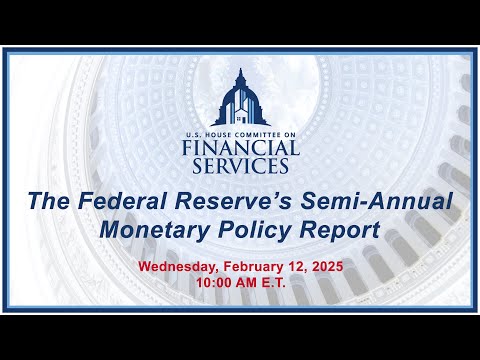
At the House Financial Services hearing, members warned that rising Treasury issuance and reduced intermediation capacity have weakened Treasury market liquidity, and they urged the Fed to revisit capital and leverage rules that discourage banks from holding and trading treasuries.
Powell acknowledged the imbalance: “The amount of treasuries has grown much…
Already have an account? Log in
Subscribe to keep reading
Unlock the rest of this article — and every article on Citizen Portal.
- Unlimited articles
- AI-powered breakdowns of topics, speakers, decisions, and budgets
- Instant alerts when your location has a new meeting
- Follow topics and more locations
- 1,000 AI Insights / month, plus AI Chat