Get Full Government Meeting Transcripts, Videos, & Alerts Forever!
Get email alerts on the Statute Of Repose topic
No spam. Unsubscribe anytime.
Senate committee hears sharp debate over narrowing construction‑defect exception to 8‑year statute of repose
Summary
At a Senate Judiciary Committee hearing, witnesses and committee members debated a bill that would narrow the circumstances in which a building‑code violation can overcome South Carolina’s eight‑year statute of repose for construction‑defect claims.
At a Senate Judiciary Committee hearing, witnesses and committee members debated a bill that would narrow the circumstances in which a violation of a building code can be used to overcome South Carolina’s eight‑year statute of repose for construction‑defect claims.
The bill would limit the current exception so code violations would be admissible to show fraud, gross negligence or recklessness only if the violation “resulted in physical harm to a person, or significant damage to the performance of a building,” witnesses said. No formal vote was taken; the committee set a schedule for amendments and adjourned.
Why it matters: Builders and subcontractors say an absolute rule is needed so small, technical deviations from code do not produce open‑ended liability years later. Homeowners, property managers and condominium association advocates say the proposed language would prevent recovery for latent structural and water‑intrusion defects that often appear after eight years, shifting repair costs onto owners and triggering assessments that can harm lending and resale.
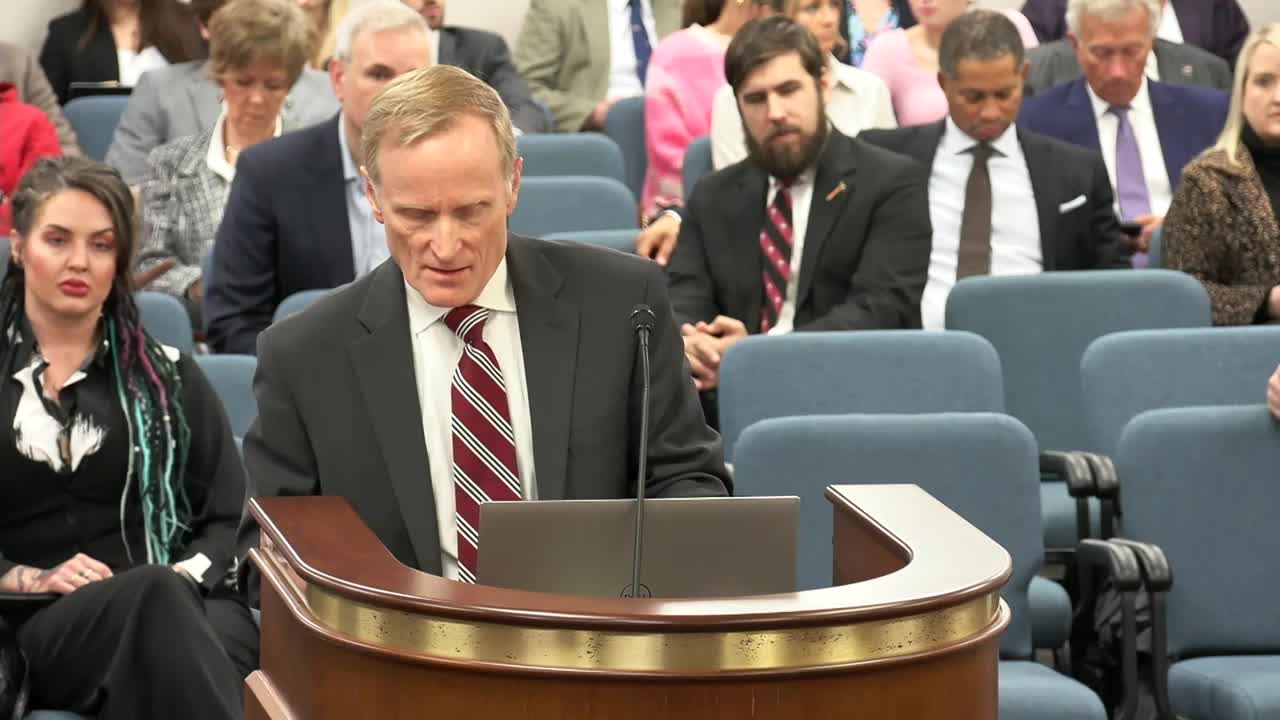
Construction attorney Brian Barnes, of Rogers Townsend, urged the committee to adopt the narrower test. “A workable statute of repose is vitally important to businesses who build things,” Barnes said. He described the proposed language as a “clarification” that would preserve an exception for fraud, recklessness or gross negligence but would bar suits based solely on technical code deviations that have not affected a building’s performance. Barnes gave an example from Charleston: he said a builder’s 372 houses used about 852,000 shingles and that at most 300 shingles had blown off over 17 years — about 0.00035 of the total — a rate he said did not show buildings had failed to perform.
Representing homeowners and community associations, attorney Sean Cranford of the Community Associations Institute said the change in section 6 of the bill would “remove the baseline obligations of the building code,” lower industry standards and leave owners to bear repair costs. “Homeowners will bear the burden of repair,” Cranford said, warning of special assessments, limits on lending under Fannie Mae and Freddie Mac guidelines, and life‑safety risks in condominium and multifamily buildings where defects may be latent.
Former construction‑defect litigator John Hayes told the panel, “There’s nothing immaterial or trivial about a violation of the building code,” and argued that code violations—especially those that are hidden behind walls or under siding—should remain a basis to seek repairs even after eight years. Hayes and other witnesses noted that building officials typically inspect for immediate life‑safety items but do not remain on site for long enough to detect every latent installation error.
Committee members pressed witnesses on examples and definitions. The senator identified in the transcript as the “Senator from Berkeley” asked whether a misplaced combination smoke‑and‑carbon monoxide detector would be barred from suit under the proposed text; Barnes replied that if a personal injury occurred, the exception would still apply but said whether a detector placement was “material” would likely be a jury question. Several senators and witnesses urged clearer statutory definitions of “significant damage” and “material” and raised the idea of lengthening the repose period to 10–15 years instead of narrowing the exception.
Witnesses cited comparisons to other states: Barnes and others noted that related rules vary (examples cited in testimony included North Carolina at six years, Virginia five, Georgia eight, Alabama seven) and that the proposed language drew from a Florida limitation, according to Barnes. Cranford told the committee CAI’s membership numbers — he said about 1.4 million homeowners live in HOAs and COAs in South Carolina, with about 7,500 associations — and argued the volume of latent defects in condominiums could produce widespread special assessments and lending problems.
Next steps: Committee leaders asked members to prepare and submit amendments by next Thursday and said they planned additional meetings with the Judiciary chair to try to move the bill out of committee that week. The panel recessed after an unrecorded, seconded motion to adjourn.
No vote on the bill was recorded at the session.
Sources and direct testimony cited in this article are from the hearing record: Brian Barnes (construction attorney, Rogers Townsend), Sean Cranford (attorney, Community Associations Institute), and John Hayes (construction‑defect attorney), and multiple committee members identified in the transcript as senators from Berkeley, Charleston, Richland, Edgefield and Greenville.
Two closing notes: Barnes quoted a former chief justice he said he was paraphrasing: “what doesn’t make any difference shouldn’t matter.” Cranford said the proposed text would create a “hard eight‑year stop” that could leave owners without recourse for latent problems; Hayes said existing statutes such as the South Carolina Notice and Opportunity to Cure Act give contractors an opportunity to fix defects but do not obviate owners’ need to sue when repairs are not made.
(Committee materials and the hearing transcript provided the factual basis for this report.)