Get Full Government Meeting Transcripts, Videos, & Alerts Forever!
Get email alerts on the Teacher Discipline topic
No spam. Unsubscribe anytime.
Teachers’ licensing agency seeks power to impose civil penalties and recover hearing costs; educators raise due‑process concerns
Summary
Senate Bill 804 drew extended public testimony on Feb. 25 as the Teacher Standards and Practices Commission sought authority to impose civil penalties and recover disciplinary costs.
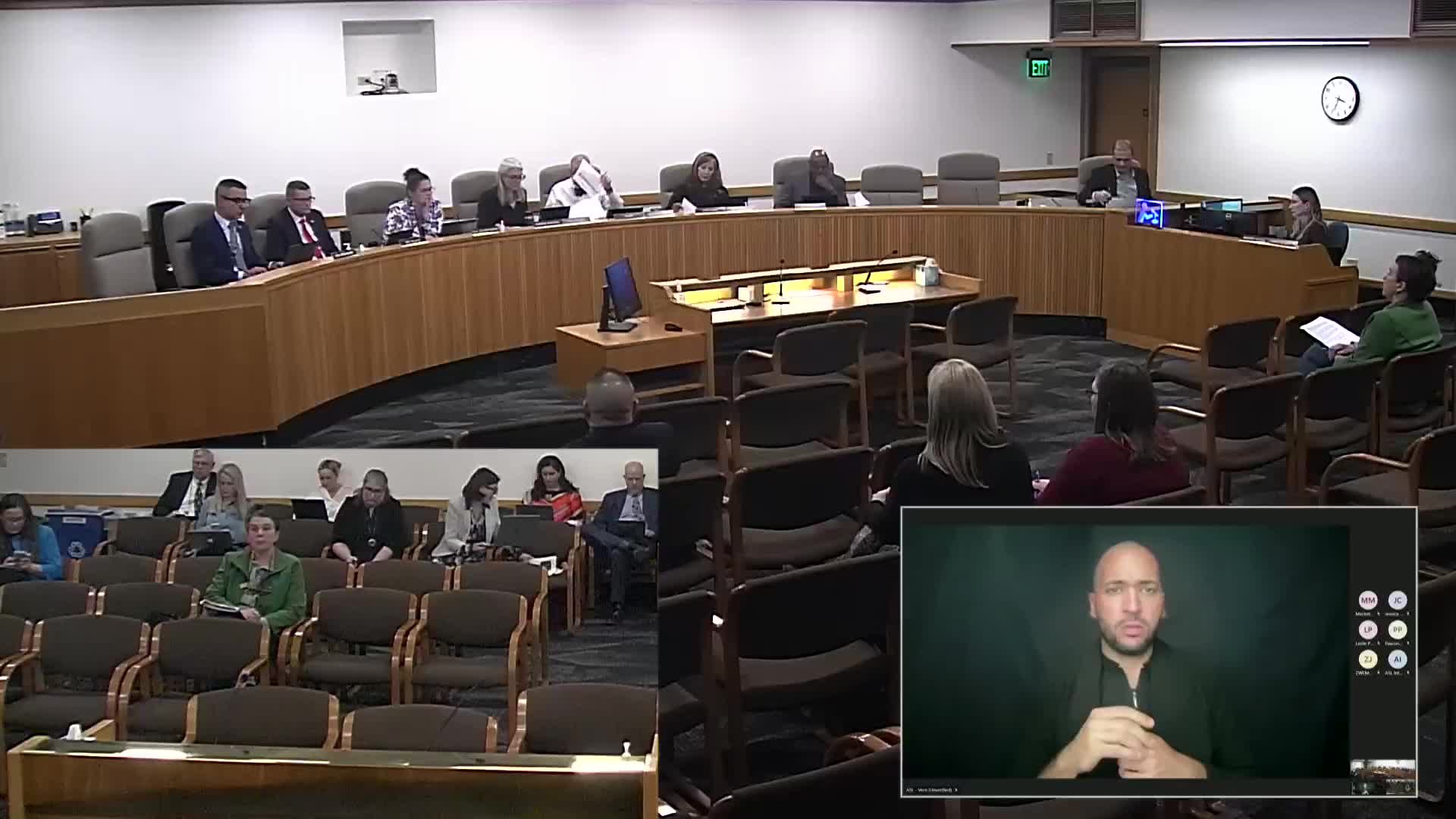
Senate Bill 804 drew extended public testimony and questions Feb. 25 in the Senate Committee on Judiciary as representatives of the Teacher Standards and Practices Commission (TSPC), school administrators and substitute‑teacher advocates discussed options to fund investigative work and to sanction educators found to have engaged in misconduct.
Melissa Gough, interim executive director of TSPC, said the agency seeks authority to impose civil penalties up to $1,000 per violation and to order a disciplined person to pay costs associated with disciplinary proceedings. Gough said TSPC’s investigations and contested‑case costs are funded by educator licensing fees and that the agency expects Department of Justice legal costs to rise substantially in the next biennium. “Placing a greater burden on those who engage in misconduct will reduce the need for raising fees for Oregon educators who haven't engaged in these behaviors,” Gough said. The agency reported roughly 550 active cases and five investigators in its investigations unit at the time of testimony.
Christina Edgar, director of the commission’s professional practices/investigations unit, told the panel that average costs for cases that go all the way to hearing are “about $30,000 to $60,000,” including DOJ and administrative hearings costs. TSPC witnesses and allied school officials said civil penalties and the ability to recover hearing costs could help cover those expenses, preserve current investigator staffing and avoid raising licensing fees across the educator population.
School leaders and TSPC committee chairs emphasized the agency’s goal of deterring repeat misconduct—particularly grooming, boundary violations and other behaviors that can precede child abuse—and to retain investigative capacity to resolve cases in a timely way.
Opponents and substitute‑teacher advocates criticized the bill on due‑process and equity grounds. Debbie Ferry and Leslie Polson, leaders with the Oregon Substitute Teachers Association, said substitute teachers face unique financial hardship when complaints are elevated to TSPC: substitutes often lose income immediately when a TSPC reporting letter removes them from the classroom, they lack paid administrative leave and often cannot afford legal defense. Polson said the effect is “financially crippling” and argued the bill would disproportionately affect substitutes and educators without union representation.
Senator McLean and other committee members raised specific concerns about whether an order to pay commission costs could be triggered when an educator appeals and loses, and whether the bill as drafted clearly ties cost recovery only to cases where the commission’s findings are upheld. McLean said imposing large hearing costs on an educator creates a strong disincentive to appeal and could push accused educators to accept findings without full adversarial fact‑finding. TSPC witnesses said the commission’s practice is to seek cost awards only when an administrative law judge so orders and that the agency works to resolve cases before hearing, pointing out the commission had roughly four contested‑case hearings in the most recent year.
The committee took testimony but did not vote on SB 804 at the Feb. 25 meeting. Several senators asked TSPC to provide clarifying language and additional information on when costs would be assessed and how funds would be handled.