Get Full Government Meeting Transcripts, Videos, & Alerts Forever!
Get email alerts on the Newborn Screening topic
No spam. Unsubscribe anytime.
Lawmakers hear parents and clinicians pressing for expanded newborn CMV screening and broader newborn-screening updates
Summary
The House committee heard testimony for three related measures: HB 2685 to expand congenital CMV education and targeted screening, HB 3192 to add rare genetic conditions like Duchenne to the newborn panel and HB 2741 to codify follow-up and family supports in the newborn blood-spot program.
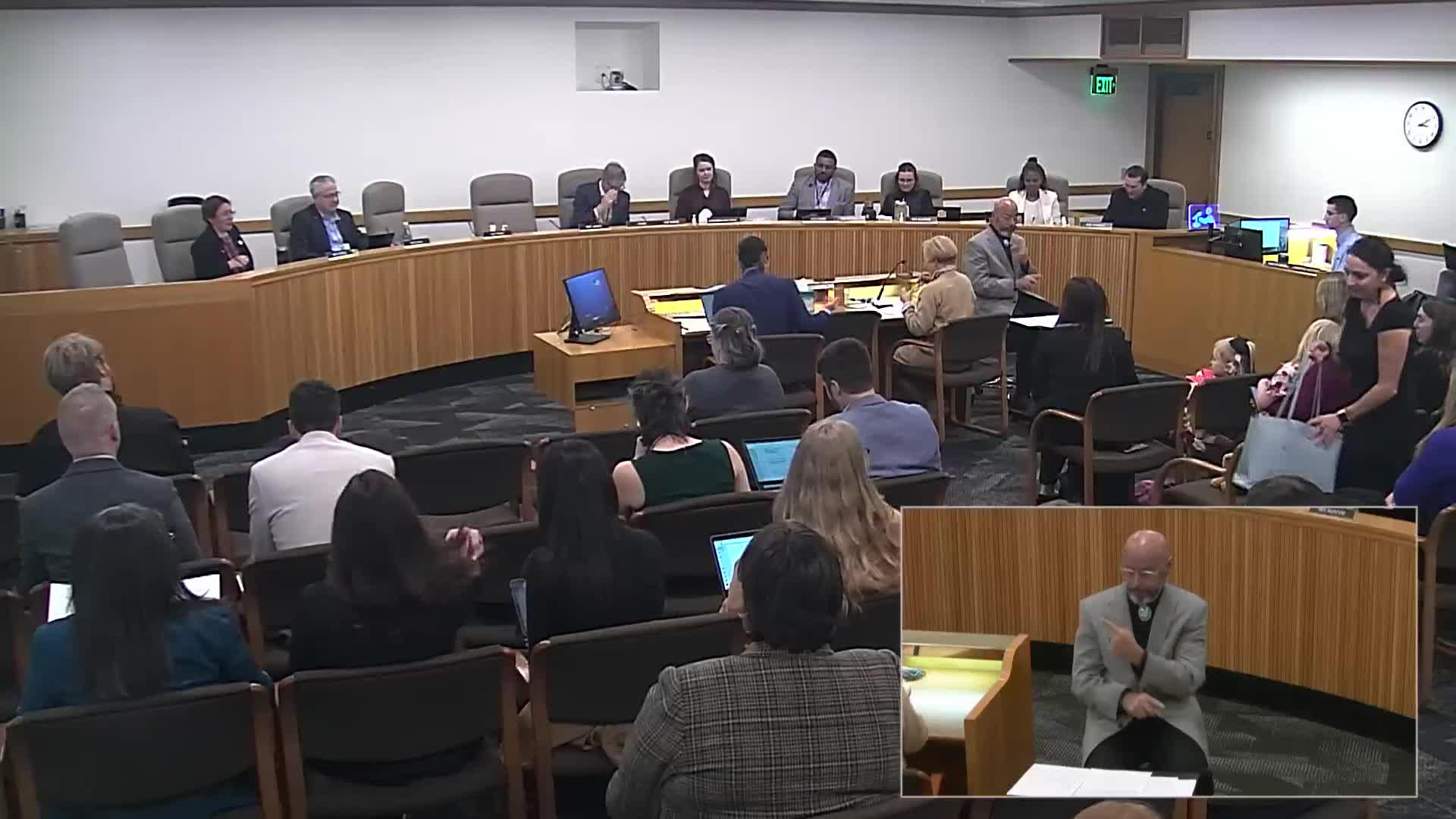
Lawmakers in the House Behavioral Health and Health Care Committee heard extended testimony Feb. 20, 2025, on a cluster of bills to expand newborn screening, standardize follow-up and add education about congenital cytomegalovirus (CMV).
Representative Hai Pham and Representative Bobby Levy led testimony in support of HB 2685, which would direct the Oregon Health Authority to establish a standardized, low-cost targeted CMV screening protocol for newborns showing signs within 14 days of birth and to distribute prenatal CMV education to expectant parents and childcare settings. Parents and pediatric clinicians described cases in which diagnosis was delayed, antiviral therapy windows were missed and families lacked early referrals. “If the baby shows symptoms of CMV, missed the window of testing within the 20 first days of birth…some babies can have or develop hearing loss later on in life,” Representative Pham said during his presentation. Parent witnesses gave detailed accounts of delayed diagnosis and the subsequent need for ongoing therapies.
Committee members also heard HB 3192, a bill to expand the statutory newborn screening panel so treatable rare conditions—such as Duchenne muscular dystrophy—can be identified at birth. Representative Susan McLean and several families, including parents of children with Duchenne, described the difference early diagnosis can make and urged funding to allow the state lab to add new tests as federal recommendations evolve. “For children living with Duchenne, time is muscle,” said Mary Walker, whose child was diagnosed early.
HB 2741, a separate measure, would codify the newborn blood-spot screening program at the Oregon Health Authority, authorize education and follow-up services for families whose infants test positive, require coordinated care organizations to cover newborn screening costs and protect confidential screening data. Patrice Held, newborn blood-spot screening program manager at the Oregon State Public Health Laboratory, told the committee the bill would maintain an essential public health service and help identify nearly 100 babies a year with treatable conditions.
Witnesses repeatedly framed the three bills as complementary: HB 2685 focuses on CMV awareness and targeted early testing; HB 3192 seeks capacity and funding to add additional disorders to the newborn panel; HB 2741 codifies follow-up and family support so that identified infants are connected to care. Several advocates urged the panel to consider fiscal impacts and implementation timing; representatives indicated some fiscal analyses were pending.