Get Full Government Meeting Transcripts, Videos, & Alerts Forever!
Get email alerts on the Cervical Cancer Screening Coverage topic
No spam. Unsubscribe anytime.
Committee hears bill to eliminate out‑of‑pocket costs for follow‑up cervical diagnostic tests
Summary
Senate Bill 451 would prohibit many commercial insurers from charging deductibles or co‑payments for medically necessary cervical cancer diagnostic follow‑ups after an abnormal screening. Physicians, clinician organizations and cancer advocates testified in support, describing the measure as a way to reduce delays and disparities in care.
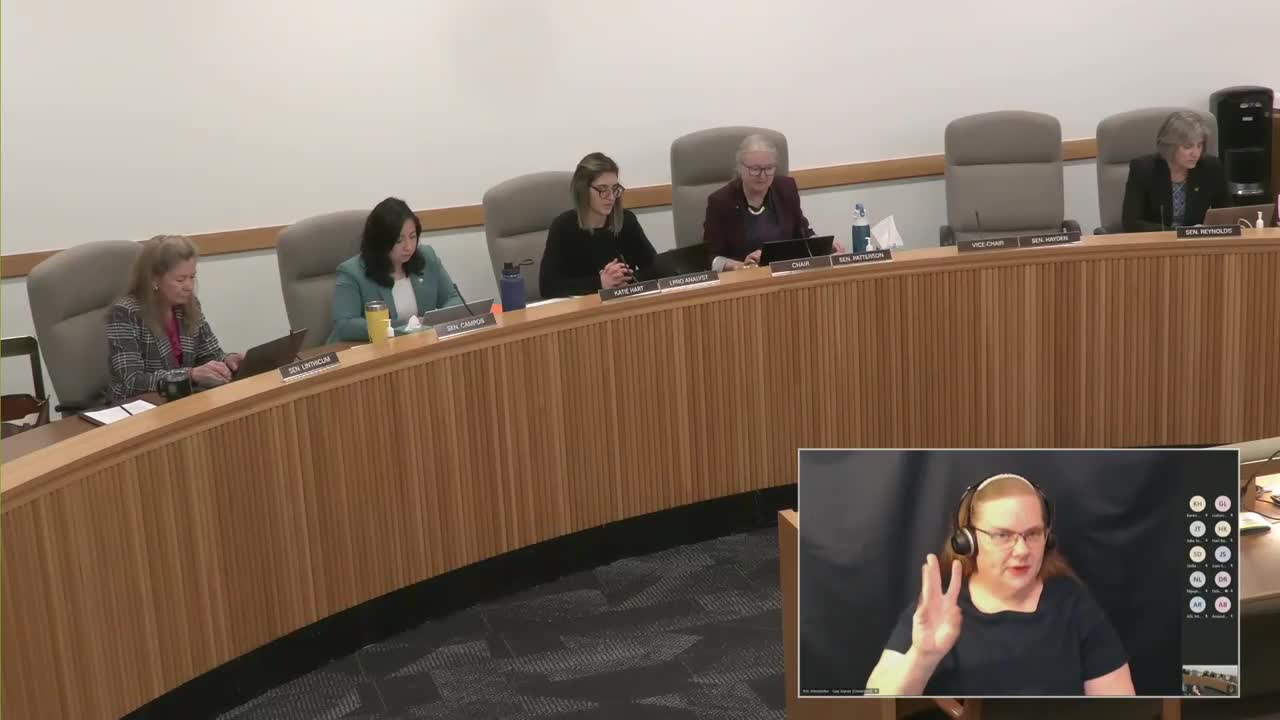
Senate Committee on Health Care opened a public hearing on Senate Bill 451 on Feb. 25, 2025. The bill would prohibit certain health insurance carriers from imposing deductibles, coinsurance, co‑payments or other out‑of‑pocket expenses for medically necessary cervical cancer screenings and follow‑up diagnostic examinations when abnormalities are detected on initial screening.
Physicians and advocacy groups told the committee the change would reduce financial barriers that sometimes prevent timely diagnostic evaluation after an abnormal Pap test. Dr. Stella Dantes, a full‑time obstetrician‑gynecologist and national president of the American College of Obstetricians and Gynecologists, said early diagnostic testing can allow less invasive treatment and reduce morbidity and mortality: "Early diagnosis ... would not only benefit all women, but be especially meaningful to our most marginalized patients," she said.
Dr. Julia Tassett, a board‑certified obstetrician‑gynecologist representing the Oregon section of ACOG, said follow‑up diagnostic tests and associated pathology fees are variably covered by commercial insurers and that out‑of‑pocket costs can delay care. Carrie Hampton, grassroots manager for the American Cancer Society Cancer Action Network, described a volunteer patient story in which delayed follow‑up ultimately led to a stage‑3 diagnosis and urged passage: "Without resolution, following an abnormal screening test, the promise of cancer screening cannot be realized."
The bill’s -1 amendment refines the definition of covered cervical cancer screening to services recommended by the U.S. Preventive Services Task Force or HRSA guidelines and exempts certain health savings account–qualified plans. Witnesses, including insurance representatives who worked on the amendments with clinical groups, said the amendment clarifies that required coverage without cost‑share applies to diagnostic evaluation and not to subsequent treatment services.
Several specialty organizations and health systems were listed among supporters in the hearing: the American College of Obstetricians and Gynecologists, the American Cancer Society Cancer Action Network, the Oregon Medical Association, the Oregon Nurses Association and Oregon Health & Science University. No formal opposition appeared on the hearing record; supporters said insurers engaged in amendment negotiations.
The committee closed the public hearing without taking a committee vote and referred questions about fiscal implications to the Oregon Health Authority and committee staff for future consideration.