Get Full Government Meeting Transcripts, Videos, & Alerts Forever!
Get email alerts on the Utility Rates topic
No spam. Unsubscribe anytime.
Oregon bill would force utilities, PUC to weigh affordability and pause winter rate hikes
Summary
House Bill 3,179 would require the Public Utility Commission to analyze and publish the economic impact of major utility rate requests and restrict residential increases during winter months.
House Bill 3,179 would require the Oregon Public Utility Commission to analyze and publish the expected economic impact on ratepayers when a utility’s proposed rate change would raise revenue by a material threshold and would add transparency and timing limits to how and when residential rates take effect.
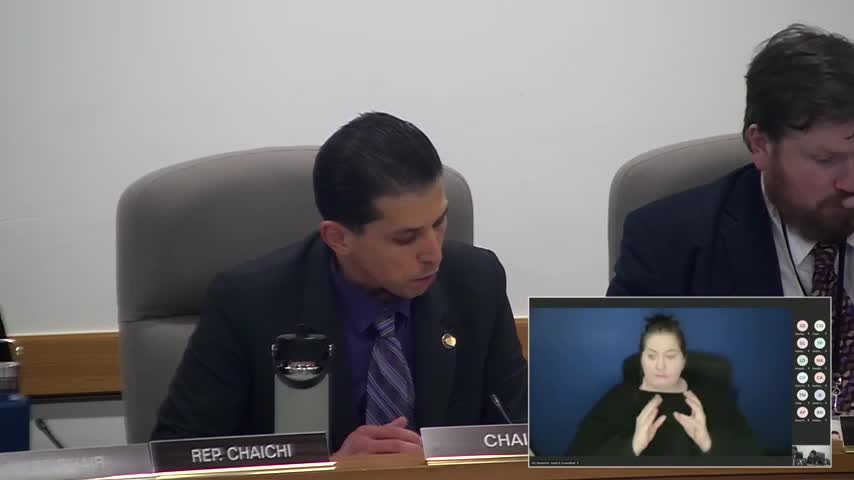
The proposal drew testimony from consumer advocates, environmental-justice interveners, local governments, labor and utilities during a Feb. 25 public hearing of the House Committee on Commerce and Consumer Protection. Supporters said the bill would center affordability; opponents said the changes could raise borrowing costs and harm investments and jobs.
Supporters said the bill responds to a rapid run-up in household energy costs and gaps in the current rate-making process. Tanya Morrow, a public-interest attorney from Southern Oregon, urged adoption of the bill and its -1 amendment and quoted the existing statutory rate-making directive, saying regulators must "to protect such customers and the public generally from unjust, unreasonable extractions and practices" and "to obtain adequate service at fair and reasonable rates." Morrow told the committee she has represented environmental-justice groups in PUC proceedings and that current practice omits affordability as an explicit component of revenue-setting.
Angela Donnelly of Oregon Consumer Justice told the committee: "Portland General Electric's most recent rate hikes helped drive its 2024 profits to a record $313,000,000," and added that high disconnection rates amid rising bills show limits of existing assistance programs. Donnelly said the bill’s measures — including a pause on winter increases, a waiting period between large residential hikes and clearer bill-level transparency — are necessary to protect consumers during extremes of weather.
Several witnesses described specific provisions they support. Marisol de la Torre of Oregon Just Transition Alliance said the draft would direct the PUC to consider the overall economic impact on ratepayers for increases that raise a utility’s revenue by 2.5% or more, require a cumulative-impact analysis of prior hikes, and instruct the commission to consider an 18-month gap between major residential increases.
Utilities and a union representative warned of unintended consequences. Howard Bell, executive officer for OPIU Local 11, representing Northwest Natural employees, said the bill is "an attack on the hearts of working class people" and argued limits on cost recovery could reduce wages or push projects out of state. Connie Aschenbrenner, rate design manager for Idaho Power, testified that measures that could reduce a utility’s ability to recover prudently incurred costs or to earn a reasonable return could raise borrowing costs and ultimately increase customer rates over time; she described investments tied to wildfire mitigation and reliability as capital- and debt-intensive.
Sean Gillians, representing Avista Utilities, urged separating natural gas from electric rules or an alternative path for gas providers, saying gas utilities face a different regulatory future and that some recent increases for his company were modest compared with others; he said, "we are not the problem here." Gillians also warned that constraints on cost recovery could raise utilities’ borrowing costs and therefore increase rates in the long run.
Supporters emphasized practical tools in the bill beyond timing limits. Tanya Morrow and others cited a securitization mechanism in the proposal and a requirement that utilities and the PUC publish clearer cost and revenue data to make rate impacts visible to the public and interveners.
Committee members asked proponents and opponents about trade-offs between long-term infrastructure costs, climate-driven investments and short-term affordability. Witnesses acknowledged the mix of drivers for recent rate growth — policy choices, utility spending decisions and guaranteed investor returns — and differed on which factors the PUC should weigh and how.
The committee closed the public hearing after panels from consumer-advocacy groups, local governments, labor and several utilities. No formal action or vote on the measure was recorded in the hearing transcript.
Ending: The bill remains at the hearing stage following testimony; sponsors and stakeholders indicated they expect further amendment and negotiation before any committee work session.