Get Full Government Meeting Transcripts, Videos, & Alerts Forever!
Get email alerts on the Boards Commissions topic
No spam. Unsubscribe anytime.
City council approves consolidation of Greenbelt and tree boards into Parks Commission after public concerns
Summary
The Norman City Council voted to reorganize several advisory bodies, increasing some board sizes and folding the Greenbelt and Tree boards into the Parks and Recreation Commission. Public speakers urged clearer transition language and inclusion of existing commissioners.
The Norman City Council on Feb. 25 adopted an ordinance that reorganizes several advisory boards and commissions, including adding duties to the Parks and Recreation Commission and repealing the separate Greenbelt and Tree boards. The ordinance passed on final reading by a 6-2 vote.
City staff said the changes are intended to streamline advisory functions, reduce duplication among commissions and align responsibilities — including tree protection and greenbelt/greenway oversight — under a single Parks and Recreation Commission that will have nine members. The ordinance also increases membership for the Board of Adjustment and the Norman Election Commission from five to seven, shortens terms for the Board of Appeals from four years to three, and raises the concurrence requirement for the Board of Adjustment from three to four members.
Planning Director Jane Hudson and Jason Olson, director of Parks and Recreation, told council the intent is not to eliminate greenway or tree protections but to consolidate oversight and ensure the city retains Tree City USA responsibilities. Olson said responsibilities such as trail planning and parkland acceptance will move under Parks and Recreation, which could help align maintenance planning and budget timing with development activity.
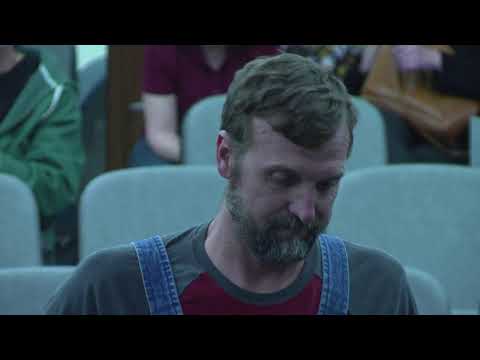
Several current and former Greenbelt commissioners urged the council to slow the change or clarify transition steps. Marguerite Larson, who said she serves on the Greenbelt Commission, told council the group had not been adequately informed and asked for a clearer plan for moving members and responsibilities to the Parks Commission. Other speakers asked that duties and the commission’s role be explicitly carried forward in ordinance text rather than implied by repeal language.
Councilmembers who voted in favor said the city needs to reduce overlapping review and streamline staff time and public participation. Supporters noted vacancies on some boards and said combining commissions could increase participation in a single, larger body. Opponents expressed concern about losing a dedicated public‑facing forum for trail and greenbelt review and urged that current commission members be given priority for new seats and that the ordinance explicitly preserve the greenbelt program’s functions.
The ordinance passed on second and final readings; the final vote on adoption was 6–2, with Councilmembers Montoya and Nash recorded as voting against the final passage. Councilmembers said staff will manage appointments to the reconstituted Parks Commission and that the change is intended to clarify responsibilities that today are split among multiple advisory groups.
Why it matters: the reorganization affects how the city reviews parkland, trails and tree policies and where residents raise concerns about greenway and tree protection. Residents and current commission members asked for clearer transition language and assurance that functions of the repealed commissions will continue under the Parks Commission.