Get Full Government Meeting Transcripts, Videos, & Alerts Forever!
Get email alerts on the Zoning Code topic
No spam. Unsubscribe anytime.
Elyria staff unveil draft zoning rewrite that would cut districts, loosen some parking rules
Summary
City staff presented a draft rewrite of Elyria's zoning code that would reduce 18 districts to eight, add modern uses (breweries, short-term rentals, solar), and remove some parking minimums; the draft remains under review and will go to planning commission and city council later this year.
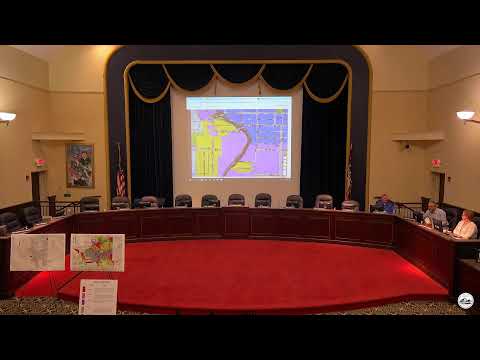
City of Elyria planning staff on Monday presented a draft rewrite of the city's zoning code that would reduce the number of zoning districts from 18 to about eight and explicitly add modern uses such as microbreweries, short-term rentals and principal solar and wind systems.
Chris Schoenig, Elyria city planner, told attendees the draft is preliminary: "This draft is in progress ... No final decisions have been made, of course," and staff is seeking public feedback before forwarding the document to the planning commission and city council. Staff said the rewrite stems from the city's 2024 comprehensive plan and aims to modernize a code last updated in 1998.
Why it matters: The rewrite would change how parcels are classified on the map and what uses are allowed by right in each district, reducing the need for individual rezoning requests and, officials said, making it easier for some businesses and developers to locate in Elyria. Dawn Calvert, assistant safety-service director with a focus on economic development, said the city wants to be "more user friendly" and that by broadening district definitions "we're hoping to make it more friendly from the zoning side of things," which she said could reduce the number of projects that must go to planning commission and multiple council readings.
Key proposals and limits - District consolidation: Staff proposes cutting roughly 18 existing districts to eight simplified categories (Residential 1, Residential 2, Downtown, Corridor, Commercial, Industrial, Parks & Open Space, and one other). Schoenig said the goal is to allow more compatible uses without forcing frequent rezoning. - New uses: The draft adds uses not listed in the 1998 code, including microbreweries, e-sports centers, and short-term rentals. Schoenig said the city is considering allowing short-term rentals within residential districts but that the draft on that point is not final. - Parking: The draft would eliminate or reduce parking minimums in several proposed districts; Schoenig said staff is working with consultants to identify which districts would lose minimums and which would retain them. He told the meeting that the city is "looking at maintaining parking minimums in our commercial as well as industrial districts" while potentially removing minimums in downtown and other walkable districts. - Nonconforming uses and structures: Schoenig explained that existing nonconforming uses generally would be allowed to continue if they remain in operation; if a use ceases for more than six months it could lose nonconforming status. He said reconstruction in the same footprint would be allowed for nonconforming structures but enlarging a building could remove the nonconforming allowance.
Timeline and review process Schoenig said staff expects a public meeting in April, a planning commission hearing in May and possible city council consideration this summer with a target adoption in September. He emphasized the draft will be revised after public and consultant review and that property owners could still petition for rezoning or seek variances under the new code.
Public questions and staff responses Residents raised concerns about downtown parking, potential drive-through restaurants in corridor areas next to homes, pedestrian safety on arterial streets and the status of large properties such as the mall. A resident asked whether corridor zoning would allow a fast-food drive-through adjacent to homes; Schoenig said he would check the draft language and follow up directly. On a question about the mall site, Dawn Calvert said the port authority owns the property and is negotiating with a purchaser; she said the intent is for the site to be redeveloped as a business park with a mix of light industrial and commercial uses to spur jobs and daytime activity.
On pedestrian safety, residents cited South Abbey (near Chestnut) and asked about crosswalks and sidewalks in corridor areas; staff acknowledged those concerns and said the draft map and text will be revised based on neighborhood input. Daryl Farkas, the city's chief building official, said the draft will generally treat vacant parcels as buildable lots of record but that lot size and footprint limits will affect what can be built.
What the draft will not do Schoenig stressed the rewrite "will not impact most of you" in the sense that most single-family homes will remain residential and that existing uses will be grandfathered so long as they do not cease operation for the specified period.
Next steps Staff asked meeting attendees to submit written comments and provided business cards and maps at the meeting; staff said they will post an updated draft online and notify attendees by email when the next public meeting and revised draft are available.
Ending note: Officials framed the effort as part of a broader push to attract investment and provide more housing and walkable options while balancing neighborhood character; staff repeatedly invited residents to point out map errors and to suggest locations where proposed district labels did not match local conditions.